10 Flower Garden Ideas Backyard Sanctuaries Need
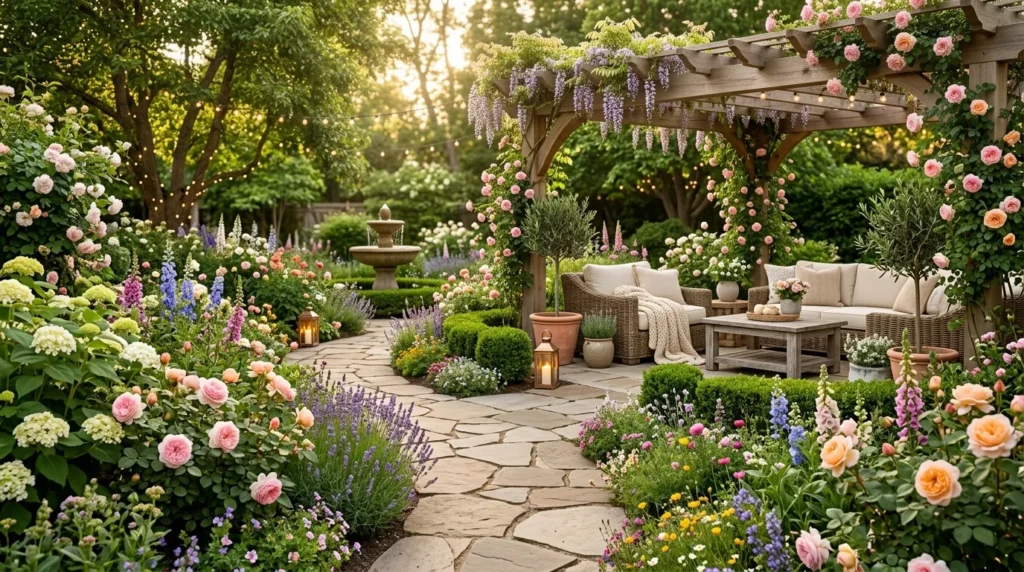
Stepping out into your outdoor space should immediately transport you to a peaceful, sensory-rich escape, yet many homeowners find that their lawn feels completely flat, uninspiring, or difficult to manage. While we spend weeks curating our indoor living rooms, the backyard often gets neglected, left as a patch of standard green grass that lacks personality, movement, and color. If you are tired of looking out your window at a plain, boring landscape that doesn’t bring you joy, it is time to embrace the transformative power of a dedicated backyard blooms layout. Finding the right balance between low-maintenance plantings and a continuous, breathtaking show of seasonal color can feel overwhelming, especially with unpredictable weather and soil conditions. However, creating a personalized floral sanctuary is one of the most rewarding home improvement projects you can start. In my experience, focusing on organic layers, diverse textures, and pathways is the fastest way to turn an empty lawn into a living work of art. This comprehensive guide breaks down 10 stunning flower garden ideas backyard spaces need to feel completely custom, visually inspiring, and incredibly welcoming.
Table of Contents
- Organic Layered Borders Discover how to layer heights from short groundcovers to tall statement blooms to build a lush, deep backdrop.
- Cozy Gravel Pathways Meander through your blooms with informal, rustic gravel walks that invite slow weekend strolls and easy maintenance.
- Curved English Borders Soften harsh fence lines with romantic, sweeping curves packed with cottage-style classics and dense, natural textures.
- Vertical Trellis Climbers Draw the eye upward and maximize compact spaces using climbing roses and fragrant vines on elegant supports.
- Symmetrical Raised Beds Bring clean structure, excellent soil drainage, and pain-free harvesting to your backyard with beautiful wooden frames.
- Whispering Water Accents Introduce ultimate peace to your landscape by nesting a simple stone birdbath or fountain among your favorite petals.
- Pollinator Friendly Clusters Attract colorful butterflies, hummingbirds, and honeybees with a purposeful mix of native wildflowers and nectar-rich blooms.
- Romantic Arched Gateways Create a breathtaking sense of entry and mystery by framing your garden path with a flower-covered pergola or arbor.
- Textured Stone Edging Incorporate natural, rugged materials to cleanly separate your lush flower beds from the green grass of your lawn.
- Container Cluster Corners Transform tight patios, rental yards, or empty corners using beautifully styled groupings of terracotta and ceramic pots.
1. Organic Layered Borders
Quick Benefits
- Creates a rich, deep three-dimensional landscape effect
- Maximizes the visual impact of every plant variety
- Disguises unsightly bare soil and leggy plant stems
- Ensures continuous color and visual interest all season
- Easy to scale in both large and small backyards
Why It Works
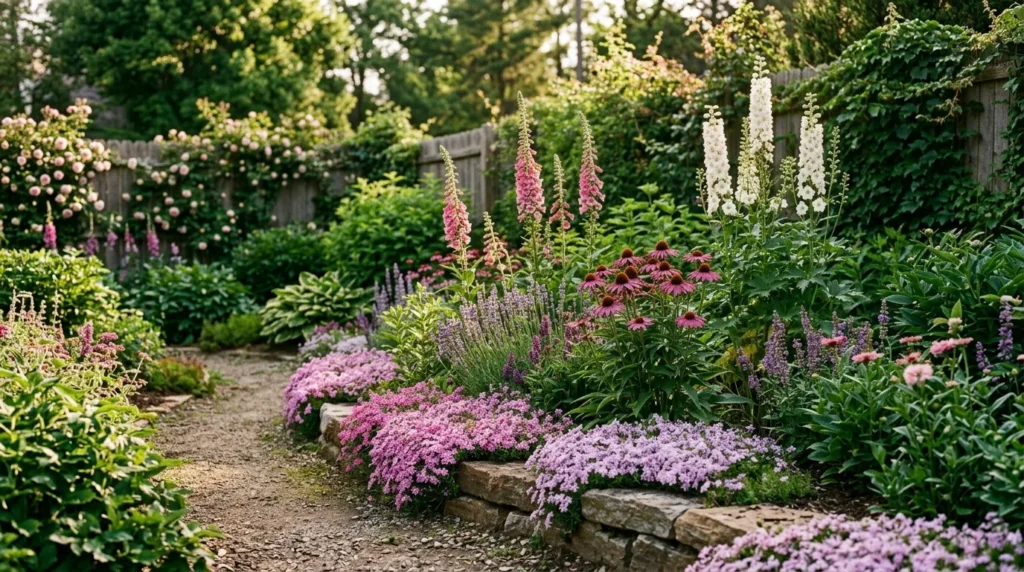
A common mistake many homeowners make when starting a bed is planting everything at the exact same height, which results in a flat, one-dimensional line of green that lacks any real drama. Utilizing an organic layered approach solves this issue immediately by organizing your plants into three distinct tiers: foreground, midground, and background. This simple, nature-inspired structure mimics how wild meadows grow, ensuring that every single bloom gets its moment in the sun while creating a lush tapestry of dense color that looks incredibly professional.
How To Style It
To implement this layered look, place low-growing groundcovers like sweet alyssum or creeping phlox at the very front edge of your bed. In the midground layer, arrange medium-height, structural plants like echinacea, perennial salvia, or soft lavender to build volume and texture. Finally, anchor the background with tall, commanding classics such as foxgloves, delphiniums, or towering hollyhocks. One simple trick I always suggest is clustering plants in odd numbers, like groups of three or five, to make the transitions feel soft, natural, and beautifully organic.
2. Cozy Gravel Pathways
Quick Benefits
- Guides the eye and feet naturally through the space
- Prevents muddy feet during wet spring gardening days
- Offers exceptional drainage and minimizes weed growth
- Emits a highly satisfying, crunching sound underfoot
- Keeps the entire backyard layout feeling open and airy
Why It Works
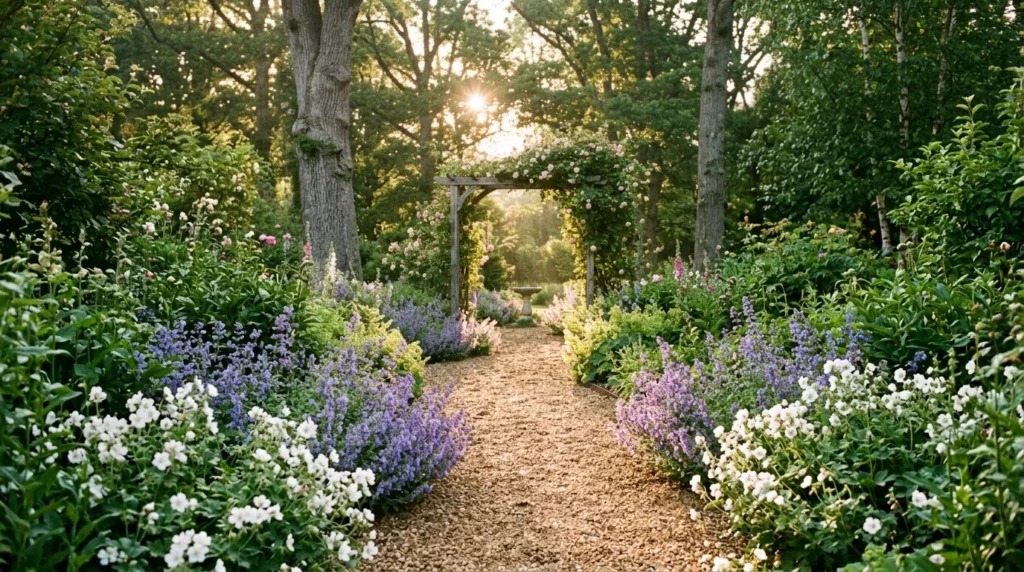
A flower garden is meant to be experienced up close, not just viewed from a distance on your back patio. Installing simple, informal gravel pathways allows you to wander deep into your blooming borders to weed, prune, or simply cut fresh stems for your kitchen table vase. The soft, crunching texture of gravel provides a beautiful contrast to lush, soft foliage, giving your backyard a highly curated, European-inspired estate feel without the high cost of laying heavy concrete flagstones.
How To Style It
Lay out a gently winding path using flexible steel or bender board edging to keep your gravel contained. Excavate the path slightly, lay down professional-grade landscape fabric to block weeds, and fill it with a warm, natural pea gravel or crushed limestone. Frame the path edges with soft, spilling flowers like catmint, lady’s mantle, or hardy geraniums that naturally drape over the stone border. I’ve seen this idea transform plain yards into incredibly inviting, interactive spaces that invite slow, mindful evening strolls.
3. Curved English Borders
Quick Benefits
- Softens hard, boxy property lines and wooden fences
- Mimics natural landscapes for a relaxed, cozy feel
- Creates pockets of deep planting zones for variety
- Makes small, narrow yards feel much wider and deeper
- Highly photorealistic aesthetic that looks great in photos
Why It Works
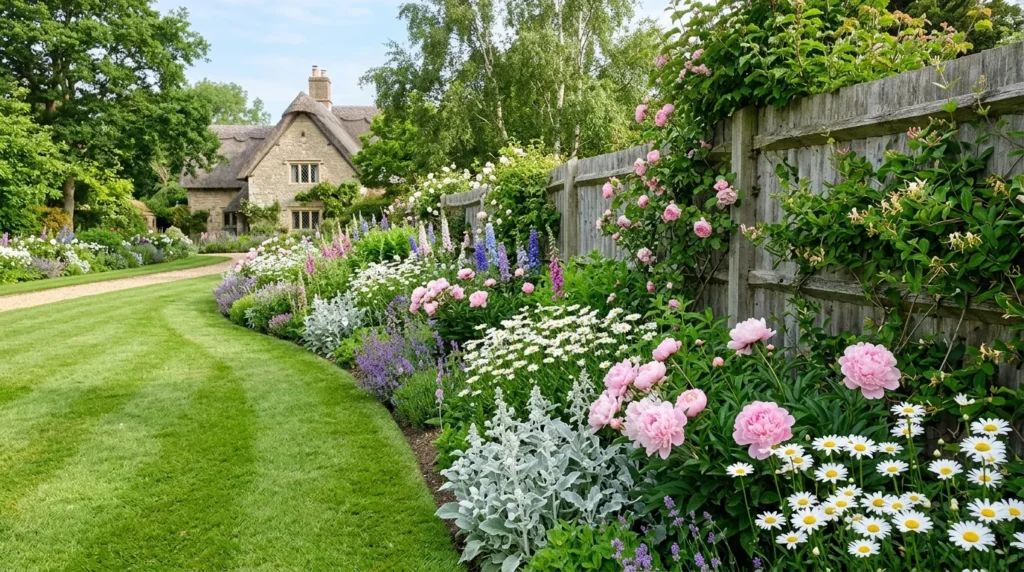
Standard, straight rectangular garden beds can often feel stiff, rigid, and intensely high-maintenance. Embracing the sweeping, romantic curves of a classic English cottage garden naturally relaxes the brain and brings a sense of playful, soft movement to the landscape. Sweeping curves allow you to create deep pockets of soil where you can mass-plant large clumps of statement flowers, while the shallower curves bring the pathway closer to the grass for a dynamic, ever-changing garden perspective.
How To Style It
Use a flexible garden hose to map out wide, generous curves along your lawn’s perimeter before cutting any sod. Once your beds are prepped, fill them with an abundant, slightly wild mix of cottage favorites like garden roses, peonies, shasta daisies, and soft lamb’s ear. That’s why many designers recommend letting plants spill slightly over the grass line to blur the boundary between lawn and flower bed, making your entire outdoor space feel completely integrated, lush, and romantic.
4. Vertical Trellis Climbers
Quick Benefits
- Adds instant height and drama without taking floor space
- Perfectly hides boring wooden fences or plain stucco walls
- Brings sweet, fragrant blooms closer to nose level
- Creates a stunning, lush backdrop for shorter plants
- Excellent solution for tight yards, balconies, or patios
Why It Works
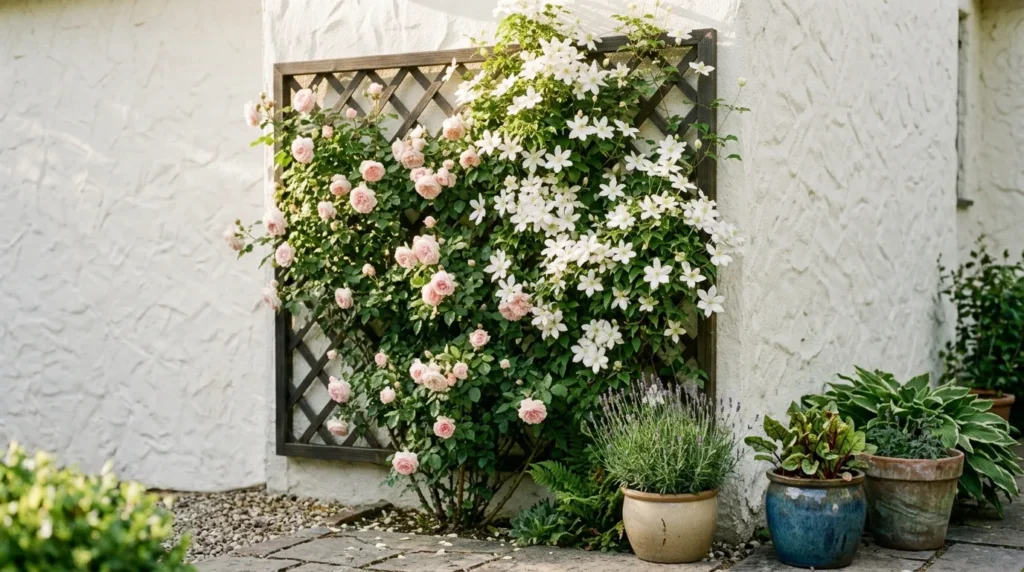
When backyard space is limited, the smartest direction to grow is straight up. Incorporating vertical trellis climbers is a brilliant way to add lush greenery and colorful blooms to your yard without sacrificing valuable lawn space. Vertical structures draw the eye upward, making your entire outdoor area feel much taller and more architecturally interesting. It also allows you to cover blank, unattractive vertical surfaces with living, breathing walls of sweet-smelling petals that change beautifully with the seasons.
How To Style It
Secure an elegant wooden or black wrought-iron trellis directly against an empty fence or wall, ensuring a small gap behind it for proper air circulation. Plant a vigorous, fragrant climber at the base, such as climbing David Austin roses, sweet-scented clematis, or elegant honeysuckle. In my experience, gently training the young vines horizontally along the trellis supports rather than letting them shoot straight up encourages way more flowering buds to break, resulting in a solid wall of dense, spectacular color.
5. Symmetrical Raised Beds
Quick Benefits
- Provides a clean, organized, and tidy aesthetic
- Elevates plants for much easier planting and weeding
- Offers absolute control over your soil quality and mix
- Warms up faster in early spring for earlier blooms
- Reduces pest invasions from slugs and ground-dwellers
Why It Works
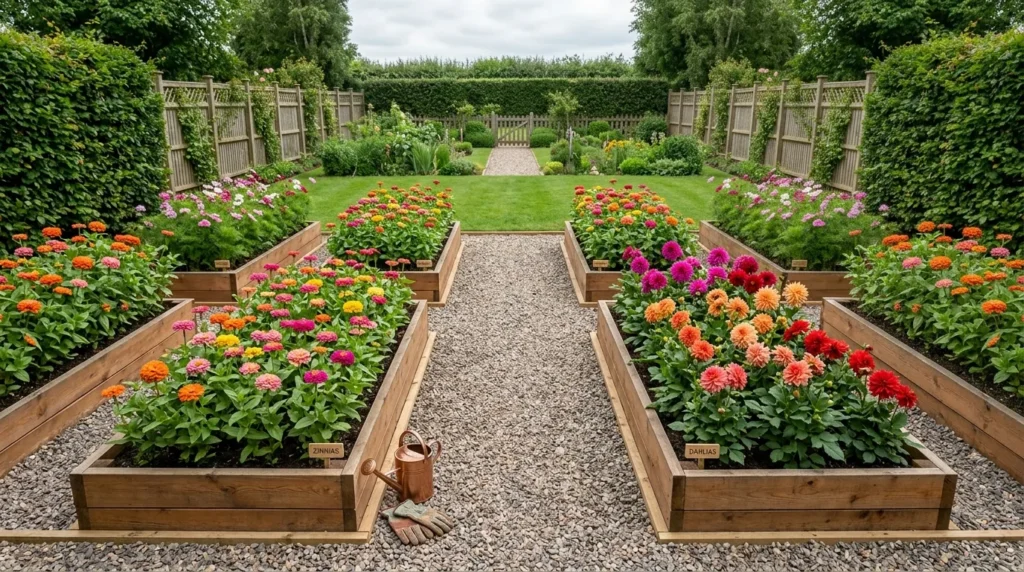
If you prefer a structured, clean-lined, and highly organized aesthetic, symmetrical raised beds are an absolute dream come true. While cottage gardens are wild and free, raised beds bring a beautiful sense of classical symmetry and architectural order to your backyard. They are highly practical, especially for homeowners dealing with heavy clay, rocky dirt, or poor backyard drainage. By elevating the planting surface, you can easily customize your soil mix to keep your prize dahlias and delicate ranunculus thriving.
How To Style It
Build or purchase matching raised bed frames made of durable, rot-resistant wood like cedar or redwood, and arrange them in a balanced grid layout. Keep the pathways between the beds wide enough for a wheelbarrow to pass comfortably. Fill the center of the beds with high-performance compost and topsoil, and plant structured rows of dahlias, zinnias, and cosmos. I’ve noticed that adding a vertical obelisk or a small central birdbath in the middle of the grid anchors the symmetry beautifully, creating a gorgeous focal point.
6. Whispering Water Accents
Quick Benefits
- Introduces a highly soothing, relaxing sensory detail
- Effectively masks unwanted neighborhood or traffic noise
- Welcomes local wild birds for delightful daily viewing
- Adds elegant movement to static garden beds
- Instantly lowers your heart rate when sitting outside
Why It Works
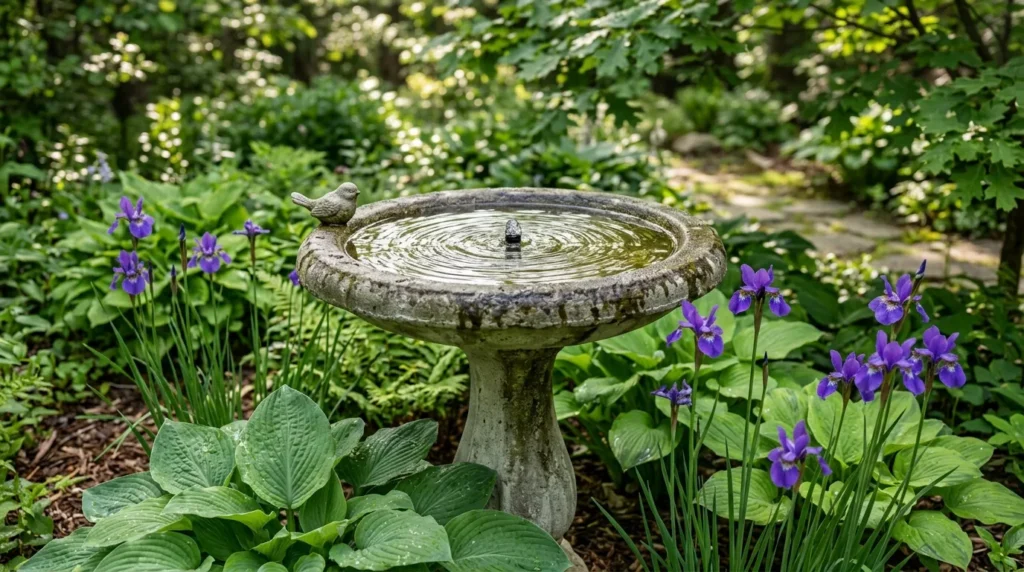
A truly successful flower garden should engage all of your senses, not just your sight. The gentle, whispering sound of water trickling over stone brings a deep sense of peace, luxury, and tranquility to your backyard that plants alone cannot achieve. It masks distracting sounds from nearby streets, creating a cozy auditory bubble where you can completely relax. Additionally, water features provide a critical hydration source for local birds and beneficial insects, bringing your garden to life with beautiful, natural activity.
How To Style It
Nestle a simple, plug-and-play stone fountain or a classic concrete birdbath directly into the center of a lush flower bed. Surround the base of the water feature with moisture-loving plants like delicate hostas, soft Siberian irises, and vibrant astilbes. One simple trick I always suggest is placing a few smooth river stones inside the water basin so local honeybees and butterflies have a safe place to land and sip water without any risk of drowning.
7. Pollinator Friendly Clusters
Quick Benefits
- Supports local ecosystems and declining bee populations
- Fills your garden with beautiful butterflies and birds
- Promotes better yields in nearby vegetable patches
- Focuses on tough, hardy, and drought-tolerant plants
- Requires significantly less water and chemical fertilizers
Why It Works
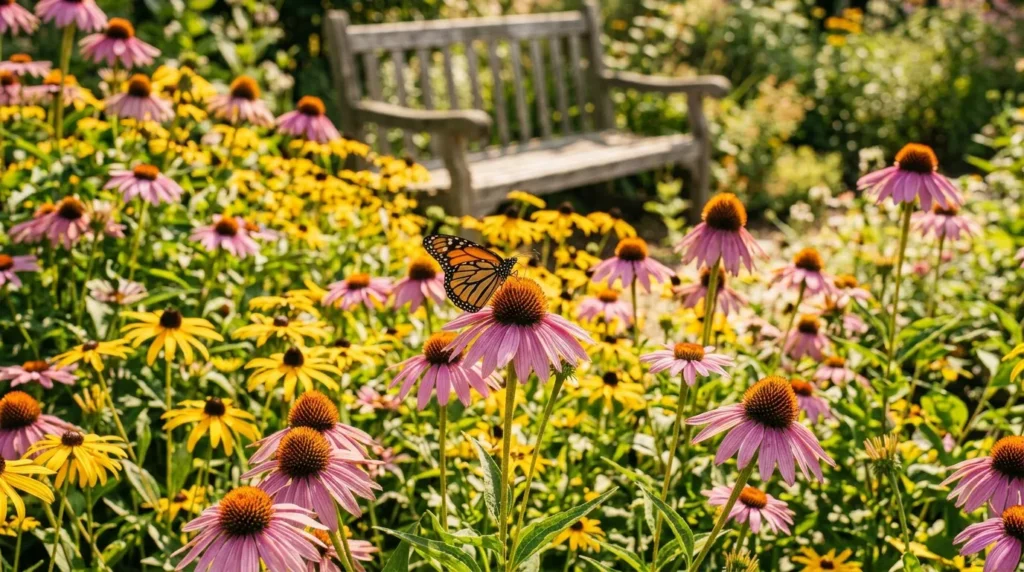
If you are anything like me, you want your garden to be more than just a pretty picture—you want it to be a thriving, active ecosystem. Designing a garden block dedicated specifically to pollinators ensures your backyard is filled with the delightful movement of butterflies, hummingbirds, and bumblebees. Pollinator-friendly plants are typically native wildflowers, meaning they are incredibly tough, require very little water once established, and are highly resistant to local pests, making your gardening journey incredibly easy and stress-free.
How To Style It
Dedicate a sunny patch of your backyard to a rich mix of nectar-packed flowers like purple coneflower, black-eyed Susans, wild bergamot, and showy butterfly weed. Plant these varieties in dense, single-species clusters rather than scattering them individually; this makes it much easier for passing pollinators to spot the food source. Keep a cozy wooden bench nearby so you can sit quietly and enjoy the peaceful buzzing and fluttering of nature right outside your back door.
8. Romantic Arched Gateways
Quick Benefits
- Creates a magical, fairytale-like sense of entry
- Visually divides different areas of your backyard
- Adds incredible architectural interest to flat lawns
- Supports heavy, climbing woody flowering vines
- Serves as a stunning backdrop for family photos
Why It Works
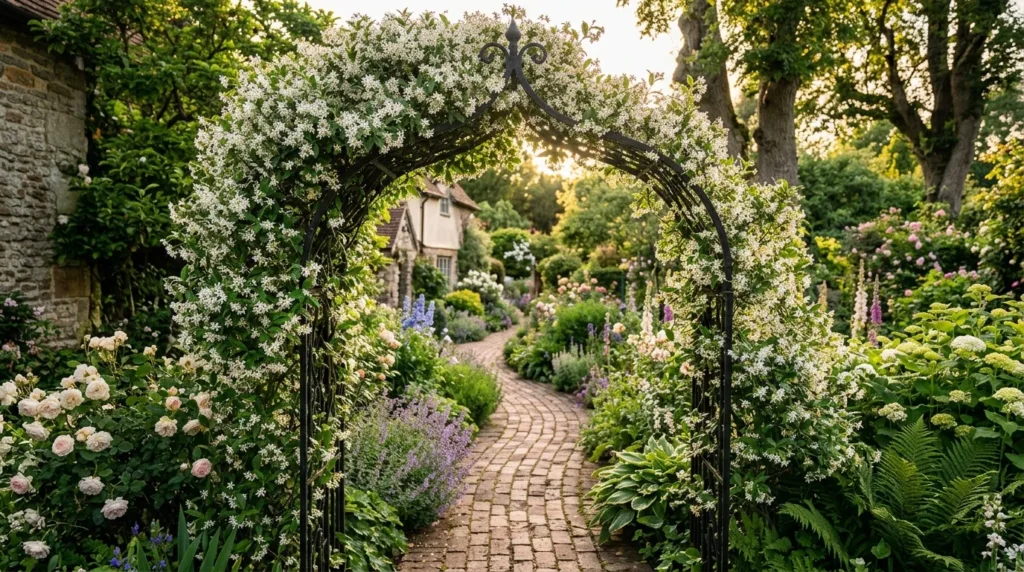
One of the secrets to high-end landscape design is creating distinct “rooms” within your backyard rather than showing the entire space all at once. A romantic arched gateway acts as a beautiful, inviting portal that beckons visitors to explore what lies beyond the curve. It adds classical architectural structure, provides essential vertical support for heavy climbing vines, and establishes a clear, breathtaking transition from your open grass lawn to your intimate, hidden floral sanctuary.
How To Style It
Position a sturdy wooden or heavy metal archway at the start of your gravel path or along a fence line. Plant a pair of romantic, repeating climbers on both sides of the base, such as climbing Eden roses or fragrant star jasmine, gently tying the main canes to the arch as they grow. Surround the outer base of the archway with soft, structural mounding shrubs like hydrangeas or boxwoods to anchor the frame naturally into your backyard landscape.
9. Textured Stone Edging
Quick Benefits
- Creates a clean, crisp, and high-contrast border
- Keeps grass roots from invading your flower beds
- Makes mowing and lawn maintenance incredibly easy
- Introduces rugged, organic stone texture to the yard
- Extremely long-lasting and won’t rot like wood borders
Why It Works
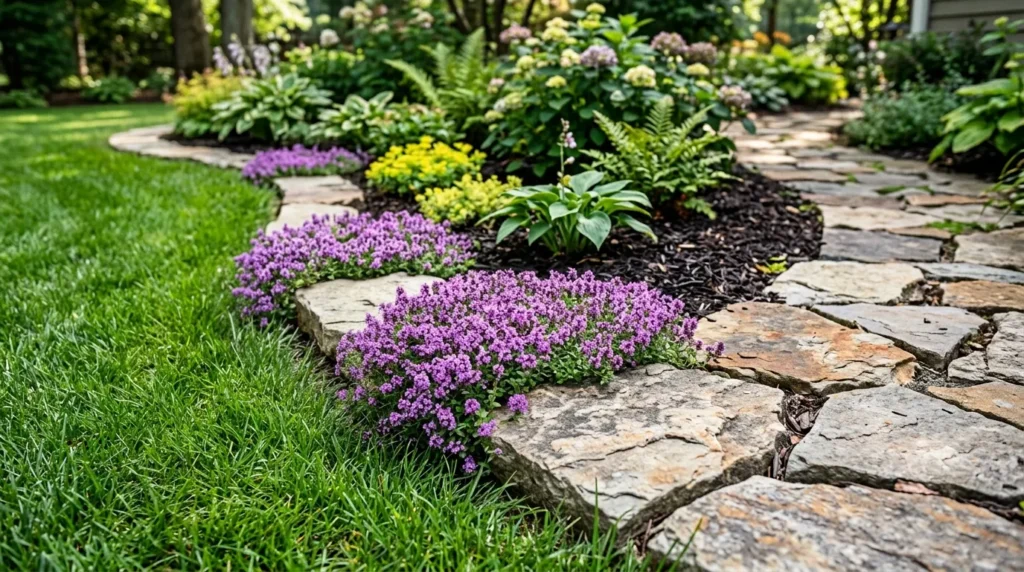
Nothing ruins the look of a beautiful flower garden faster than grass roots aggressively invading your soil beds or messy, undefined edges that look sloppy. Installing solid, textured stone edging provides a functional physical barrier that stops weeds in their tracks while giving your backyard a highly professional, polished finish. The rugged, natural look of stone edge markers adds a beautiful rustic touch that highlights the soft, colorful textures of your petals and leaves.
How To Style It
Dig a shallow trench along the curve of your garden bed and lay down a base of sand to prevent shifting. Set flat, natural flagstones or tumbled cobblestones side-by-side, ensuring they sit slightly above the grass level but flush enough for your lawnmower wheel to glide smoothly over the top. Plant low, trailing flowers like creeping thyme or soapwort right behind the stone edge so they can slowly cascade over the natural stone, softening the hard border beautifully.
10. Container Cluster Corners
Quick Benefits
- Highly portable and easy to change with the seasons
- Perfect solution for renters or paved patio spaces
- Allows you to grow plants with different soil needs
- Instantly brightens up empty, unused deck corners
- Requires zero digging or heavy yard prep work
Why It Works
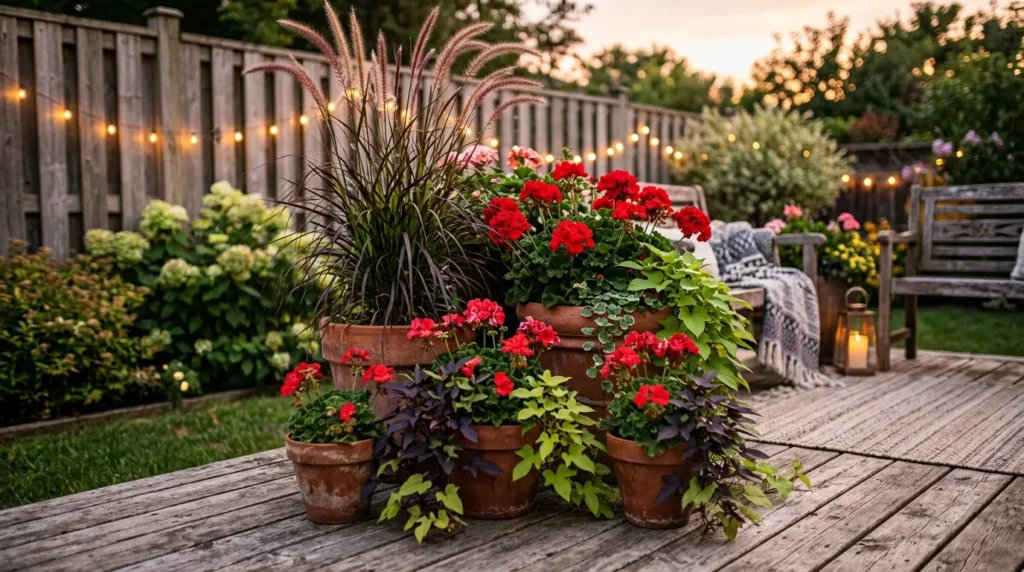
You do not need a massive open lawn or perfect native soil to grow a spectacular, breathtaking flower garden. Utilizing a clustered grouping of beautiful containers is a highly effective, modern way to bring colorful blooms directly onto your back deck, stone patio, or apartment balcony. Containers allow you to control the soil quality, moisture levels, and sun exposure perfectly, making it incredibly easy to grow delicate or exotic flowers that might struggle to survive in your natural backyard dirt.
How To Style It
Gather a group of three to five high-quality pots in varying heights and sizes, sticking to a cohesive color palette like warm terracotta, rustic stoneware, or clean matte white. Fill the tallest pot with a structural focal plant like a purple fountain grass or a dwarf canna lily, use the medium pots for colorful fillers like geraniums, petunias, and marigolds, and let sweet potato vines spill out of the smallest pot. Arrange them in a tight, overlapping cluster to create a lush, tiered display.
FAQ Section
What are the best flowers for a low-maintenance backyard garden?
If you want a gorgeous show of color without spending every weekend weeding and watering, perennials are your absolute best friend. Plants like purple coneflowers (echinacea), black-eyed Susans (rudbeckia), hardy salvias, lavender, and hostas are incredibly tough. Once established in your backyard, they will reliably return year after year, resist pests, and tolerate summer heatwaves with very little help from you.
How often should I water my newly planted flower beds?
During the first two to three weeks after planting, your new flowers need consistent moisture to help their root systems adapt. Water them deeply every day or two, depending on the weather. Once established, most perennial gardens do best with deep, thorough watering twice a week rather than a quick daily sprinkle. This encourages the roots to grow deep into the ground, making them highly drought-tolerant.
How can I keep my flower garden blooming all summer long?
The secret to continuous, all-summer color is two-fold: plant a balanced mix of early, mid, and late-season bloomers, and practice regular “deadheading.” Deadheading is simply the process of pinching or cutting off faded, dying flower heads. This stops the plant from putting its energy into producing seeds and instead forces it to send out a fresh flush of beautiful new flower buds.
What is the difference between annual and perennial flowers?
Annual flowers live for only one growing season; they grow quickly, bloom spectacularly from spring until the first winter frost, and then die. Perennial flowers, on the other hand, have a shorter individual blooming window but their roots survive the winter cold, allowing them to regrow and bloom again year after year, making them a fantastic long-term investment for your yard.
How do I prepare my backyard soil for planting flowers?
Before you put any new plants in the ground, you must give them a healthy foundation. Clear away all existing grass, weeds, and rocks from the area. Dig down about 8 to 12 inches and mix in a generous, thick layer of organic compost, aged manure, or leaf mold. This organic matter loosens up heavy clay soil, improves water drainage, and packs the soil with essential nutrients your new blooms need to thrive.
Related Articles
- Cozy Patio Ideas
- DIY Accent Wall Ideas
- Small Backyard Layouts
- Modern Farmhouse Decor
- Neutral Home Styling