10 Garden Wood Fence Ideas Rustic Homes Need
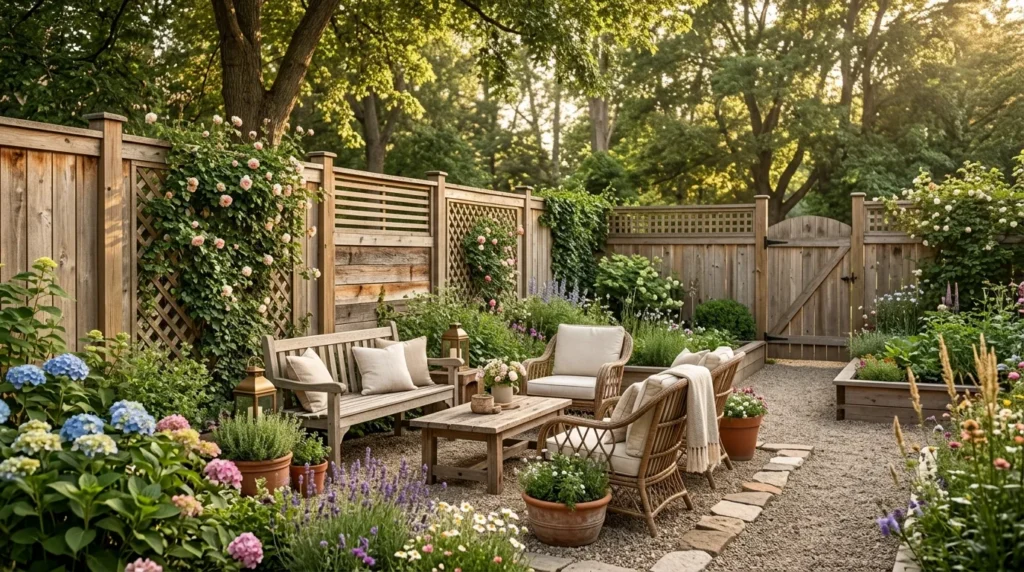
Stepping out into a backyard sanctuary should feel like an immediate breath of fresh air, yet so many properties are framed by stark, generic borders that feel more like a suburban cage than a peaceful escape. While we spend hours selecting the perfect heirloom tomato varieties, mapping out raised garden beds, and curating cozy patio furniture, the boundary wall is often treated as a purely functional necessity. If you are tired of looking at weathered, builder-grade pressure-treated planks that offer zero personality, it is time to reimagine what your property line can be. Finding boundary solutions that harmonize beautifully with the wild, organic nature of your plants while providing security is a common challenge. However, your boundary is actually a massive canvas that sets the entire design tone for your outdoor space. The right framing underfoot and around your yard anchors your landscaping, transforming a basic lawn into a cozy, intentional homestead. In my experience, focusing on organic textures and historical craftsmanship is the absolute fastest way to bring soulful character to your property. This comprehensive guide details 10 stunning garden wood fence ideas rustic design lovers can use to create secure, visually inspiring, and timeless garden boundaries.
Table of Contents
- Split Rail Classic Discover how rugged, hand-split cedar logs bring an open, historic pasture aesthetic to rolling landscape borders.
- Woven Branch Hurdles An ancient, highly sustainable English fencing style crafted from flexible hazel branches for ultimate organic charm.
- Rough Sawn Picket A charming, cottage-style border featuring uneven, textured vertical pickets that look beautifully lived-in.
- Horizontal Cedar Planks How mounting natural cedar boards horizontally offers a cozy, transitional bridge between rustic warmth and modern structure.
- Repurposed Pallet Border An incredibly budget-friendly, highly creative DIY project that transforms reclaimed shipping pallets into a rustic planting wall.
- Live Edge Slabs Embrace the natural, undulating curves of the forest with heavy timber slabs that retain their original bark edge.
- Lattice Top Panel Incorporate delicate, cross-hatched wood screening to invite climbing vines while maintaining a soft, semi-private boundary.
- Weathered Barn Wood How salvaged gray timber planks bring unparalleled historical soul, texture, and sustainable character to garden spaces.
- Post and Rail A highly sturdy, minimalist agricultural framework perfect for bordering large properties while keeping views completely open.
- Bamboo Cane Screen Bring a relaxed, organic, and budget-friendly coastal texture to your property using densely bound natural bamboo stalks.
1. Split Rail Classic
Quick Benefits
- Creates a highly nostalgic, open pastoral boundary
- Requires significantly less lumber than solid privacy panels
- Extremely easy to install on sloping or uneven terrain
- Naturally ages to a beautiful, soft silvery-gray patina
- Perfect for framing large country-style properties
Why It Works
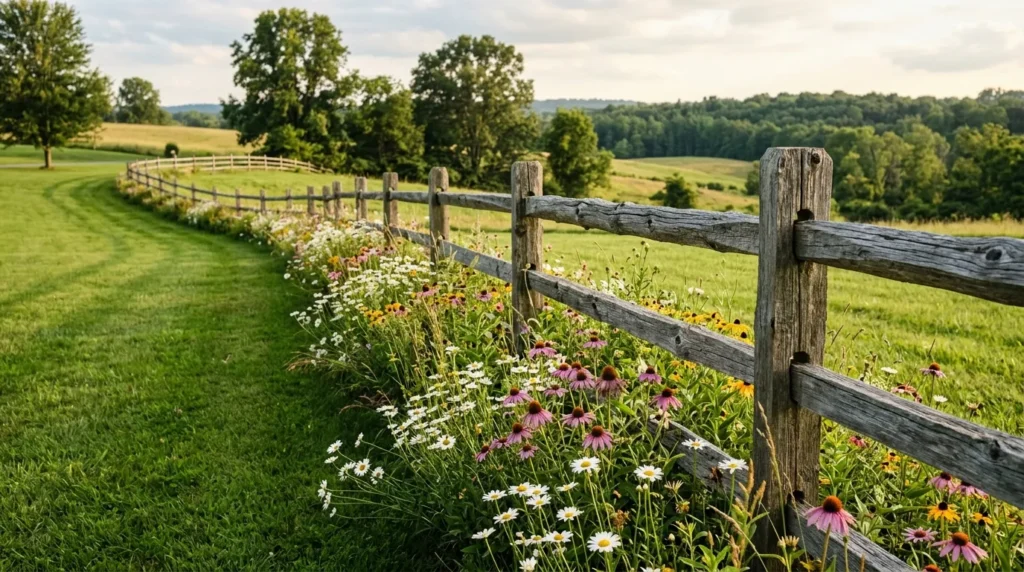
A mistake many homeowners make is installing towering, solid board-on-board boundaries around spacious properties, which can make a gorgeous natural landscape feel confined and isolated. Opting for a split-rail system solves this issue beautifully, establishing a clear property line without blocking your views of the surrounding countryside. The rugged, hand-split texture of these thick cedar or pine logs feels incredibly authentic and historical, blending seamlessly into wild meadows, mature trees, and unstructured garden beds. It is an enduring classic that celebrates the raw, unrefined beauty of natural timber.
How To Style It
To bring this historic look to life in your yard, I suggest opting for a classic three-rail configuration using rough-hewn cedar posts. One thing that works especially well is planting a lush, cottage-style border directly along the base of the fence line, allowing tall wildflowers like purple coneflowers, wild daisies, and foxgloves to weave playfully through the open rails. In my experience, pairing this rugged woodwork with a simple, matching split-rail gate complete with antique black iron latch hardware instantly establishes a welcoming, country-homestead atmosphere.
2. Woven Branch Hurdles

Quick Benefits
- Exceptional wind-filtering capability without creating dead-air zones
- Highly sustainable, using renewable coppiced timber
- Features an incredibly rich, hand-crafted artisan texture
- Provides partial privacy while letting dappled sunlight through
- Blends completely into natural woodland garden backdrops
Why It Works
If you are looking to step away from factory-milled lumber entirely, woven branch hurdles—often referred to as wattle fencing—are an absolute design masterpiece. This ancient European craft involves weaving flexible, slender branches of hazel, willow, or chestnut around sturdy vertical wooden stakes. The finished product is a highly textured, organic screen that looks as if it grew naturally right out of your garden soil. Because the panel is semi-porous, it gently filters strong winds rather than blocking them entirely, creating a calmer, warmer microclimate for your delicate vegetable beds.
How To Style It
Select hand-woven hazel panels that stand around four to five feet tall to frame your primary vegetable garden or seating area. Secure them to sturdy, dark-stained pine posts driven deep into the ground for a highly secure anchor. Pair these rich, earthy woven screens with gravel pathways, raised cedar planter boxes, and climbing sugar snap peas or cherry tomatoes that can easily use the flexible woven branches as a natural growing trellis. This combination feels incredibly peaceful, cozy, and reminiscent of a classic English cottage garden.
3. Rough Sawn Picket
Quick Benefits
- Classic cottage-style aesthetic with an unrefined twist
- Softens the perimeter of your front yard beautifully
- Uneven textures hide outdoor dirt and green moss
- Perfectly balances pet containment with neighborly openness
- Highly customizable with rustic stains or washes
Why It Works
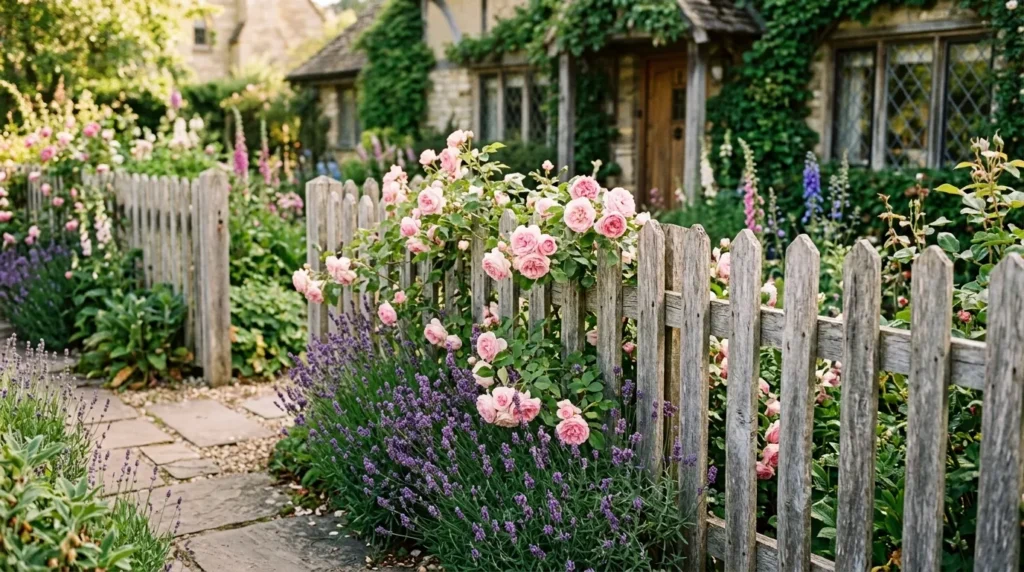
The white picket fence is a timeless symbol of home, but a stark, plastic-vinyl version can feel incredibly sterile and artificial in a natural garden setting. Choosing rough-sawn wood pickets completely redefines this classic look, replacing flat surfaces with rich, textured timber grain that features natural knots, saw marks, and charming organic imperfections. The unrefined, matte surface of rough-sawn lumber absorbs natural outdoor light beautifully, making the boundary feel like a soft, integrated part of your landscape rather than a harsh white barrier.
How To Style It
Choose three-inch-wide rough-sawn cedar pickets with simple Gothic or flat-top cuts, leaving them unstained so they can naturally weather to a soft driftwood gray over time. If you prefer some color, apply a semi-transparent white or sage-green wood wash that allows the beautiful, rugged grain underneath to shine through. Plant a romantic mix of English lavender, towering pink delphiniums, and rambling David Austin roses behind the picket line, letting the heavy floral blooms spill lazily over the textured wooden tops.
4. Horizontal Cedar Planks
Quick Benefits
- Modern linear design blended with rustic warmth
- Makes narrow backyards feel visually wider
- Highly durable, rot-resistant natural timber species
- Seamless, flat profile creates a clean backdrop
- Offers excellent full-privacy screening options
Why It Works
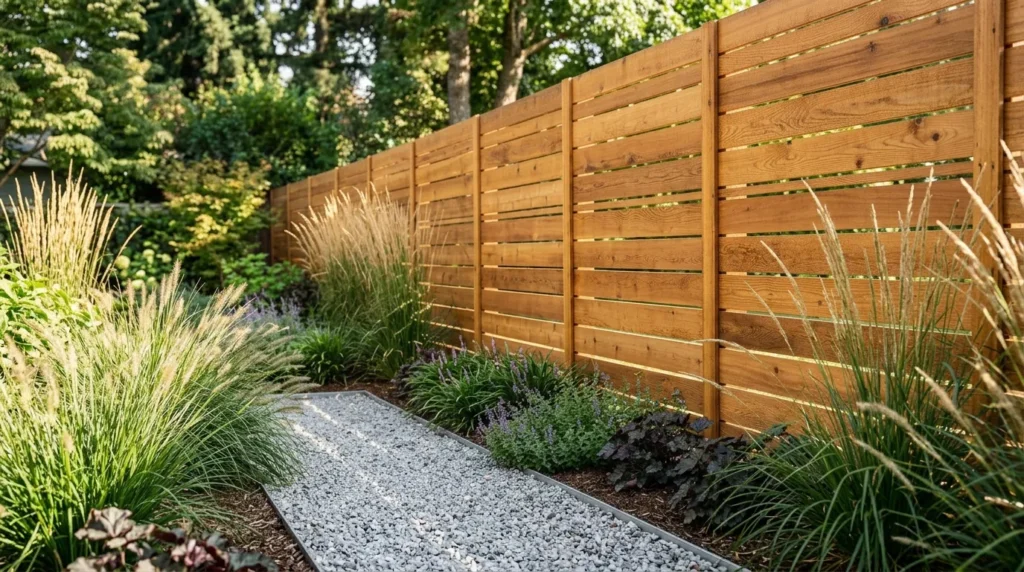
Finding the right garden wood fence ideas rustic styling lovers adore can sometimes feel like a balancing act between old-world charm and modern architectural structure. Mounting high-quality, rough-hewn cedar planks horizontally instead of vertically offers the perfect transitional solution. The horizontal lines draw the eye sideways, creating an optical illusion that makes compact suburban yards feel significantly wider and more expansive. Using cedar ensures long-term durability against rain, rot, and insects while the varied, warm reddish-brown tones of the wood grain provide incredible organic character.
How To Style It
Use six-inch-wide, rough-sawn cedar planks mounted horizontally to sturdy cedar posts, leaving a tiny, quarter-inch gap between each board to allow for natural wood expansion and a subtle peek of light. Apply a high-quality, clear exterior oil to preserve the rich, warm amber tones of the cedar without masking its natural grain. Frame this clean, modern-rustic backdrop with structured plantings like dark green boxwoods, ornamental grasses, and modern black outdoor lighting fixtures to create a stunning, high-contrast evening ambiance.
5. Repurposed Pallet Border
Quick Benefits
- Incredibly budget-friendly, low-cost DIY project
- Highly creative way to recycle shipping materials
- Built-in pocket spaces are perfect for planting herbs
- Adds a charming, handmade homestead aesthetic
- Easy to build, customize, and replace over time
Why It Works
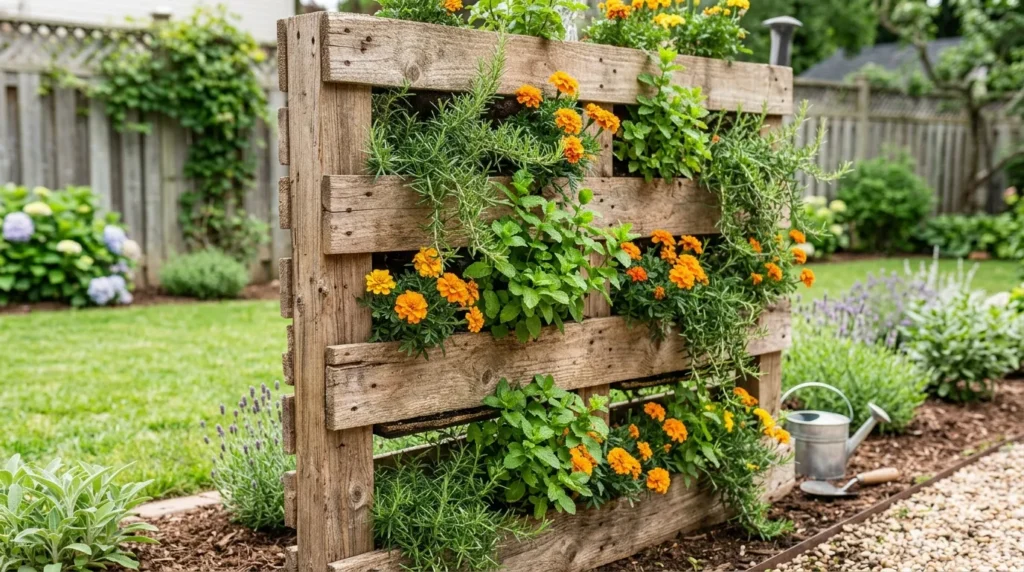
For passionate DIY enthusiasts and budget-conscious gardeners, building a beautiful boundary wall doesn’t have to require spending thousands of dollars on premium lumber. Repurposing clean, heat-treated wooden shipping pallets is a brilliant way to build a highly functional, rustic barrier that is packed with character. The naturally weathered, varied wood slats of pallets offer an instant, lived-in farmhouse charm that feels incredibly authentic, resourceful, and creative. Plus, the hollow interior structure of a shipping pallet naturally lends itself to becoming a vertical planting system.
How To Style It
Disassemble half of your pallets to use the extra wood slats to fill in any wide gaps, creating a solid, low-height garden border. Secure the pallet structures to thick wooden ground stakes driven into your soil for stability. Sand any rough edges lightly, then paint the wood with a dark charcoal exterior paint or leave it raw for a weathered look. Plant trailing strawberries, culinary herbs like rosemary and thyme, and bright orange marigolds directly into the open top pockets of the pallets to create a gorgeous, living green wall.
6. Live Edge Slabs
Quick Benefits
- Unmatched, completely unique sculptural design
- Celebrates the organic, natural shape of the tree
- Heavy timber construction provides excellent wind barrier
- Becomes an instant, dramatic artistic garden focal point
- Showcases stunning natural wood grain and bark textures
Why It Works
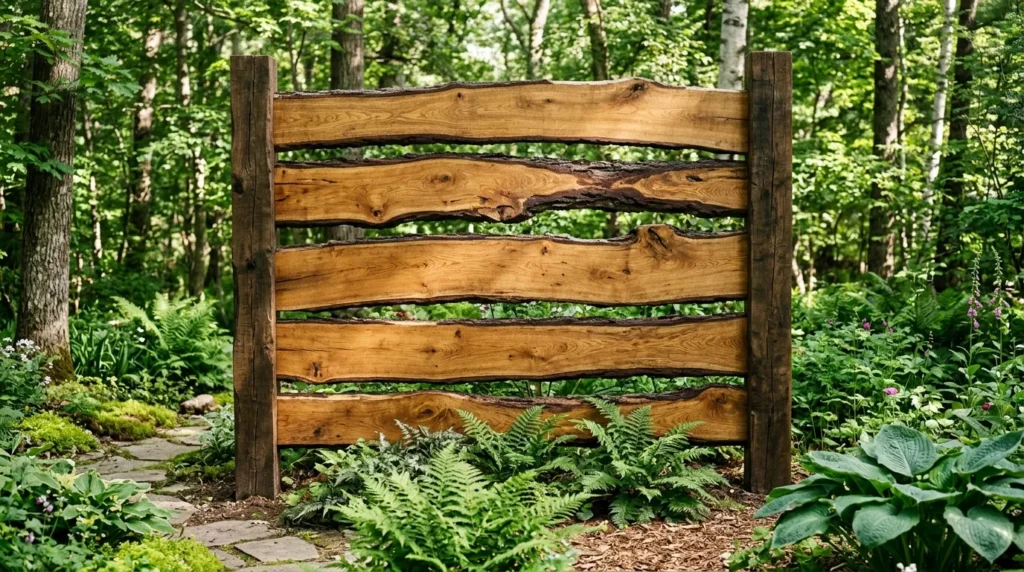
If you want your garden boundary to look like a high-end, custom architectural installation, live-edge wood slabs are the ultimate choice. These heavy timber planks are cut directly from the log, retaining the natural, undulating outer curves of the tree trunk along their edges—sometimes even keeping the original rustic bark intact. Running these heavy, organic slabs horizontally between stout wooden posts creates a powerful, majestic barrier that feels deeply connected to the ancient spirit of the forest, making your backyard feel like an exclusive woodland estate.
How To Style It
Select wide, live-edge oak, cedar, or redwood slabs that have been properly dried and cured to prevent warping. Mount them horizontally between heavy, square timber posts, allowing the irregular, natural wavy edges of the slabs to overlap slightly. Apply a deep, protective satin exterior sealer to highlight the swirling wood grain and rich natural knots. Keep the surrounding landscaping simple, using soft woodland ferns, hostas, and gravel paths to allow the majestic, sculptural woodwork to command full attention.
7. Lattice Top Panel
Quick Benefits
- Softens high privacy boundaries beautifully
- Invites cooling breezes and dappled sunlight in
- Perfect built-in trellis structure for climbing plants
- Balances full backyard security with a light, airy feel
- Adds classic, elegant architectural detail underfoot
Why It Works
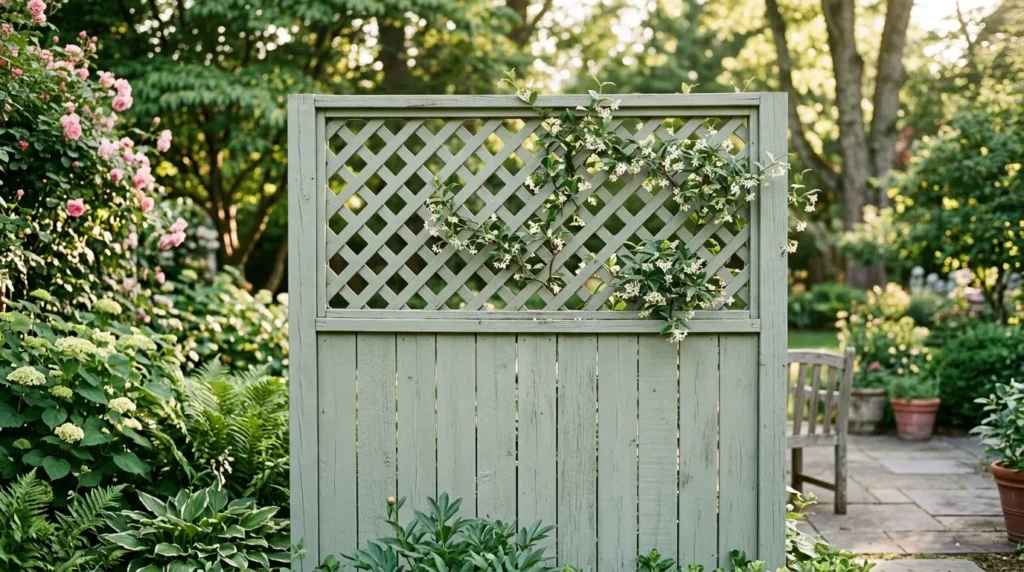
One common mistake many homeowners make is installing towering, solid six-foot privacy walls that block out all natural light, casting heavy, dark shadows over their delicate perimeter flower beds. A lattice-topped wooden panel offers the perfect hybrid solution, keeping the bottom four feet of the screen completely solid for ultimate privacy and security, while finishing the top two feet with a delicate, open diagonal wood grid. This design allows refreshing summer breezes and natural sunlight to filter through gently, keeping your garden healthy.
How To Style It
Choose solid vertical pine tongue-and-groove lower panels topped with a clean, diagonally crossed wood lattice frame. Paint or stain the entire assembly in a soft, weathered moss green or a warm, earthy taupe to help it blend naturally with your foliage. Plant vigorous climbing vines like sweet-smelling jasmine, clematis, or heirloom climbing hydrangeas at the base of the panels, training the flowering vines to weave through the lattice work for a highly romantic, living-screen effect.
8. Weathered Barn Wood
Quick Benefits
- Exceptionally rich historical character and soul
- Highly sustainable, using reclaimed timber resources
- Beautiful silvery-gray color palette blends with nature
- Pre-weathered wood is highly stable and won’t warp
- Looks incredibly high-end and custom-designed
Why It Works
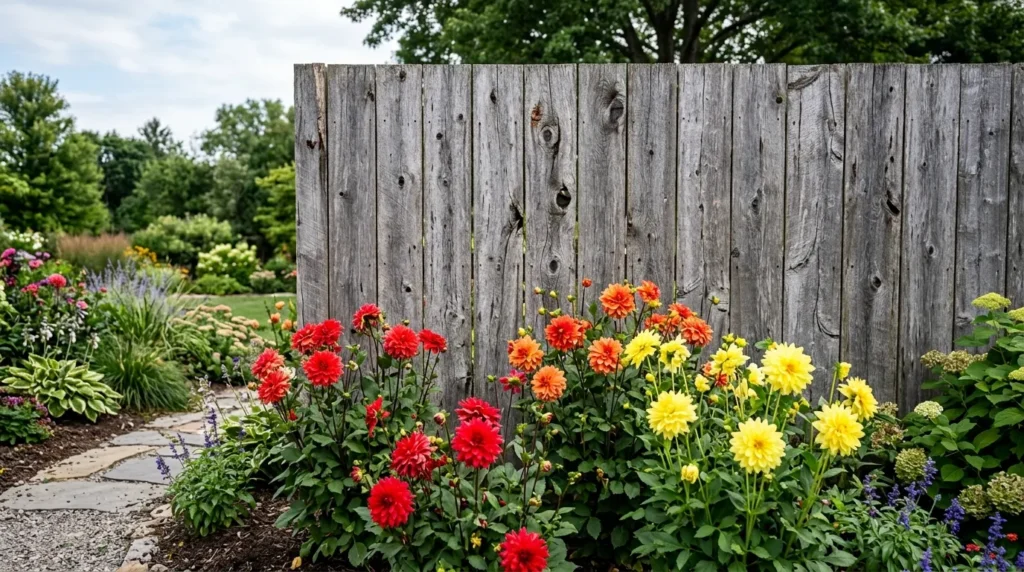
There is an unmistakable warmth and authenticity that comes from using materials that have a history, which is why reclaimed weathered barn wood is so highly prized by top-tier landscape designers. Sourced from historic barns, outbuildings, and old fencing across America, this salvaged timber has spent decades developing deep grain fissures, natural knot-holes, and a stunning silvery-gray color under the sun. Bringing these storied planks into your garden layout adds an instant, soulful depth that brand-new lumber simply cannot replicate.
How To Style It
Install reclaimed barn wood planks vertically in a staggered-height board-on-board pattern to create a highly textured, full-privacy backdrop. Use a matte, clear wood preservative to protect the fragile antique timber from moisture rot without altering its gorgeous, natural weathered gray appearance. Frame this historic wood wall with contrasting bright elements, such as modern limestone paving stones, bright white outdoor furniture, and vibrant, hot-colored plantings like red hot pokers, yellow sunflowers, and orange dahlias.
9. Post and Rail
Quick Benefits
- Clean, open agricultural aesthetic
- Highly cost-effective for large perimeter lines
- Minimalist structure doesn’t block scenic country views
- Incredibly sturdy and easy to repair over time
- Works beautifully for confining large livestock or pets
Why It Works
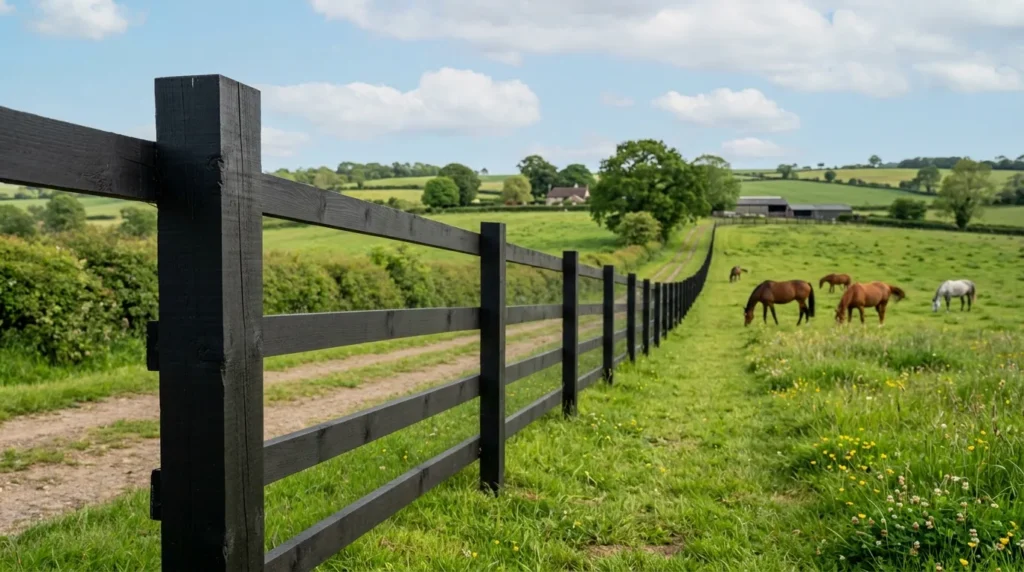
If your property features sweeping, open views of rolling hills, dense woods, or a beautiful lake, the last thing you want to do is block that natural beauty with a solid privacy barrier. A classic post-and-rail system provides a highly sturdy, traditional agricultural frame that outlines your land while keeping your sightlines completely open and airy. Using heavy, square-cut timbers rather than rough logs gives this traditional farm fence a slightly more polished, transitional look that works wonderfully for modern rustic homesteads.
How To Style It
Install thick, square-cut pressure-treated pine posts spaced eight feet apart, connecting them with three horizontal rough-sawn planks running flat against the face of the posts. Paint the entire structure in a deep, matte barn-red or a sophisticated coal black to make a striking, elegant line across your green landscape. If you need to keep small pets contained, cleanly attach a dark-coated wire utility mesh to the back of the wood rails—it remains virtually invisible from a distance while providing complete security.
10. Bamboo Cane Screen
Quick Benefits
- Incredibly fast, easy, and budget-friendly installation
- Brings a relaxed, breezy tropical texture to yards
- Perfect for covering up ugly old chain-link fences
- Naturally water-resistant and highly durable material
- Excellent for creating quick privacy in tight spaces
Why It Works
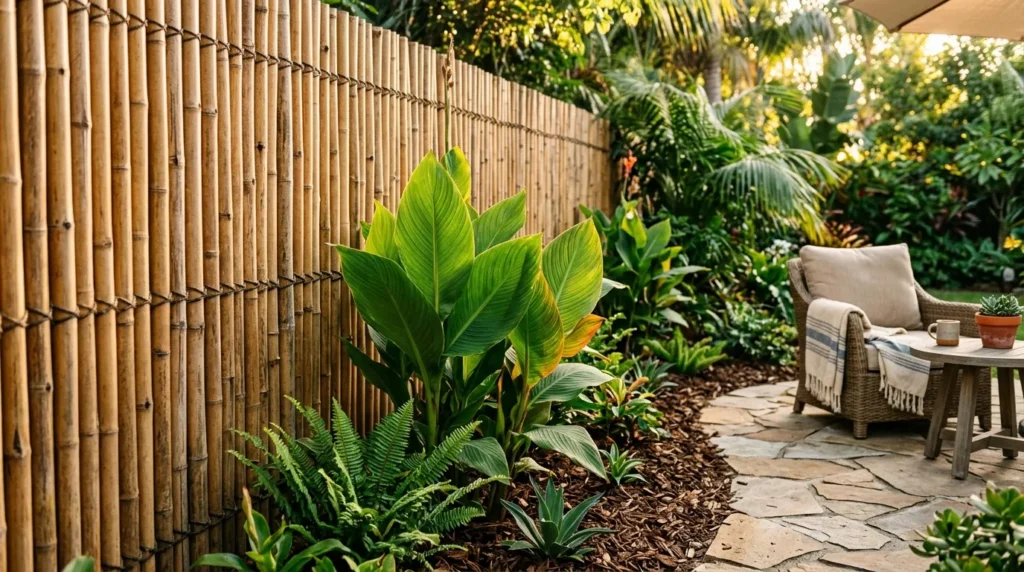
Sometimes you need to establish privacy or cover up an unsightly existing metal barrier quickly without spending a fortune on heavy lumber construction. डीआईवाई and budget-conscious homeowners can turn to natural bamboo cane screens for a highly texturized, organic solution. Densely bound together with strong galvanized wire, natural bamboo rolls can be easily attached to existing frameworks, instantly replacing cold chain-link with warm, vertical wooden cane textures that evoke a relaxed, resort-like outdoor living aesthetic.
How To Style It
Unroll a high-quality, thick-stalked natural bamboo screen over your existing wire fence line, securing it tightly with heavy-duty exterior zip ties or wire ties. Frame the base of the bamboo screen with a simple wood border filled with black river stones or mulch to keep the bottom of the canes clear of wet soil. Plant large-leafed tropical plants like canna lilies, hardy hostas, and cascading ornamental grasses in front of the screen to create a lush, highly textured backyard oasis that whispers gently in the wind.
FAQ Section
What is the most rot-resistant wood for a rustic garden boundary?
Natural cedar and redwood are widely considered the absolute best choices for outdoor wood installations. Both of these timber species contain natural oils and tannins that make them highly resistant to rot, decay, moisture damage, and wood-boring insects without requiring heavy chemical treatments. In my experience, investing in high-quality cedar ensures your rustic structure remains sturdy and beautiful for twenty years or more.
How can I make a rustic wood fence last longer against soil moisture?
To protect your wooden boundary from premature rot, the most critical step is ensuring the wooden posts are not in direct contact with wet, pooling soil. Always set your posts in a deep gravel base to allow water to drain away quickly from the bottom of the timber. Additionally, apply a premium, wax-based end-cut preservative to the bottom of all ground-contact wood before placing it in the earth.
Do I need to stain or seal reclaimed weathered barn wood?
While reclaimed wood is highly stable because it has already shrunk and aged, it is still highly porous and vulnerable to moisture rot and wood-boring pests. I highly recommend applying a high-quality, completely matte, penetrating clear exterior sealer. This specialized treatment deeply penetrates the dry fibers to repel water while preserving the stunning, authentic silvery-gray weathered appearance without adding any unnatural glossy shine.
How do I prevent my wooden gate from sagging over time?
Gate sagging is an incredibly common problem caused by gravity pulling down on the heavy wooden frame. To prevent this, always install a diagonal cross-brace running from the bottom hinge corner up to the top latch corner of the gate frame. This structural triangle transfers the weight of the gate back to the secure hinge post, ensuring your gate swings smoothly and stays perfectly aligned for years.
Can I attach a wire mesh to an open wood fence to keep small dogs inside?
Yes, absolutely! Attaching a utility wire mesh is a brilliant way to enjoy the open look of a split-rail or post-and-rail layout while keeping small dogs or chickens safely contained. I always suggest choosing a 2×4-inch welded wire mesh with a dark black vinyl coating. The black color absorbs light, making the wire grid virtually invisible against your green grass and plantings from just a few feet away.
Related Articles
- Cozy Patio Styling
- Modern Farmhouse Decor
- Small Garden Layouts
- Space-Saving Garden Storage
- DIY Accent Wall Ideas