12 These Cozy Decor Tips Are Perfect for Small Spaces
4. Introduction:
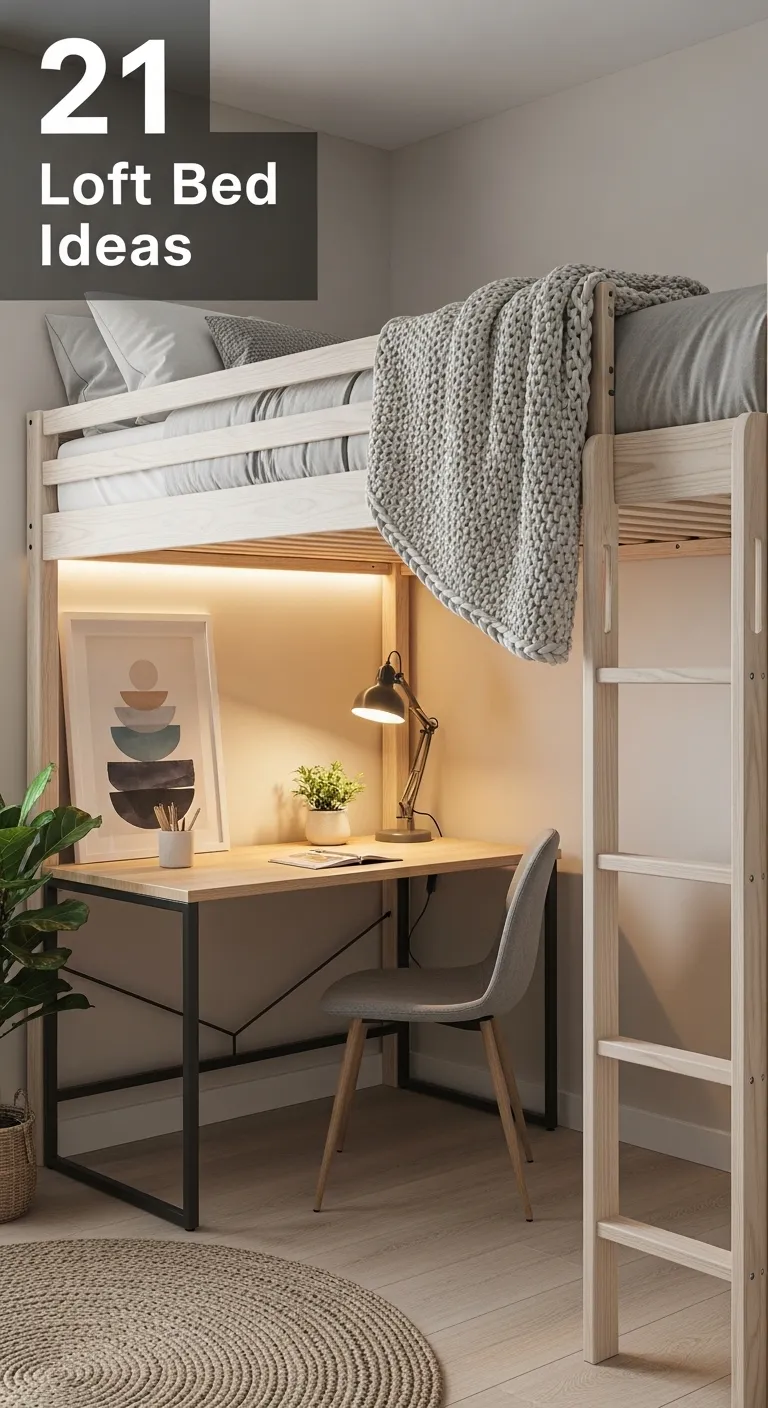
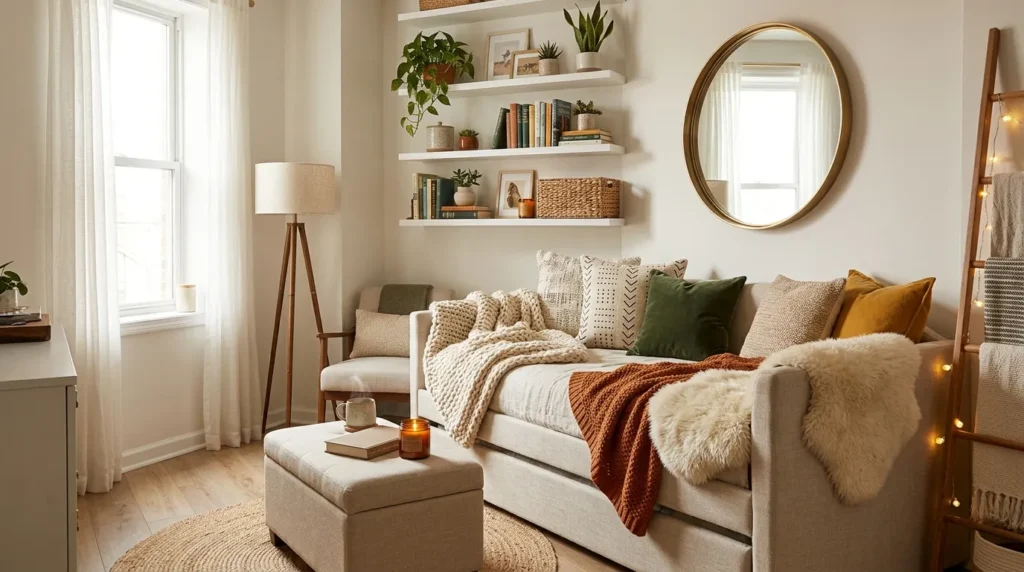
Decorating small spaces can be a unique challenge, especially in the USA where apartments, condos, and tiny homes are increasingly common. Many homeowners struggle to make compact rooms feel cozy without overwhelming them. That’s why these practical strategies matter—they help you optimize comfort, style, and functionality simultaneously. In this guide, you’ll find 11 actionable decor ideas tailored to small spaces, designed to make them visually appealing, organized, and inviting. Each tip focuses on real-life usability, clever layout strategies, and material choices that elevate even the tiniest rooms into warm, stylish retreats.
1. Layered Lighting
- Combines overhead, task, and accent lighting
- Adds depth and warmth to compact areas
- Highlights textures, furniture, and decor
- Adjustable brightness enhances mood and usability
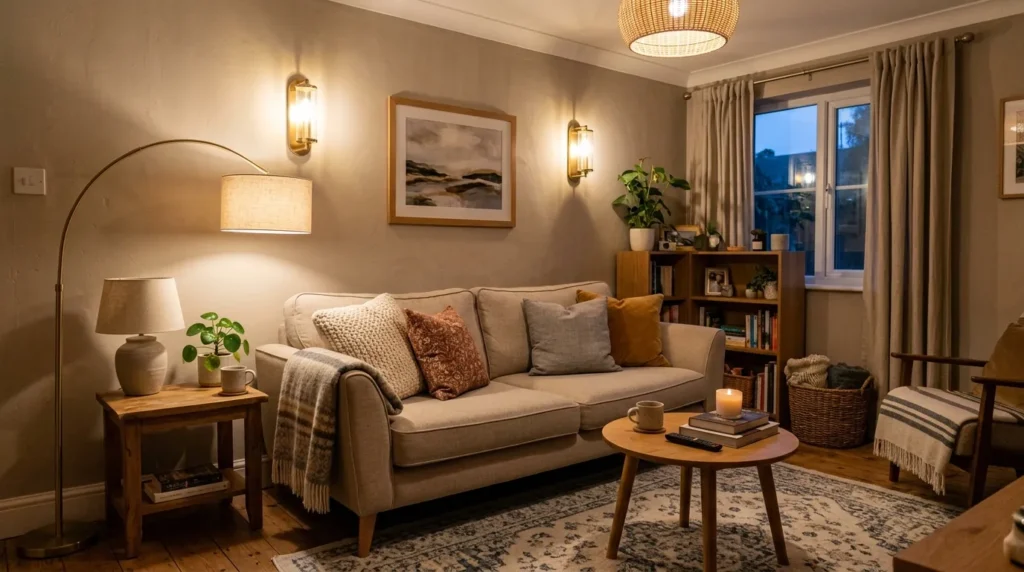
Layered lighting is crucial for making small rooms feel larger and inviting. Relying solely on ceiling fixtures can create flat, shadowed spaces, while combining floor lamps, table lamps, and wall sconces introduces dimension. I’ve noticed that layered lighting draws attention to textures, artwork, and furniture while creating a welcoming atmosphere. Warm bulbs between 2700K–3000K complement small spaces beautifully, softening corners and balancing the room visually. This approach also allows for flexible moods, from bright daytime lighting to cozy evening relaxation, enhancing both style and function in compact interiors.
Effective layering changes perception and usability. Accent lights highlight artwork or shelving, while task lighting provides focused illumination for reading or work. Dimmers enable flexible ambiance, supporting different activities without overwhelming limited space. Strategically placing lamps in corners, on shelves, or beside seating balances the visual layout and avoids clutter. Combined with reflective surfaces or light-colored walls, layered lighting can make compact areas feel more expansive, cozy, and thoughtfully designed, transforming small spaces into versatile, inviting environments.
2. Floating Shelves
- Maximizes vertical storage without floor clutter
- Provides display areas for decor and essentials
- Adds visual interest to empty walls
- Supports compact and organized layouts
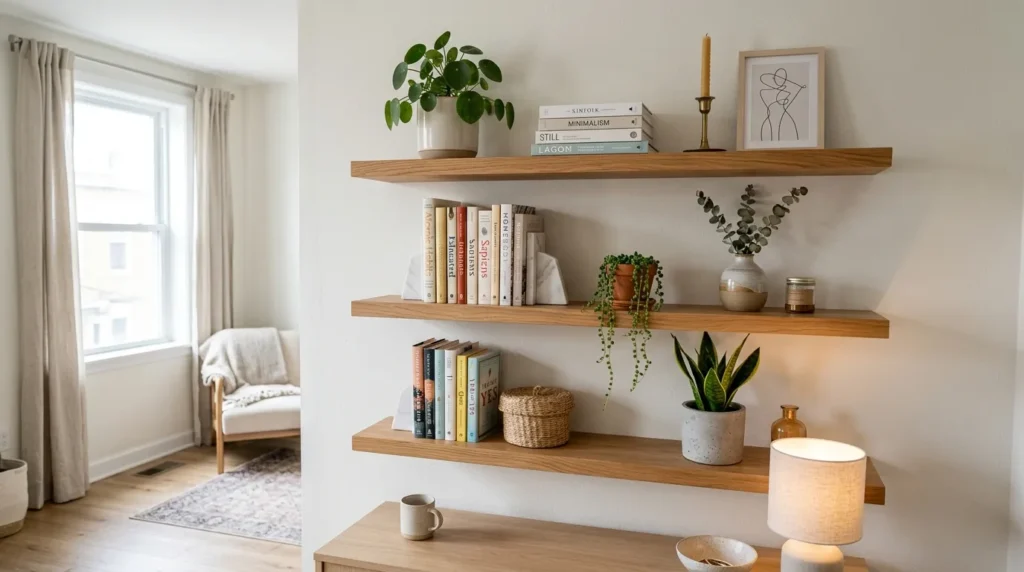
Floating shelves are a smart solution for small spaces because they free up floor area while offering storage and display surfaces. I’ve seen narrow apartments feel visually larger when multiple floating shelves were used for books, plants, or decor items. Materials like wood, metal, or glass add style while maintaining functionality. Staggered or asymmetrical arrangements create dimension, turning walls into eye-catching focal points without overcrowding. Floating shelves allow homeowners to showcase personal items while keeping surfaces uncluttered and rooms airy and organized.
Functionally, these shelves improve everyday usability by holding items that would otherwise take up precious floor space. Pairing decorative baskets, small plants, or artwork adds layered interest while hiding clutter. Vertical storage encourages a tidy environment and enhances the perception of openness. In multi-purpose rooms, shelves can delineate functional zones, making it easier to organize living, working, or dining areas. Floating shelves are a versatile, visually appealing, and practical solution for compact interiors.
3. Light-Colored Walls
- Reflects natural light for a larger appearance
- Complements minimal and layered decor
- Enhances visual openness in small spaces
- Works with bright or neutral color palettes
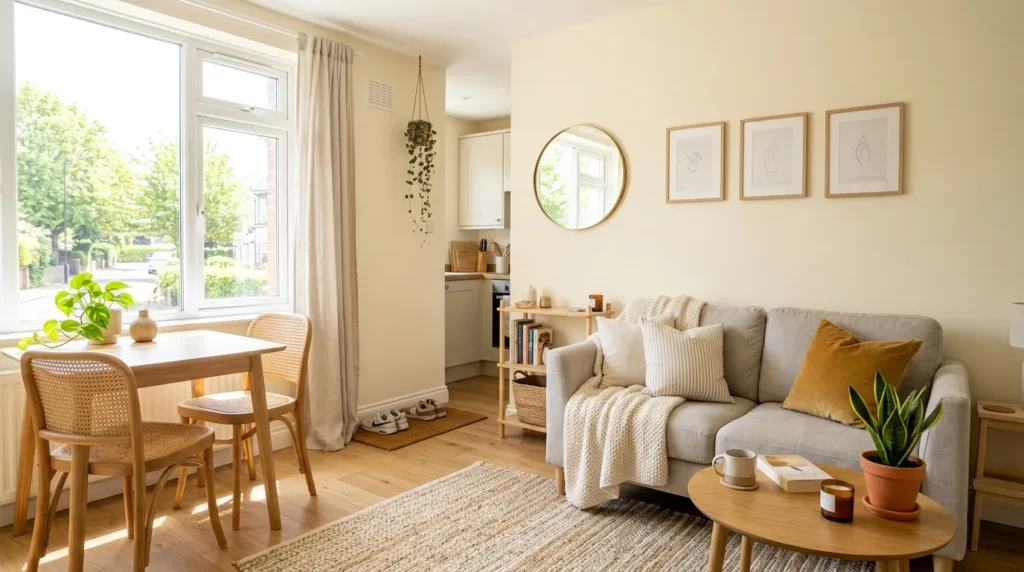
Light-colored walls are an essential design tactic for small spaces. Soft whites, creams, and pale pastels reflect natural light, brightening rooms and creating the illusion of expanded square footage. That’s why many interior designers recommend neutral or light shades for apartments or tiny homes. I’ve noticed that small rooms instantly feel airier when paired with warm accents, textured furniture, or soft textiles. Light walls also serve as a versatile backdrop for colorful decor elements, making styling more flexible without overwhelming limited space.
Light walls improve usability by acting as a neutral canvas for furniture, artwork, and decorative accents. They help accentuate layers of texture, like woven rugs, throws, or patterned pillows, without making the room feel busy. Reflective decor and mirrors perform better against light walls, further increasing perceived space. Additionally, pairing light walls with layered lighting enhances brightness and depth, allowing compact rooms to feel welcoming, airy, and thoughtfully styled while maximizing comfort and visual appeal.
4. Multi-Functional Furniture
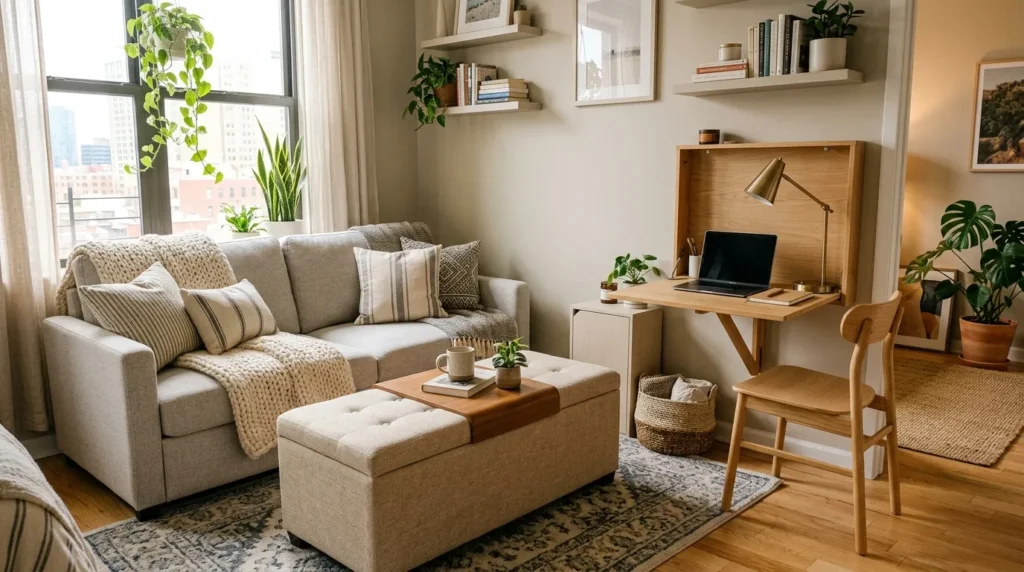
- Combines seating, storage, and workspace
- Saves floor space without sacrificing comfort
- Supports organization in compact layouts
- Enhances flexibility for multi-use rooms
Multi-functional furniture is essential in small homes where every inch counts. Pieces like storage ottomans, sofa beds, and foldable desks provide versatility while maintaining style. In my experience, combining practicality with aesthetic appeal is key: furniture should support daily life while complementing the room’s decor. Materials such as upholstered wood, metal frames, or durable fabric add both durability and design quality. Using multi-functional furniture ensures compact spaces remain open, organized, and comfortable without sacrificing visual appeal or usability.
From a practical perspective, these pieces allow rooms to serve multiple purposes seamlessly. A storage ottoman can function as seating, a table, and a container for blankets. A sofa bed doubles as a lounging area and sleeping option, while foldable desks create temporary workspaces. Multi-functional furniture improves movement and flexibility, making compact spaces adaptable for entertaining, working, or relaxing. The result is a small room that functions efficiently while feeling cozy, stylish, and uncluttered.
5. Mirrors for Depth
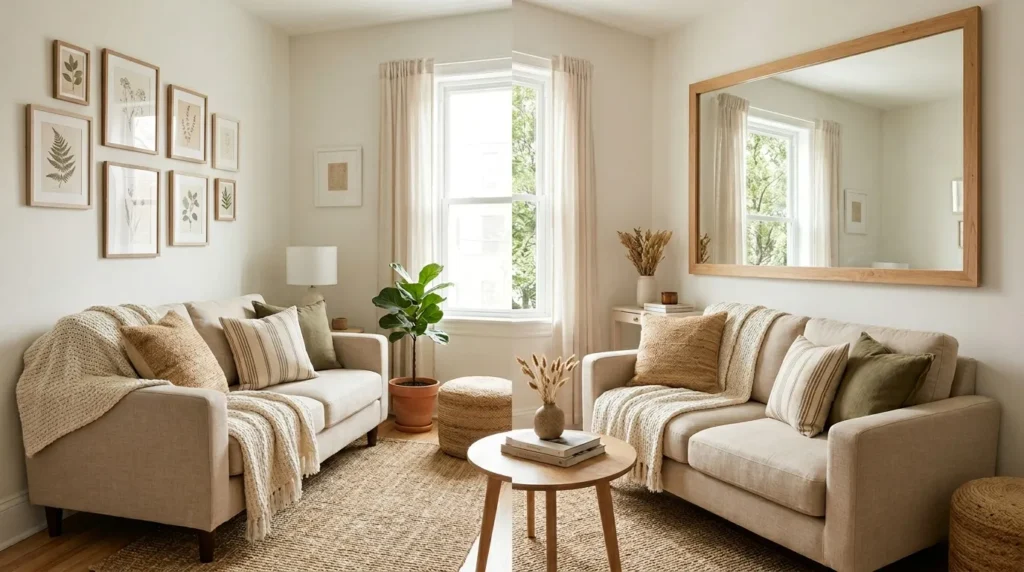
- Reflects light to create the illusion of space
- Highlights decor and architecture
- Works in bedrooms, hallways, or living areas
- Adds decorative appeal without bulk
Mirrors are a small-space design trick that dramatically enhances visual perception. Positioning mirrors opposite windows or light sources amplifies natural light, making rooms feel larger and more open. I’ve noticed that even a single framed mirror can transform narrow or compact areas, while doubling as a stylish accent piece. Frames in wood, metal, or minimalist designs add personality and complement decor styles. Mirrors are functional, aesthetic, and essential in compact interiors because they expand the visual footprint without taking up floor space.
Mirrors also improve usability by making navigation easier in tight areas and highlighting focal points in the room. Large statement mirrors or grouped small mirrors create visual layers and depth, adding sophistication to compact interiors. Placing mirrors near furniture or lighting enhances reflection and brightness, ensuring the room feels airy and balanced. Overall, mirrors maximize both aesthetic and functional aspects, transforming small rooms into bright, cozy, and visually appealing spaces.
6. Vertical Storage Solutions

- Utilizes wall height for storage efficiency
- Reduces floor clutter for compact layouts
- Adds decorative and functional layers
- Works with open shelving, hooks, or tall cabinets
Vertical storage solutions are critical in small spaces where floor area is limited. Utilizing walls for shelving, hooks, or tall cabinets keeps essentials accessible while freeing up walking space. I’ve seen tiny apartments become functional and stylish when items were stored vertically rather than horizontally. Materials like wood, metal, or acrylic support durability and design versatility. Vertical arrangements create visual layers, balancing function and aesthetics, and help maintain a clean, organized appearance in small rooms.
Functionally, vertical storage improves usability by providing multiple storage levels for everyday items. Hooks, shelving, and baskets allow for organized placement of books, accessories, or decorative pieces while maximizing floor space. Layering elements vertically also introduces visual depth, making rooms feel taller and more expansive. By combining decorative accents with practical storage, compact areas achieve a cozy, tidy, and functional environment that feels both open and thoughtfully designed.
7. Soft Textiles
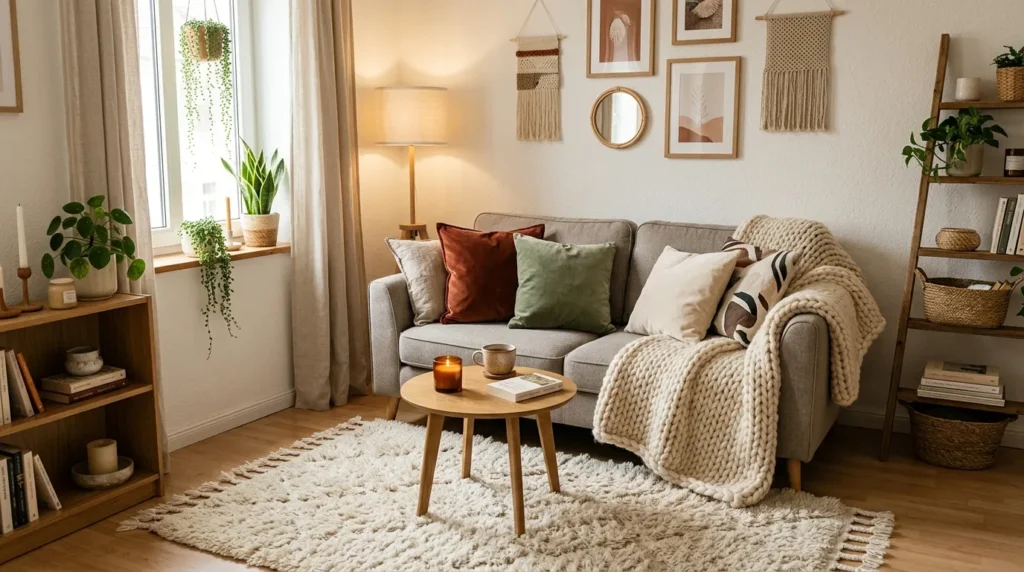
- Introduces warmth and tactile comfort
- Works with rugs, throws, and pillows
- Enhances visual layering in small rooms
- Complements color palettes and decor
Soft textiles are essential for creating cozy small spaces. Plush rugs, velvet cushions, and knit throws add warmth and depth, softening hard surfaces like wood or tile. I’ve noticed that layering textures prevents compact rooms from feeling sterile, while visually enriching them. Combining fabrics like wool, cotton, or faux fur creates contrast and interest without overwhelming space. Soft textiles also harmonize with color palettes, tying together furniture, decor, and accents to make small areas feel curated and inviting.
Textiles improve usability by defining functional zones and encouraging comfort. A plush rug can designate a seating area, while layered cushions and throws invite relaxation. They absorb sound and contribute to warmth, making rooms more pleasant for everyday activities. Additionally, seasonal textile swaps allow rooms to feel fresh and relevant year-round. Layering these elements creates depth, texture, and a welcoming atmosphere, transforming compact interiors into cozy, functional, and visually engaging spaces.