12 These Simple Cozy Decor Tips Make a Big Difference
Introduction
Creating a home that feels inviting and comfortable doesn’t require a complete overhaul. In the USA, homeowners increasingly seek interiors that are both functional and visually appealing, where every element contributes to warmth and personality. These simple approaches can transform ordinary rooms into cozy retreats that feel uniquely yours. From strategic furniture placement to layering textures and choosing the right lighting, each idea enhances comfort while maintaining style. By applying practical, hands-on techniques, you’ll save time, avoid costly mistakes, and craft spaces that are welcoming, visually rich, and easy to live in every day.
1. Layered Textures
Bullet Points
- Combines soft fabrics, woven materials, and natural fibers for depth.
- Enhances tactile comfort and visual richness in living spaces.
- Allows seasonal updates without full redesign.
- Works with both minimalist and eclectic interiors.
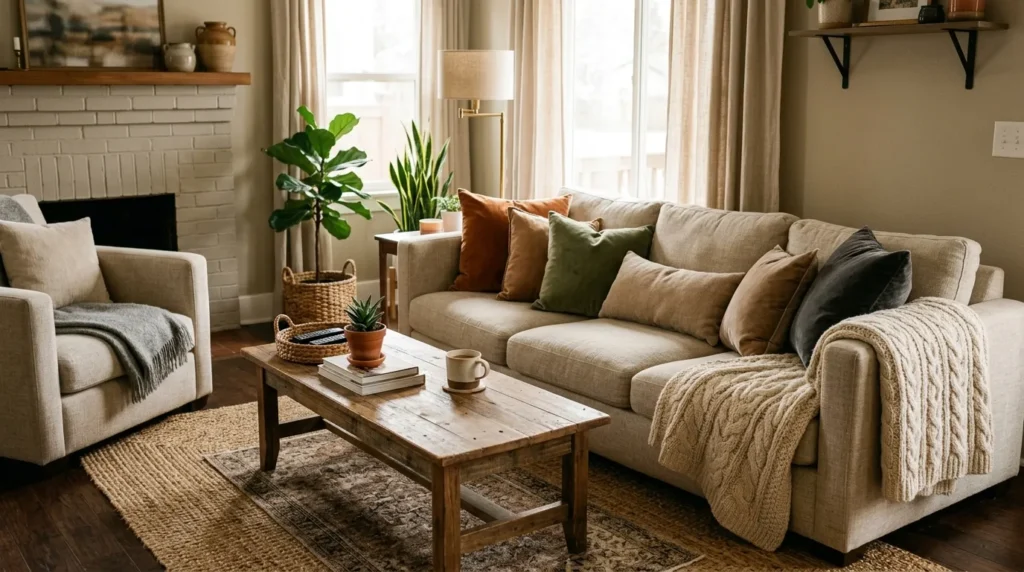
Layering textures adds immediate dimension and visual intrigue to any space. Combining materials like velvet pillows, knitted throws, wool rugs, and wooden furniture produces a tactile experience that invites touch and relaxation. I’ve noticed this approach transforms rooms from flat and static into dynamic and engaging environments. By carefully choosing complementary textures, you can maintain harmony while emphasizing comfort. Using a mix of hard and soft materials balances aesthetics, and even subtle layering creates cozy pockets within living areas. This technique is effective for sofas, beds, and reading nooks where comfort meets visual interest.
In addition to style, layered textures improve usability and seasonal adaptability. For example, swapping lightweight cotton throws for heavier wool during winter adds warmth without redesigning the room. Layering rugs, pillows, and curtains contributes to a multi-dimensional aesthetic that feels intentional. This method also allows homeowners to experiment with color and pattern in small doses, making updates low-risk and high-impact. Over time, layered textures define zones, highlight focal furniture, and create a welcoming sensory experience, blending comfort, style, and function seamlessly in everyday life.
2. Warm Lighting
Bullet Points
- Use amber or soft white tones for intimate ambiance.
- Combine floor lamps, table lamps, and ceiling fixtures for layered lighting.
- Highlight key areas or artwork with accent lights.
- Dimmers provide control for mood and practicality.
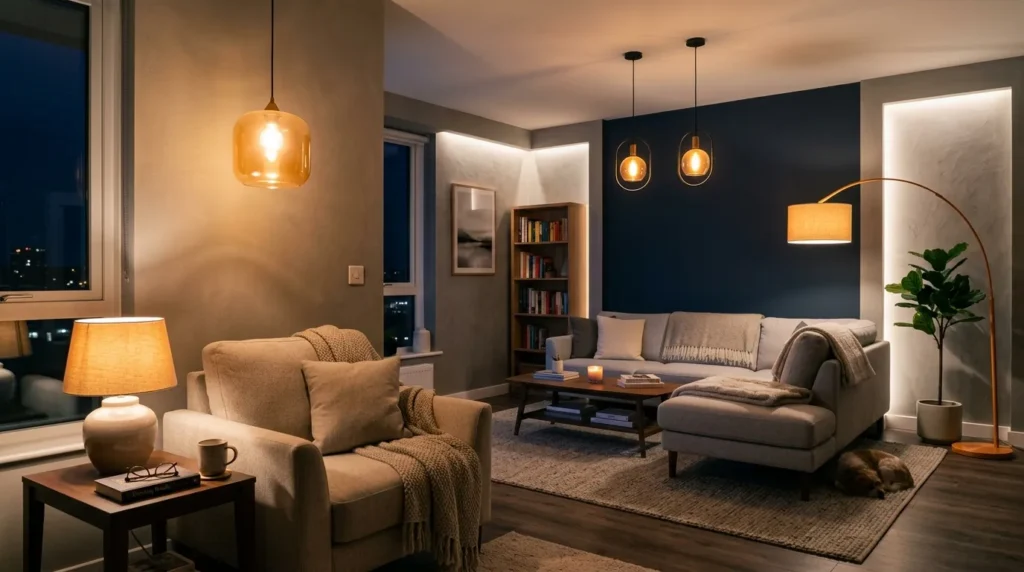
Lighting can completely redefine how a space feels. Warm lighting with amber tones enhances coziness and makes rooms feel intimate and inviting. I’ve seen many American homes improve instantly with strategically layered lighting, including floor lamps, table lamps, and pendant fixtures. Proper placement creates depth and highlights textures, furniture, and décor features. Avoid harsh overhead lights that flatten visual appeal. Incorporating dimmers allows homeowners to adjust ambiance for different occasions, whether entertaining, relaxing, or working. Soft, layered lighting balances function with aesthetic charm while enhancing overall comfort.
The practical effect of warm lighting is both psychological and functional. Accent lights draw attention to artwork, plants, or shelves, creating focal points while softening the atmosphere. Table lamps beside seating areas provide comfortable reading light without overwhelming brightness. This approach also supports energy efficiency when used with LED bulbs. Warm, well-placed illumination can enhance textures, highlight color palettes, and make furniture appear more inviting. It’s a simple yet transformative element, allowing homeowners to enjoy cozy, flexible lighting that adapts to daily routines and seasonal needs while elevating the overall interior experience.
3. Natural Elements
Bullet Points
- Incorporate plants, wood, and stone for organic appeal.
- Improves air quality and connection to nature.
- Softens rigid furniture lines and geometric patterns.
- Blends effortlessly with most color schemes and textures.
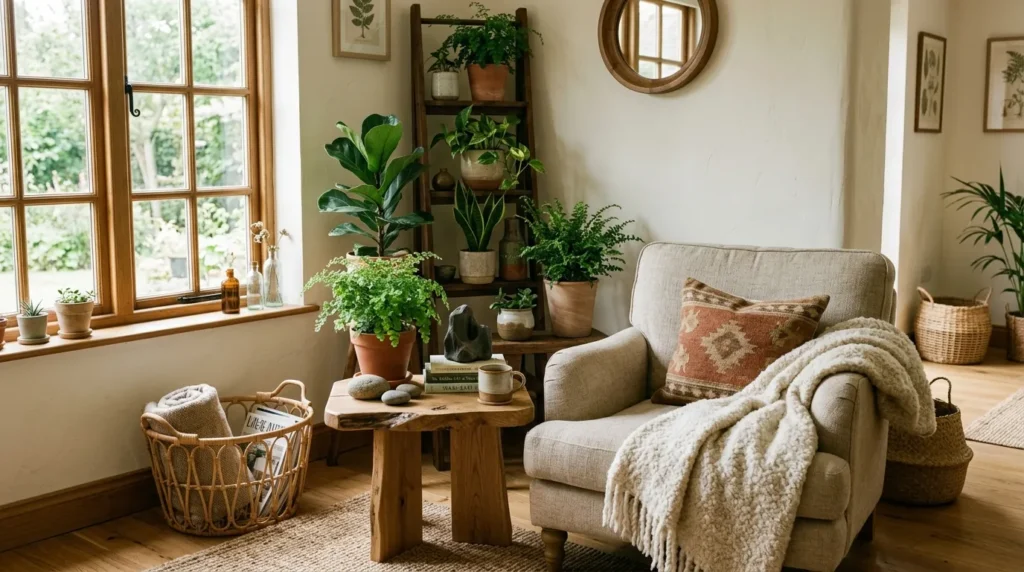
Natural elements infuse a home with calmness and vitality. Adding greenery, wooden furniture, stone accents, or woven baskets introduces organic shapes that soften rigid lines and modern furniture. In my experience, these elements create a grounding effect, making spaces feel lived-in and connected to the outdoors. Even small details, such as driftwood sculptures, potted plants, or a stone tray, can transform a room’s aesthetic. By integrating natural textures, you introduce subtle contrasts that elevate both visual appeal and tactile experience, helping interiors feel more approachable, balanced, and relaxing.
Natural elements also enhance usability and spatial harmony. Wooden shelves or tables offer durability and warmth, while indoor plants improve air quality and provide sensory engagement. Materials like stone and clay add texture without overwhelming the palette, complementing textiles like linen or wool. These touches work well across living rooms, kitchens, or bedrooms, creating a versatile foundation for styling. Organic accents can serve as focal points or subtle complements, enriching the visual story while promoting well-being. This method achieves a balance of aesthetics, function, and comfort that feels effortless and enduring.
4. Strategic Color Palette
Bullet Points
- Focus on 2–3 main colors with subtle accents.
- Use muted tones for walls and furniture, bright accents sparingly.
- Layer textures and patterns instead of bold color clashes.
- Easy seasonal updates with small decor changes.
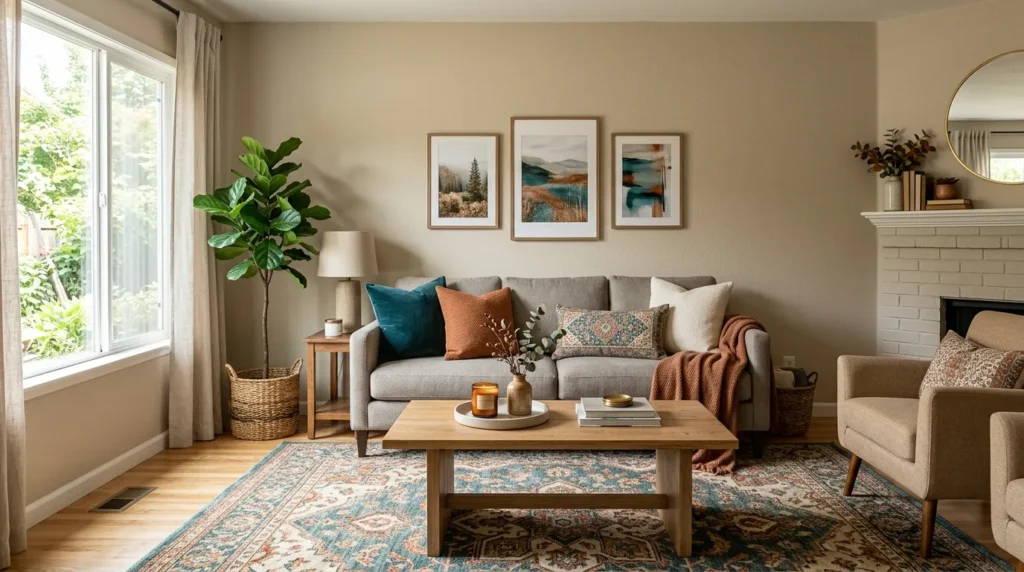
Color shapes mood and guides visual perception in any home. Selecting a strategic palette ensures cohesion and prevents visual chaos. In many homes I’ve worked with, pairing a neutral base with accent hues enhances both sophistication and comfort. Muted wall tones provide versatility, while pillows, rugs, and accessories introduce personality. Layering shades thoughtfully creates harmony without overwhelming the senses. This approach is ideal for open-concept layouts where color consistency ties multiple zones together, enhancing spatial flow and aesthetic balance.
A strategic palette also simplifies styling and seasonal refreshes. For example, a beige sofa can pair with teal cushions in summer and rust-toned throws in fall. Accent colors add vibrancy, while neutrals maintain calmness. Thoughtful color choices highlight architectural details, complement lighting schemes, and emphasize textures effectively. This method allows for flexible design, making seasonal or small-scale changes impactful. Homeowners benefit from cohesive, visually pleasing interiors where every element feels intentional, comfortable, and inviting, enhancing both function and style in daily life.
5. Functional Furniture
Bullet Points
- Prioritize multi-purpose items like storage ottomans or modular sofas.
- Use durable, easy-to-clean materials for everyday life.
- Modular or movable furniture allows flexible layouts.
- Balance comfort with visual style in all seating and surfaces.
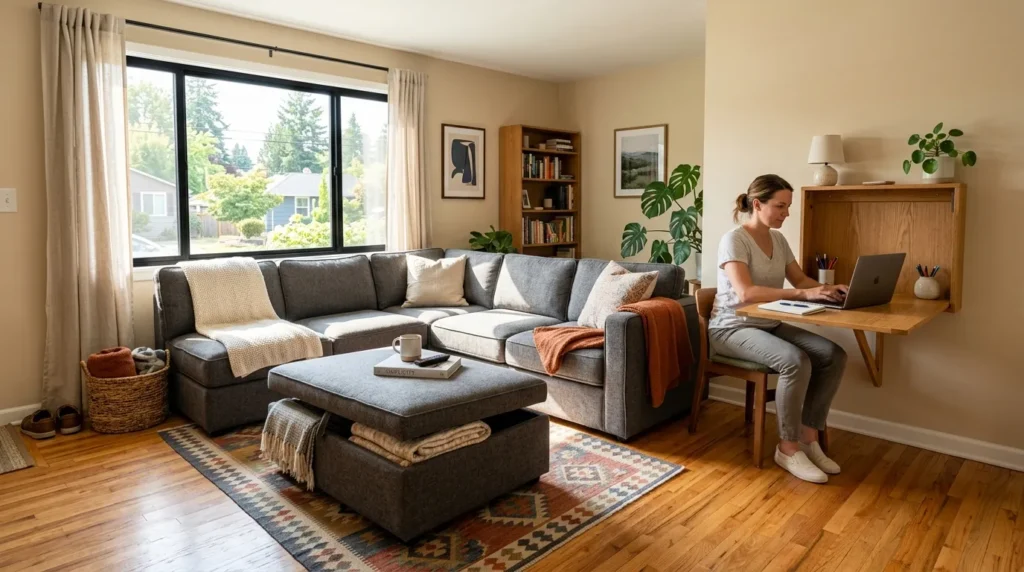
Furniture should serve both style and daily living needs. Functional pieces like storage benches, foldable desks, and sectional sofas maximize utility without sacrificing aesthetics. I’ve noticed rooms instantly improve when furniture balances comfort, durability, and design. Quality materials like engineered wood, stain-resistant fabrics, or solid wood ensure longevity. Modular layouts support adaptable spaces, accommodating gatherings, work-from-home setups, or changing needs. Strategic placement also enhances traffic flow and usability, ensuring every piece contributes to both form and function in practical ways.
Beyond practicality, functional furniture transforms a room’s flexibility and visual appeal. A storage ottoman doubles as seating, while a sectional with movable pieces allows rearrangement for family activities or entertaining guests. Material choices impact texture, warmth, and style cohesion. Combining form and function ensures spaces feel intentional yet relaxed, supporting everyday life. Functional furniture reduces clutter, defines zones, and provides comfort where it matters most. Thoughtful selection and arrangement allow homeowners to enjoy a polished, versatile interior that meets lifestyle needs without compromising aesthetics or cozy ambiance.
6. Layered Rugs
Bullet Points
- Mix sizes, textures, and patterns for depth.
- Define seating zones or pathways in open layouts.
- Adds warmth, softness, and acoustic comfort.
- Complements both neutral and colorful palettes.
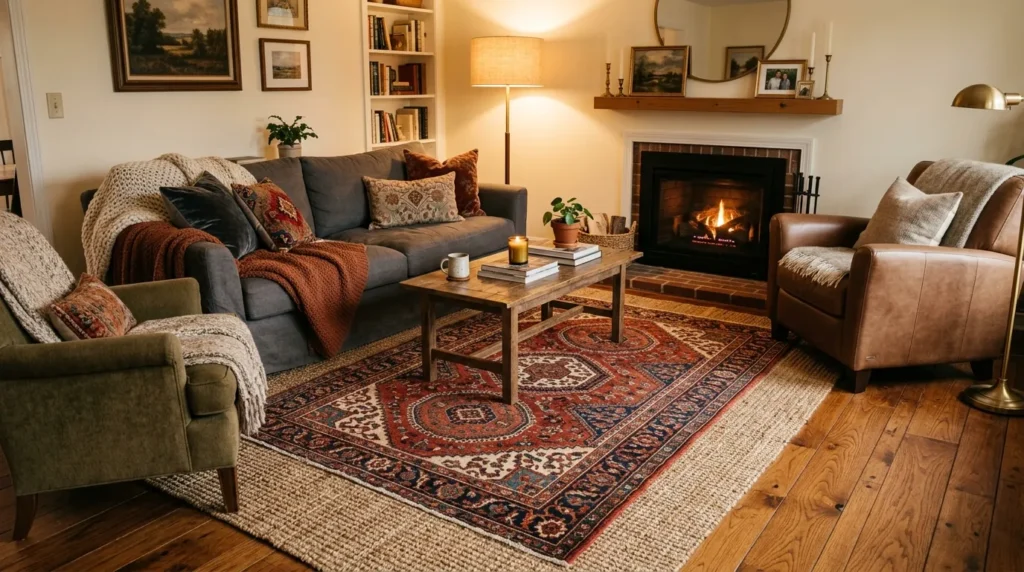
Layered rugs elevate both visual and tactile comfort. Using multiple rugs in different sizes and textures creates dimension while anchoring furniture arrangements. In many USA homes, layering a patterned rug over a neutral base enhances interest and delineates zones. Soft textures like wool, jute, or cotton contrast with hardwood or tile floors, adding warmth and reducing noise. The layered effect also allows flexibility in styling—rugs can be rotated seasonally or changed with evolving trends. This approach supports a cohesive aesthetic while offering practical benefits for comfort and space definition.
Layered rugs also improve usability and spatial clarity. In open-plan living rooms, a layered rug can demarcate the seating area, preventing visual clutter. Mixing textures adds subtle contrast, highlighting furniture and decor accents without overpowering the room. Proper placement enhances safety, warmth, and comfort underfoot, while patterns draw attention to focal points. This technique works in bedrooms, offices, or dining areas, creating visual layers that invite touch and interaction. Homeowners gain a flexible, functional, and cozy foundation for interiors that balances style, warmth, and practicality seamlessly.