
Airbnb Tips for First-Time US Travelers on a Budget
Traveling to the United States for the first time can feel exciting and overwhelming, especially when you are trying to manage expenses carefully. Accommodation is usually one of the biggest travel costs, but choosing Airbnb can help you stay comfortable while keeping your budget under control. With the right planning, smart booking strategies, and attention to location, you can save significantly without sacrificing safety or convenience. From understanding service fees to selecting neighborhoods wisely, these Airbnb tips for first-time US travelers on a budget will help you enjoy a stress-free and affordable stay across popular American destinations.
1) Filter for “Entire Place” vs “Private Room” (Know Your Savings)
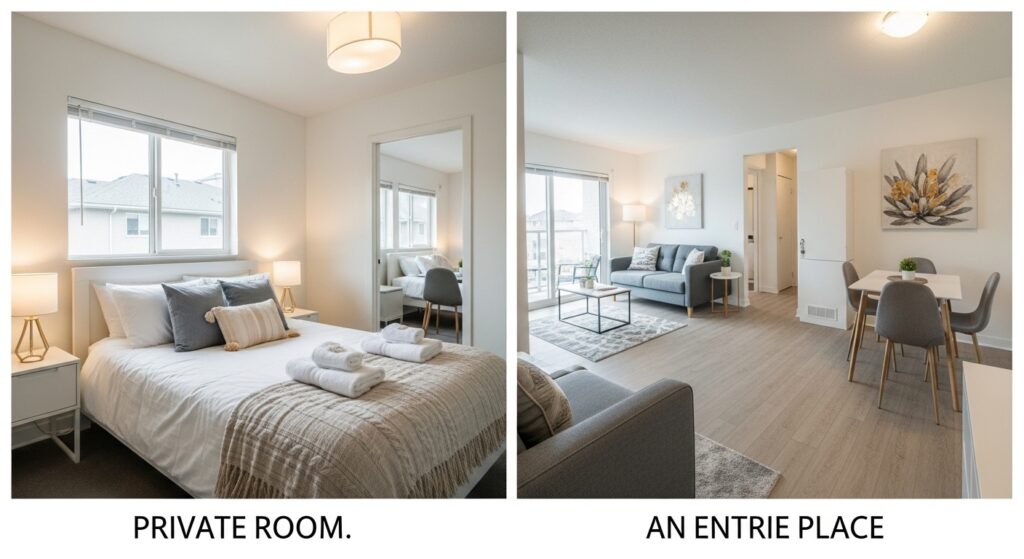
When booking accommodations, understanding the difference between “Entire Place” and “Private Room” options is key to maximizing savings. An “Entire Place” gives you the full space to yourself, offering complete privacy and freedom. While it may be more expensive, it provides a home-like experience, perfect for longer stays or families. On the other hand, a “Private Room” within a shared space can offer significant savings, as you’re only paying for your individual room, while sharing common areas with others. This is a great option for solo travelers or those on a budget.
By carefully considering your priorities, you can choose the best option for your needs. If you’re looking for privacy and don’t mind the extra cost, an “Entire Place” is ideal. However, if you’re looking to save money and are comfortable with shared spaces, a “Private Room” could be the perfect fit. It’s all about balancing comfort with budget, ensuring a fulfilling stay while keeping costs in check.
2) Set a Total Budget Using “Price Display” with Fees
For first-time US travel, the biggest Airbnb mistake is budgeting off the nightly rate alone. Always switch to a view that shows total cost (or manually add fees) so you don’t get surprised by cleaning fees, service fees, and taxes. This one habit keeps your trip realistic from day one. Build your lodging budget as a total for the whole stay, then divide by nights to compare listings fairly across neighborhoods.
When you compare options, keep a simple rule: if the total price pushes you to cut food, transit, or activities, it’s not actually a deal. Make a short list of “must-haves” (safe area, good reviews, solid Wi-Fi) and remove everything else. You’ll find a better budget stays faster. Screenshot totals of your top 3 options so you can decide quickly without re-checking every detail.
3) Use the Map View to Avoid “Cheap but Far” Traps
A cheap Airbnb can become expensive if it forces rideshares, long transfers, and extra commute time. Use the map to check how far you are from your real plans: downtown, attractions, friends, or event venues. First-time US travelers often underestimate distances—US cities can be spread out. A slightly higher nightly rate in a better area can save money daily on transport, plus save energy and time.
Pin your top 3 neighborhoods first, then search inside those boundaries. Look for “walkable” zones near transit lines or safe main streets. After finding a listing, open a maps app and estimate the cost/time to your top places in the morning and evening. If it looks inconvenient, keep scrolling. A budget win is a stay that reduces transport costs, not one that looks cheap on paper.
4) Book Longer Stays for Weekly/Monthly Discounts
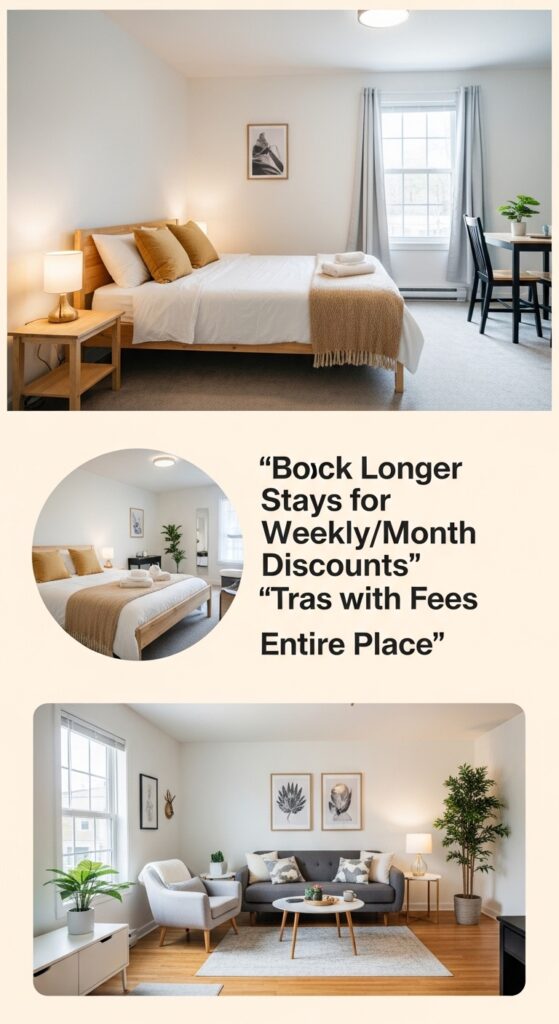
Airbnb often offers weekly or monthly discounts, and first-time travelers can use this to stretch a budget. If your trip is flexible, consider staying 7 nights in one place instead of moving every 2–3 nights. You’ll cut cleaning fees, reduce transport costs, and avoid extra check-in stress. This works especially well in big US cities where the savings can add up quickly. It also helps you travel slower and spend less overall.
Try searching with your full travel dates first, then split into two longer stays instead of many short ones. Compare totals, not nightly rates. Longer stays also let you cook more meals, do laundry, and avoid expensive “emergency purchases.” If you need variety, choose a neighborhood that has day-trip options nearby. One smart base can create a whole itinerary without constant moving.
5) Read Recent Reviews First (Last 6–12 Months)
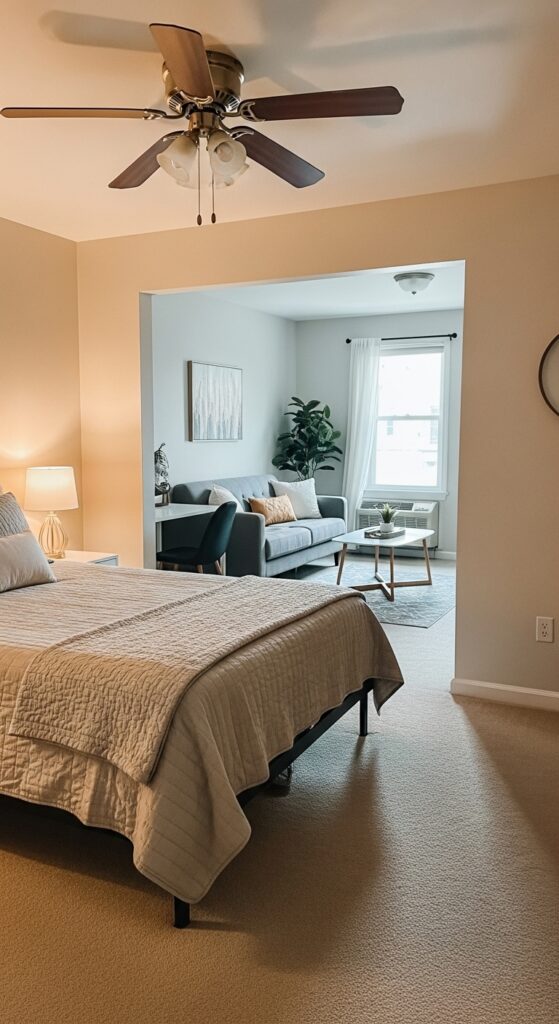
For budget travelers, reviews are your safety net. Start with the most recent reviews because they reveal what the place is like right now—noise, cleanliness, host responsiveness, and any changes from older photos. First-time US travelers should prioritize listings with consistent recent feedback, even if the decor is simple. A cheaper stay isn’t worth it if you feel unsafe, can’t sleep, or end up spending money fixing problems.
Scan for repeated keywords: “clean,” “quiet,” “accurate,” “easy check-in,” and “safe area.” If you see multiple mentions of pests, thin walls, weird smells, or surprise fees, skip it. Also check if the host responds to negative reviews respectfully—that’s a good sign. Save listings with detailed, balanced reviews, not only short “great place!” comments. The goal is reliability, not perfection.
6) Watch for Hidden Fees: Cleaning, Parking, Extra Guests

Budget travelers get hit hardest by hidden costs. Always check cleaning fees, taxes, parking charges, resort-like building fees, and extra guest charges. In many US cities, parking can cost as much as a meal every day, so “free parking” can be a major win if you have a car. Also check if laundry is paid, if late check-in costs extra, or if you’ll be asked to do extensive cleaning on top of the fee.
Before booking, read the listing “house rules” and “additional fees” sections like a contract. If you’re traveling with friends, confirm the guest count matches your group—some hosts charge extra per person. If you need parking, message the host directly and ask for the exact situation: street parking or paid garage. A true budget stay is one with predictable total costs, not surprise charges.
7) Message the Host with 3 Quick Questions
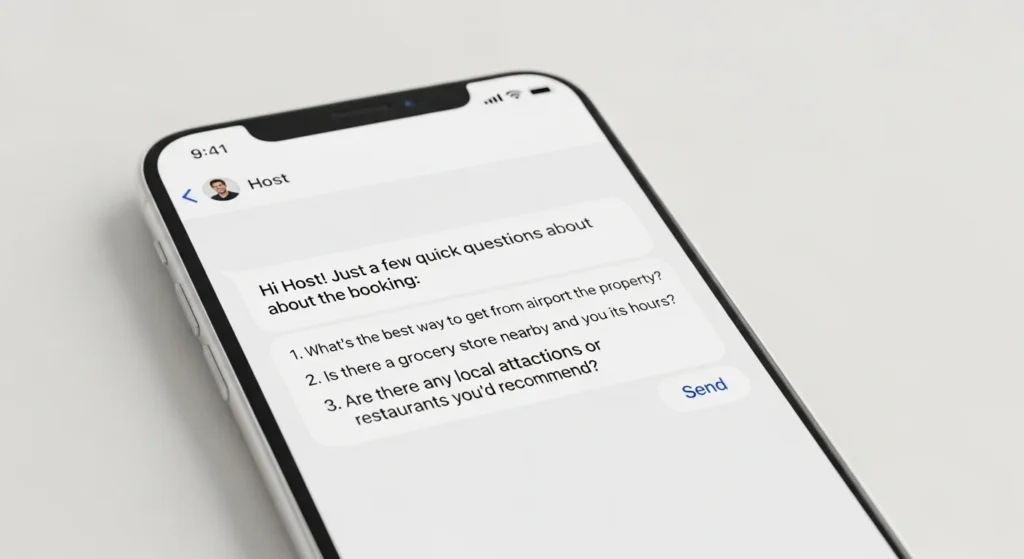
First-time travelers can avoid most Airbnb headaches by messaging the host before booking. Keep it short and friendly: ask about check-in timing, Wi-Fi speed (if you need it), and noise level at night. These three things affect your comfort and your budget because poor sleep or bad Wi-Fi can lead to extra spending. A responsive host is often a sign of a smoother stay, especially if anything goes wrong.
If the host replies clearly and quickly, you’re likely in good hands. If they ignore you or give vague answers, that’s a signal to choose another listing. Also ask about any construction nearby or shared spaces if you’re booking a room. Screenshot the host’s answers for reference. This small step can save you from arriving tired and stressed—and spending money to fix a situation that could have been avoided.
8) Prioritize Superhosts and “Guest Favorite” Badges
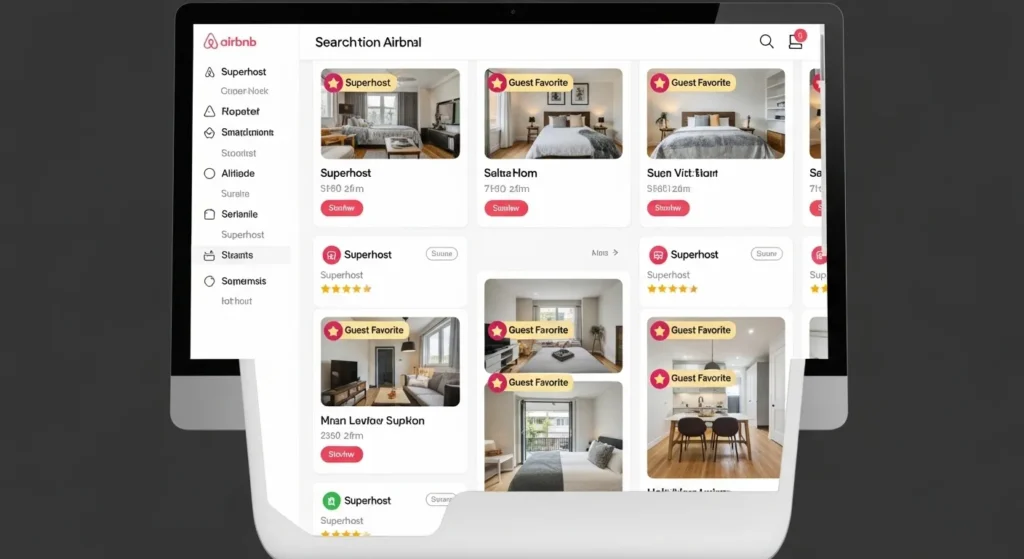
When you’re new to Airbnb, reliability matters more than trendy aesthetics. Superhosts and highly rated “guest favorite” style listings often provide smoother check-ins, cleaner spaces, and clearer communication. These are the details that keep you from spending extra on last-minute hotel backups or problem-solving during your trip. You can still find budget-friendly stays in this category—especially if you book early or choose a smaller space.
Use badges as a filter, then compare total price and location. If two listings are similar, pick the one with stronger consistency in reviews, even if it costs a little more. That “small extra” is often cheaper than travel stress. Budget travel is not just about low prices—it’s about low risk. A dependable host and accurate listing can protect your time, safety, and money.
9) Choose Transit-Friendly Locations Over Trendy Ones
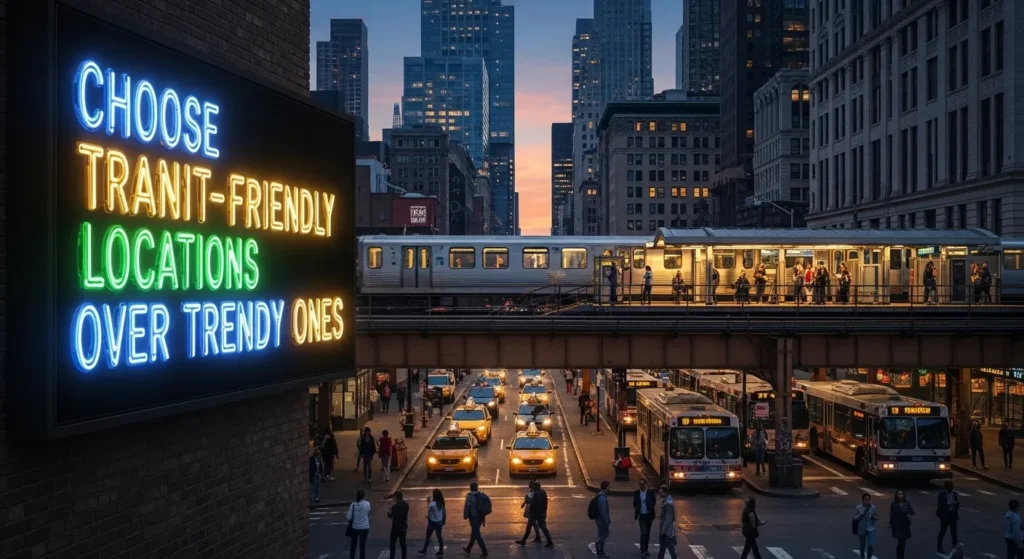
In the US, transit access can make or break your budget—especially in large cities. A place near a subway/metro line or major bus route can save you hundreds on rideshares. Trendy neighborhoods are fun, but if they’re far from transit or your main plans, you’ll pay for it daily. For first-time travelers, the safest budget move is booking where you can easily get around without a car.
Check walking time to a station and the number of transfers to your top attractions. A direct line beats a “cool area” with complicated routes. Also consider grocery access, coffee spots, and late-night safety—being able to walk home easily matters. Pin a few transit-friendly neighborhoods and search there first. Your itinerary will feel smoother, and your daily spend will stay predictable.
10) Look for Kitchen Access to Cut Food Costs

A kitchen doesn’t need to be fancy to save you serious money. Even basic access—fridge, microwave, kettle—helps you avoid expensive breakfast and late-night snacks. For first-time US travelers, food costs can be a shock in big cities, so lodging with a kitchen is like a built-in discount. Plan to cook only once a day (breakfast or simple dinner) and you’ll feel the savings quickly.
For photos and planning, think simple: oatmeal, fruit, sandwiches, pasta, or salads. Choose listings with clear kitchen photos and reviews mentioning “well-stocked” or “easy to cook.” If you’re booking a private room, confirm you can use the kitchen and what hours are allowed. A kitchen-friendly Airbnb turns your trip into a more relaxed routine instead of nonstop spending on meals.
11) Check Laundry Options to Avoid Extra Fees
Laundry access is a hidden budget superpower—especially on longer trips. If you can wash clothes mid-trip, you pack lighter and avoid paid laundromats or pricey hotel services. For first-time US travelers, this helps you stay flexible without buying extra clothes. Look for listings that clearly state washer/dryer access and read reviews to confirm it’s actually available and working.
If laundry is shared, ask about hours and cost. Some buildings have coin-operated machines; others include free in-unit laundry. Bring a small pack of detergent sheets so you’re ready. Laundry also saves time: one wash day can reset your whole trip routine. When comparing listings, treat laundry like a value feature—sometimes it’s worth paying a little more upfront to save money (and hassle) later.
12) Avoid Brand-New Listings Unless Risk Is Worth It

New listings can sometimes be cheaper, but they come with more uncertainty—especially for first-time Airbnb users. With no review history, you can’t confirm cleanliness, noise, safety, or whether photos match reality. If your budget can’t handle backup plans, choose proven listings instead. In the US, a simple, well-reviewed place is usually the safest choice for comfort and peace of mind.
If you do consider a new listing, message the host and ask for extra details and confirmation photos. Check if the host has reviews from other properties—this reduces risk. Also book only if cancellation terms are flexible. Your goal is a stress-free trip, not a gamble. Budget travel works best when it’s predictable, and reviews are how you buy predictability without paying luxury prices.
13) Pick Flexible Cancellation When Possible
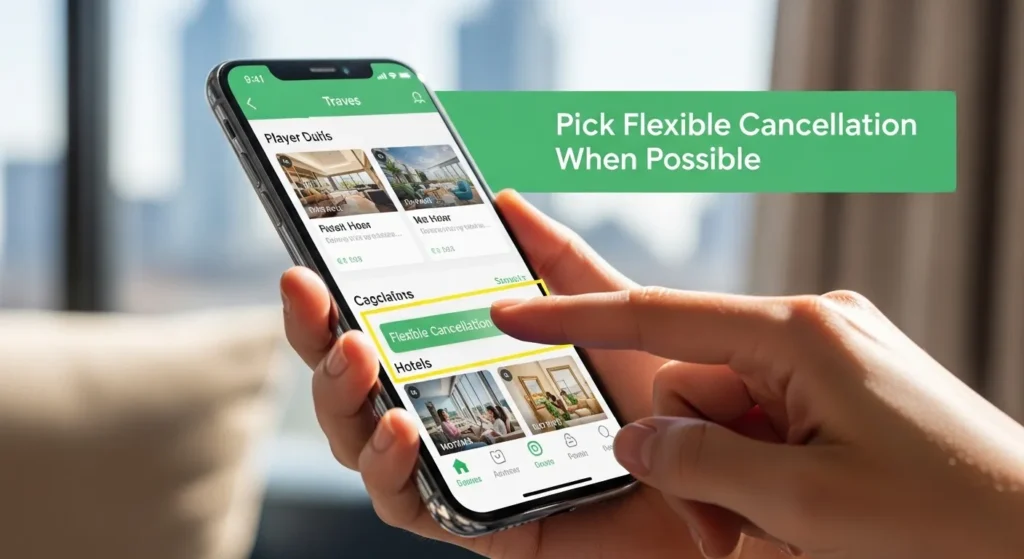
Flexible cancellation can protect your budget when plans shift—flight changes, weather, or moving your itinerary. First-time US travelers often adjust routes once they understand distances and transit. A flexible policy gives you room to adapt without losing money. Even if it costs slightly more, it can be worth it if you’re unsure about neighborhoods or exact dates.
Before booking, read the cancellation policy carefully and screenshot it. Also note check-in windows—late arrivals can create stress if rules are strict. If your trip includes multiple cities, flexible bookings help you change stays if needed. Think of flexibility as travel insurance for your lodging budget. It reduces panic decisions and prevents you from paying twice if you need to switch. Comfort and control are part of budget travel too.
14) Use “Save/Favorites” to Track Price Drops
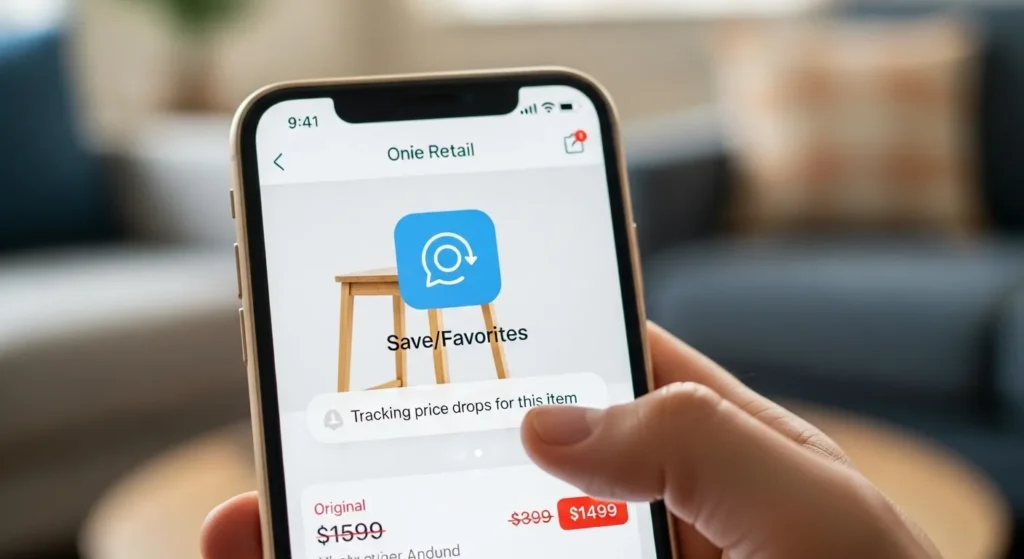
Saving listings is not just for dreaming—it’s a strategy. Create a short favorites list (10–15 options) in your target neighborhood and check back for price changes, new discounts, or better options. This is especially useful for first-time travelers who are still learning where they want to stay. Watching the market for a few days helps you avoid overpaying and gives you a clearer sense of what’s “normal” for that city.
Organize your saved list by category: “best location,” “best value,” “private room backup,” and “kitchen win.” Then compare totals again before booking. If a listing disappears, you’ll still have backups. Budget travel feels less stressful when you have options ready. Favorites also help you spot the difference between a true deal and a listing that only looks cheap until fees are added.
15) Check Safety Signals: Lighting, Entry, Reviews Mention “Safe”
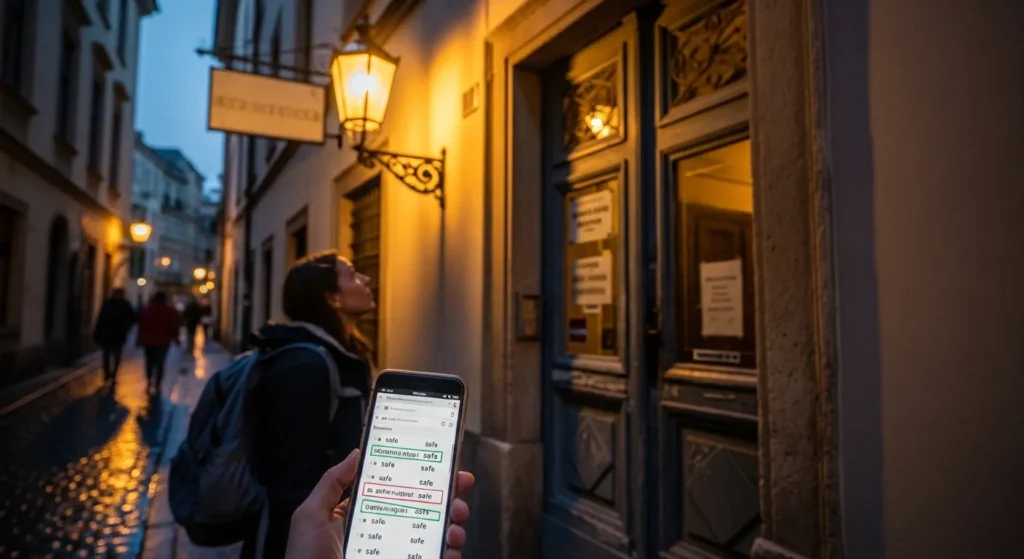
Safety is part of budgeting because unsafe areas often lead to extra spending on rideshares, last-minute hotels, or changing plans. For first-time US travelers, pick listings with clear entry details (good lighting, secure locks, easy access). Reviews matter here—look for repeated mentions of “felt safe,” “quiet,” and “easy to get around.” If reviews mention break-ins, sketchy blocks, or constant noise, skip it.
Use street view to check the surrounding area and how close the listing is to main streets and transit. Avoid places that require long dark walks at night. If you arrive late, prioritize keyless/self check-in in well-lit buildings. Message the host about entry and neighborhood safety if you’re unsure. Peace of mind is a budget win because it keeps your trip smooth and your spending controlled.
16) Confirm the Bed Setup (Sofa Beds Can Be a Budget Trap)
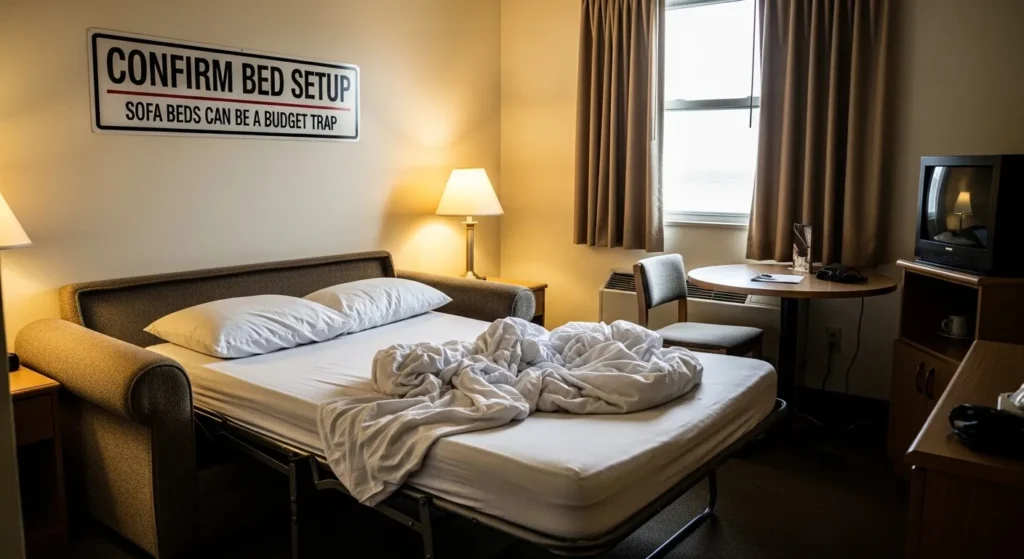
A listing can look perfect until you realize the “bed” is a sofa bed or an air mattress. For first-time travelers, sleep quality matters because a bad night can ruin your itinerary and push you to spend more on coffee, transport, or last-minute changes. Always confirm what you’re actually sleeping on, especially for groups. If you need two real beds, filter for it and read reviews carefully.
Zoom into photos and read the “sleeping arrangements” section. If anything is unclear, message the host and ask directly. Also check if the place is on a noisy street—sleep issues stack up fast. A budget tip: a smaller place with a real bed often beats a bigger place with uncomfortable sleep. Your goal is rest, not square footage. Good sleep keeps your trip cheaper and happier.
17) Avoid Listings with Too Many “Rules” (Hidden Hassle)

Some rules are normal, but an overly strict listing can feel stressful—especially for first-time travelers. If rules are intense (lots of fines, harsh language, too many restrictions), the stay may be more hassle than it’s worth. Stress often leads to spending: you leave early, avoid using the space, or book elsewhere. A good budget Airbnb should feel simple and welcoming, not like you’re walking on eggshells.
Read the rules before booking and watch for things like excessive quiet-hour demands, complicated check-out cleaning, or strict guest limits that don’t match your needs. If check-out chores are long, you’re paying a cleaning fee and still doing the work. Choose listings with clear, reasonable expectations. Budget travel is about smooth routines. A calm stay gives you energy for the trip and keeps your spending on experiences—not problem-solving.
18) Choose Self Check-In for Late Flights (Budget-Friendly Flexibility)
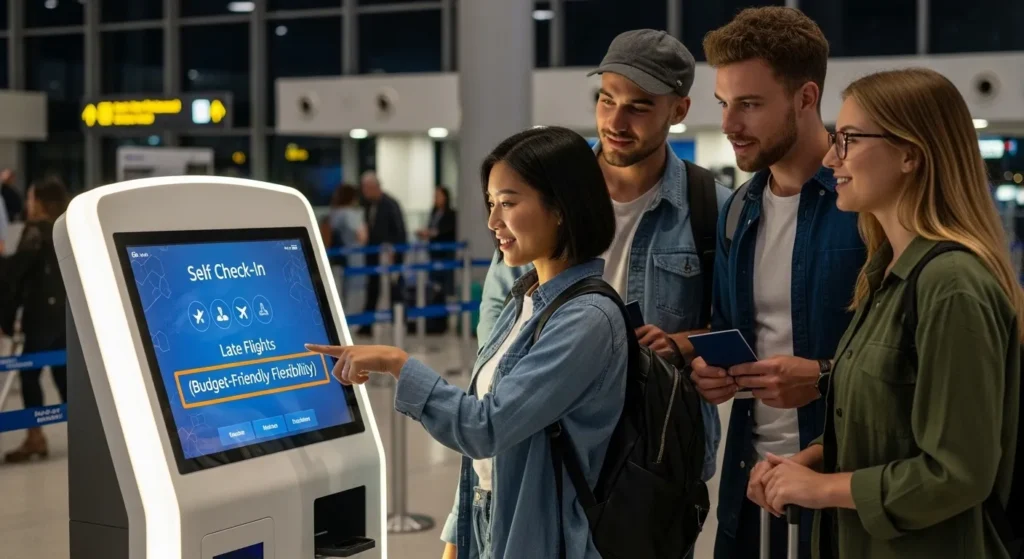
Late arrivals are common in US travel, and self check-in can save you stress and money. If a host requires in-person check-in with limited hours, you might end up paying extra for early arrival storage or forced schedule changes. Self check-in gives you flexibility if flights are delayed. This is especially helpful in big cities where traffic or transit delays can throw off your timing. It’s one of the best “first-time traveler” filters to use.
Look for keypad entry, lockbox, or smart lock details and confirm in reviews that it works smoothly. Ask the host how they handle late arrivals and what to do if a lockbox code fails. A reliable self check-in means you can go straight to sleep without stress. Budget travel works when your logistics are easy. Smooth arrival is the first win of the whole trip.
19) Compare Airbnb vs Budget Hotels for 1–2 Nights
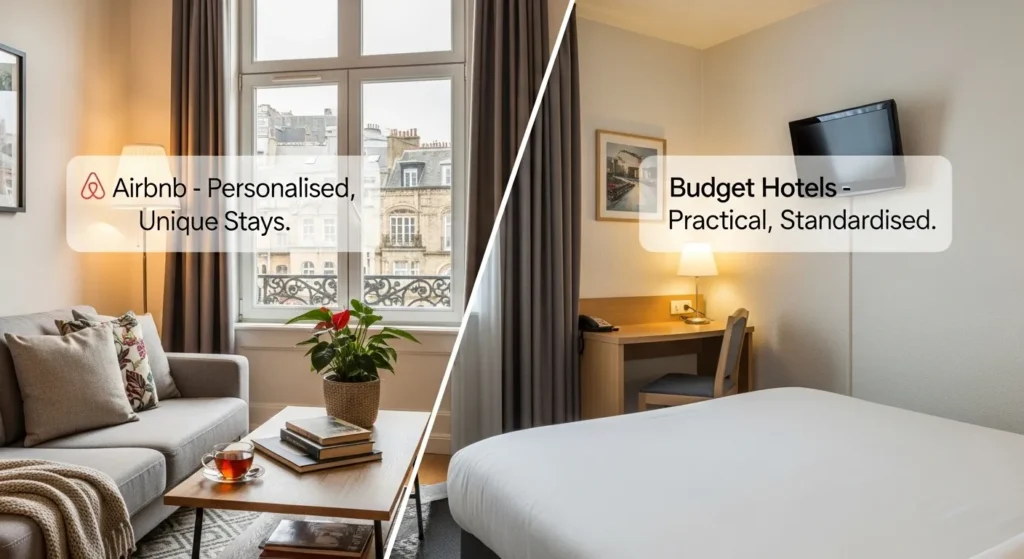
Sometimes Airbnb isn’t the cheapest choice for short stays because fees hit harder on 1–2 nights. For first-time US travelers, it’s smart to compare a budget hotel in the same area before booking. Hotels may include free breakfast, luggage storage, and daily housekeeping—benefits that can reduce spending elsewhere. Airbnb often wins for kitchens and longer stays, but hotels can win for quick stops or tight itineraries.
Do a quick comparison using total cost per night including fees. If the hotel includes breakfast and saves you $15–$25 per day, that can change the math. Also consider check-in simplicity and cancellation flexibility. A smart strategy is mixing both: hotel for short city hops, Airbnb for longer bases. The best budget plan is the one that fits your trip structure, not a loyalty to one platform.
20) Take Photos on Arrival (Protect Your Deposit & Time)
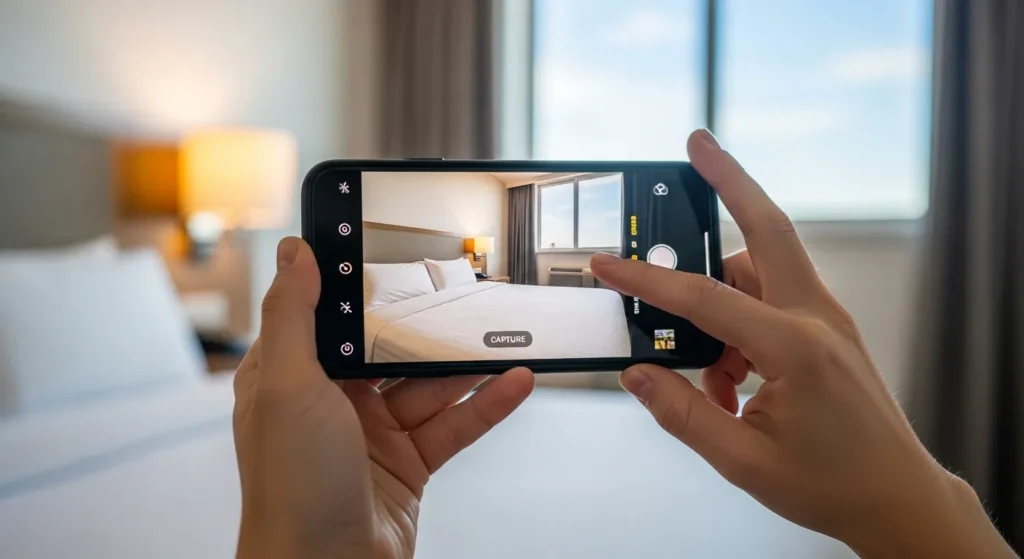
When you arrive, do a quick photo walkthrough—especially for budget listings. This protects you if there’s pre-existing damage, stains, or missing items. It takes two minutes and can save you serious stress later. First-time travelers often skip this step, then feel stuck if the host claims something was your fault. Take photos of high-risk areas: kitchen counters, bathroom, walls, and any fragile items.
If you notice an issue, message the host immediately with a friendly note and one photo. This keeps everything documented inside the app. You don’t need to be dramatic—just clear and calm. Also screenshot check-out instructions so you don’t miss anything later. Budget travel is easier when you reduce conflict risk. A quick arrival checklist protects your money, your time, and your peace of mind.
21) Book Early for Peak Seasons (But Watch for Deals)

In many US destinations, the best budget Airbnbs get booked quickly—especially for weekends, holidays, and peak seasons. Booking early helps you grab good locations with solid reviews before prices climb. For first-time travelers, early booking also reduces stress because you can plan the rest of your itinerary around a confirmed base. If you’re traveling during fall foliage, summer, or major events, this matters even more.
That said, don’t book blindly. Save your top options and watch for price drops or weekly discounts. If your dates are flexible, shifting by one day can sometimes lower costs. Set a personal deadline: “book by this date” so you don’t get stuck with overpriced leftovers. Budget travel is part planning, part timing. Early booking gives you choice, and choice is what keeps your trip affordable.