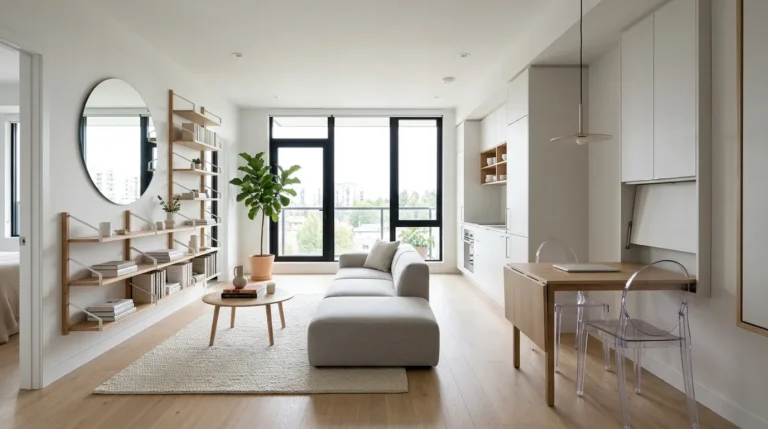
Transform Your Space With an Outdated Bathroom Makeover
An older bathroom can affect the entire feel of a home more than people expect. Even when the space is clean, dated tile, poor lighting, worn finishes, and awkward storage can make it feel tired, cramped, and less enjoyable to use every day. The good news is that a fresh update does not always require tearing everything out or spending a huge budget. In many USA homes, the most effective bathroom improvements come from thoughtful visual changes that make the room feel brighter, cleaner, and more functional without losing practicality.
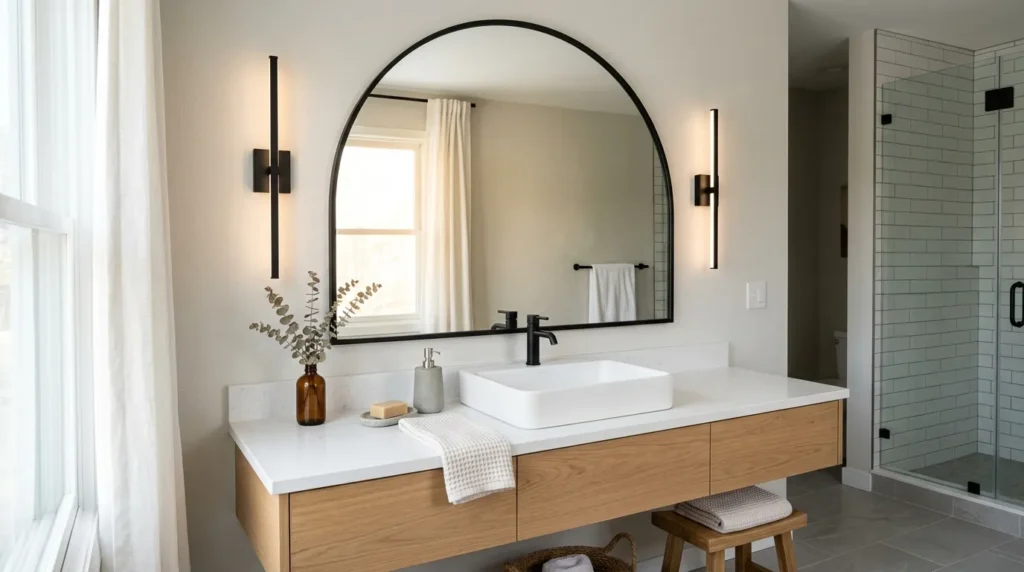
What makes a successful makeover stand out is not just style. It is the way the space starts working better for real life. A bathroom should feel easy in the morning, calming at night, and organized throughout the week. In my experience, the best transformations happen when homeowners focus on a few smart upgrades that improve both appearance and everyday use. Better lighting, cleaner lines, warmer materials, and more intentional storage often create a bigger impact than people think. Small changes can make a room feel entirely different when they are planned well.
Another reason this kind of refresh matters is that bathrooms are one of the most visually sensitive rooms in the house. When one detail feels off, the whole room can quickly seem older than it really is. But when finishes, color, texture, and layout begin to work together, the space feels more polished right away. That is why many designers recommend looking at the bathroom as a full experience instead of only changing one feature. The goal is not just to modernize it. The goal is to make it feel cleaner, lighter, and easier to enjoy every single day.
This guide focuses on 12 practical makeover ideas, split across two parts. Part 1 covers the first 6 ideas that can instantly shift the look and feel of an older bathroom. These updates are designed to help you create a space that feels fresh, current, and much more inviting without making the design feel cold or overly trendy.
1. Fresh Paint
- Instantly brightens an older bathroom without major construction.
- Covers dated tones that make the room feel heavy or dull.
- Helps create a cleaner and more updated first impression.
- Works well as a budget-friendly starting point for the makeover.
- Makes trim, mirrors, and fixtures stand out more clearly.
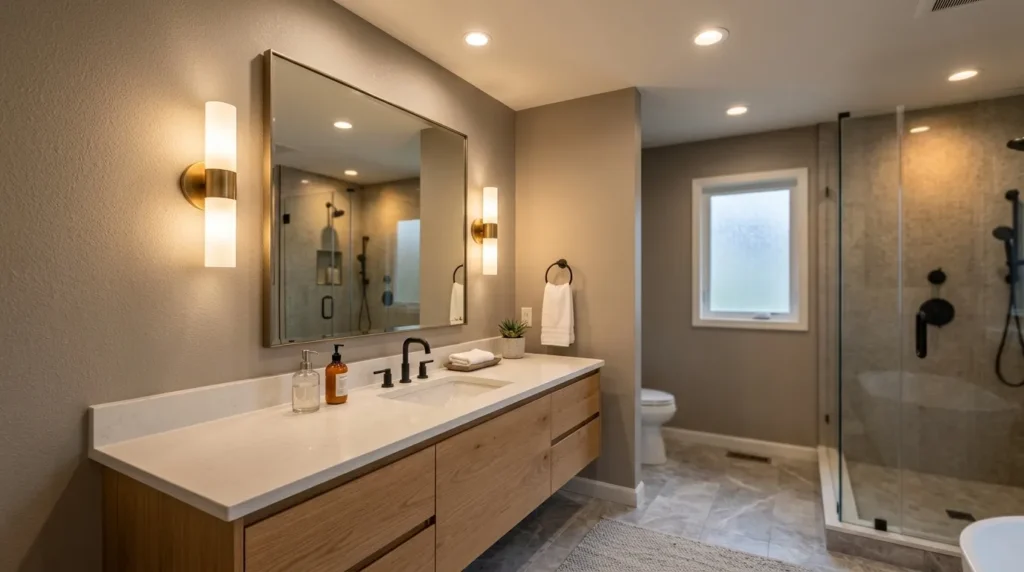
Fresh paint is often the fastest way to change the mood of an outdated bathroom. Walls that lean too yellow, too dark, or too builder-grade can make the entire room feel older than it really is. A new coat of paint in a soft white, warm greige, gentle sage, or muted taupe can immediately lift the space and make it feel cleaner. This works especially well in bathrooms with older tile or fixed features that are staying in place. Once the walls look current and crisp, the whole room begins to feel more intentional, even before any other changes happen.
The key is choosing a color that works with the existing light and materials instead of fighting them. Bathrooms with little natural light usually benefit from warmer tones rather than harsh bright white, which can feel flat. Moisture-resistant paint is also important because it helps the finish last longer in a humid environment. I’ve noticed that paint often makes old cabinetry, mirrors, and flooring look better simply because the overall backdrop feels calmer. When done well, this one update can create the kind of visual reset that makes every later improvement look more polished.
2. Modern Vanity
- Gives the bathroom a stronger focal point.
- Improves storage and daily function at the same time.
- Helps replace bulky or dated cabinetry with cleaner lines.
- Makes the room feel more current without needing a full remodel.
- Can instantly improve both style and layout balance.
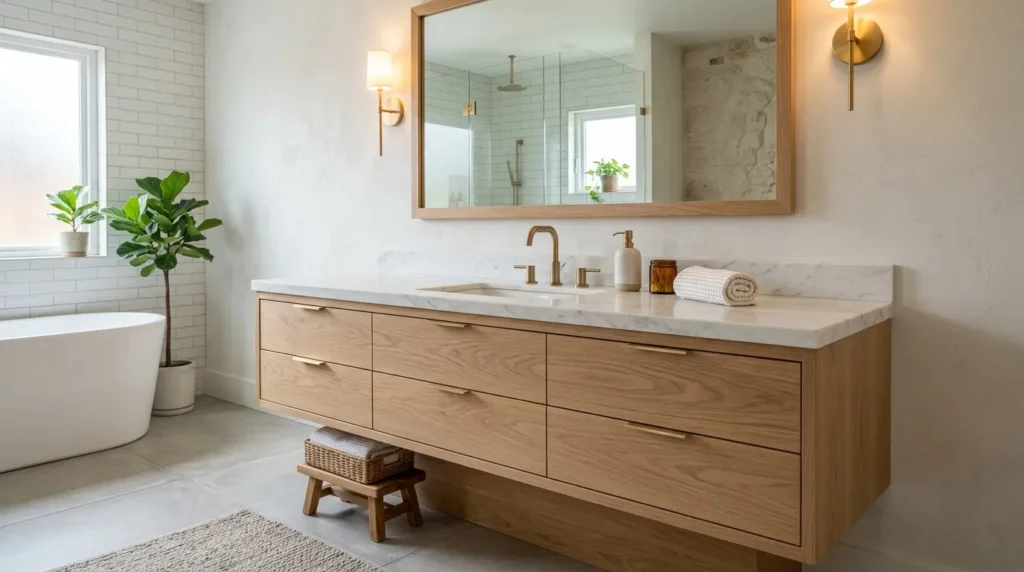
A modern vanity can completely reshape the look of an older bathroom because it changes both the style and the structure of the space. Many dated bathrooms have heavy cabinets, awkward sink shapes, or finishes that make the room feel darker and more crowded. Replacing that one element with a vanity that has clean lines, better storage, and a more balanced design can make the entire room feel refreshed. Even simple options in oak, walnut, white, or painted muted tones can create a more elevated look when paired with updated hardware and a cleaner countertop.
This upgrade matters because the vanity is usually one of the largest visual elements in the room. If it looks tired, the bathroom will usually feel tired too. That is why many designers recommend choosing a piece that feels lighter in form, even if the room itself is small. Drawers are often more practical than deep cabinet doors because they keep essentials easier to reach. In my experience, a well-chosen vanity does more than modernize the room. It helps the bathroom feel calmer, more organized, and better suited to daily routines.
3. Better Lighting
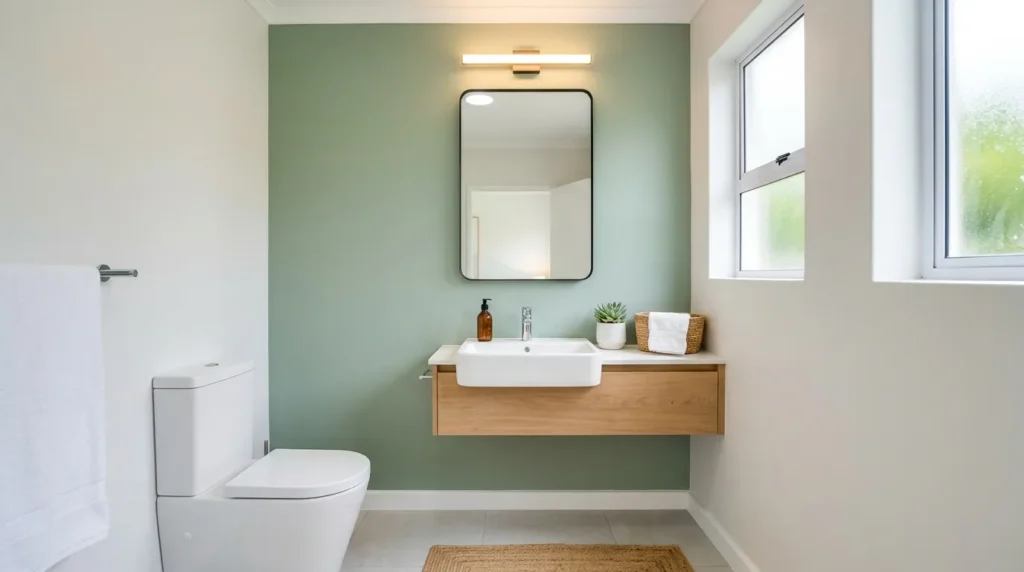
- Makes the bathroom feel brighter and more welcoming.
- Improves mirror use for everyday tasks like grooming or makeup.
- Softens harsh shadows that date the space.
- Helps colors and finishes look more accurate and appealing.
- Adds warmth and polish without taking up extra floor space.
Lighting can make or break a bathroom makeover. Many older bathrooms rely on one overhead fixture that creates shadows, glare, or a flat washed-out effect that is not flattering or comfortable. Replacing that with better layered lighting can instantly make the room feel more expensive and more useful. A pair of sconces beside the mirror, an updated vanity light, or even a softer ceiling fixture can change the atmosphere dramatically. Once the light feels balanced, the paint color, mirror, tile, and hardware all begin to look better too, which is why this step creates such noticeable results.
It helps to think about lighting in terms of function and mood rather than brightness alone. A bathroom should feel clear enough for practical tasks but still soft enough to feel relaxing. Warm white bulbs usually create a more inviting result than overly cool tones, which can make the room feel sterile. I’ve seen this work well in many homes where the layout stayed the same, but lighting alone made the bathroom seem far more modern. Good lighting improves every finish around it, which makes it one of the smartest upgrades in any older space.
4. Updated Mirror
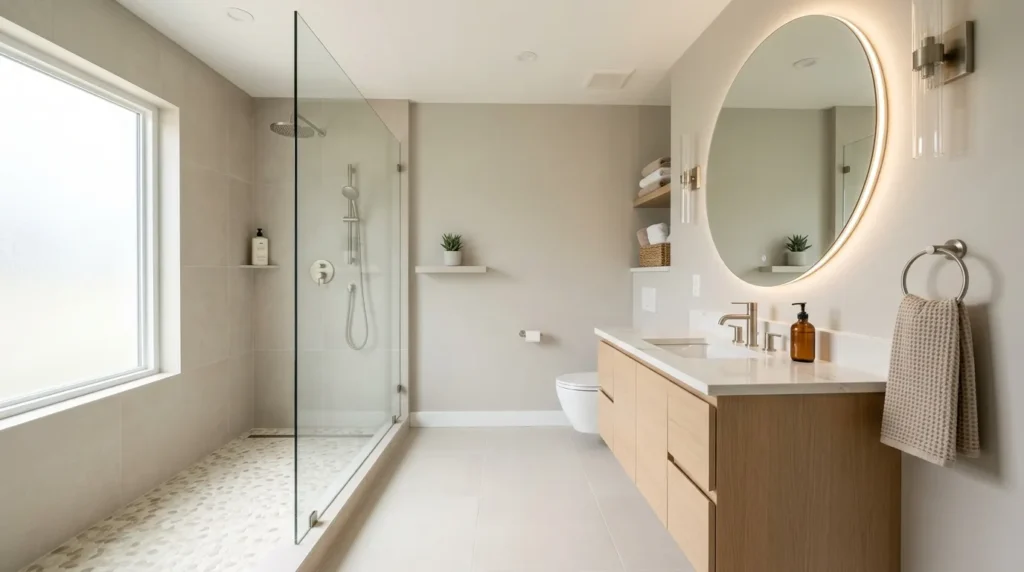
- Replaces dated shapes and frames with a cleaner look.
- Helps the bathroom feel more open and reflective.
- Creates an easy visual upgrade without changing the layout.
- Adds style while staying functional every day.
- Can make a simple vanity area feel custom and intentional.
An updated mirror can do far more than people expect in an outdated bathroom. Builder-grade mirrors, heavily decorative frames, or older medicine cabinet styles often make the vanity area feel stuck in another era. Swapping that out for a modern rectangular mirror, rounded-edge design, thin black frame, warm wood finish, or gently arched shape can instantly refresh the wall. Because the mirror sits at eye level, it has a strong visual impact right away. Even when the sink and countertop stay the same, a new mirror can make the entire vanity zone feel more current.
This works especially well when the mirror size is chosen with better scale in mind. A mirror that feels too small often looks accidental, while one that fills the wall more confidently creates a finished effect. That is why many designers recommend matching the mirror to the width of the vanity or slightly narrowing it for balance. In my experience, the best mirror updates also improve light reflection, which helps the room appear brighter and larger. It is one of the simplest changes that can make an older bathroom feel thoughtfully redesigned instead of merely cleaned up.
5. New Hardware
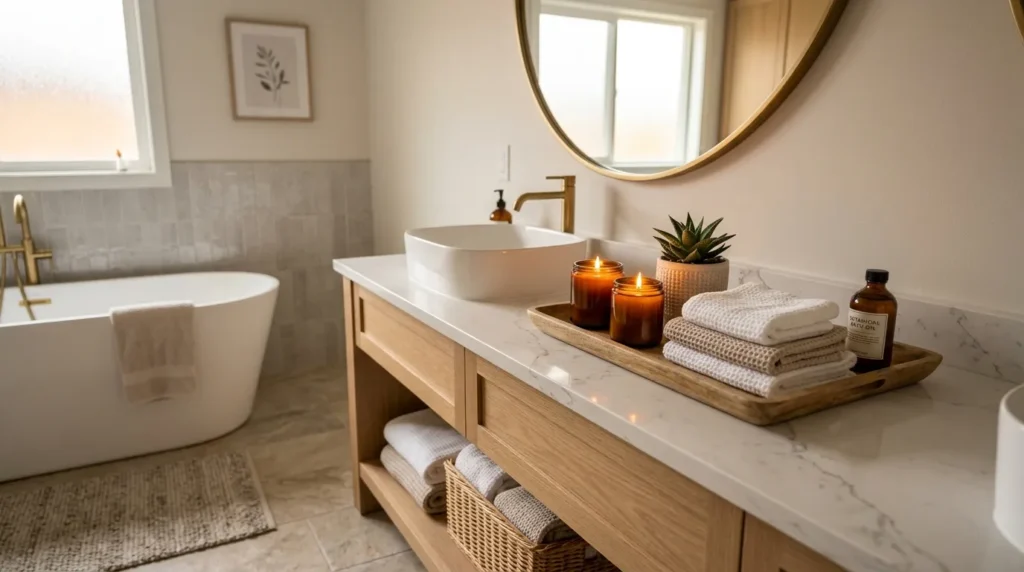
- Gives old cabinets and drawers a cleaner, more polished look.
- Adds contrast and style without replacing major fixtures.
- Helps tie the vanity, mirror, and lighting together visually.
- Offers a low-cost update with a surprisingly strong impact.
- Makes the space feel more customized and less builder-basic.
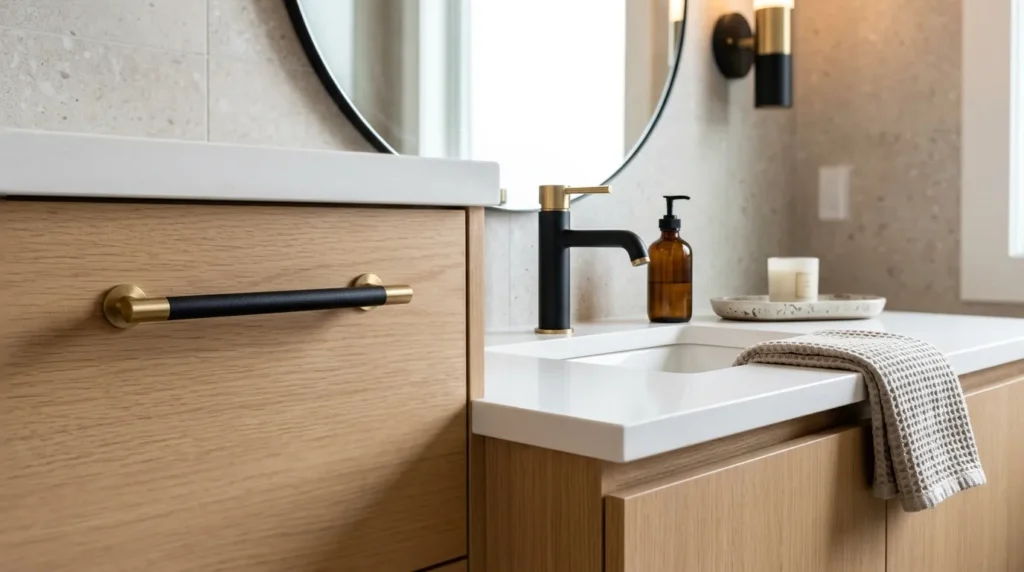
New hardware is one of the easiest ways to modernize a bathroom without taking on a major renovation. Old cabinet knobs, worn drawer pulls, dated faucet handles, and tired towel bars can quietly age the room even when everything else looks neat. Replacing them with updated finishes like matte black, brushed brass, polished nickel, or soft bronze can make a surprising difference. These details may seem small, but they act like visual punctuation across the space. Once they feel consistent and intentional, the whole room begins to feel more refined and better coordinated.
The most effective approach is to repeat the chosen finish enough times that it looks deliberate. For example, vanity pulls, a faucet, and a towel ring in similar tones can instantly create cohesion. I’ve noticed that even basic cabinetry starts to feel more elevated when the hardware looks current and well scaled. This is also a practical update because it improves the tactile experience of using the room every day. In my experience, fresh hardware is one of the best low-effort upgrades for an older bathroom because it delivers both visual improvement and a cleaner sense of finish.
6. Cleaner Tile
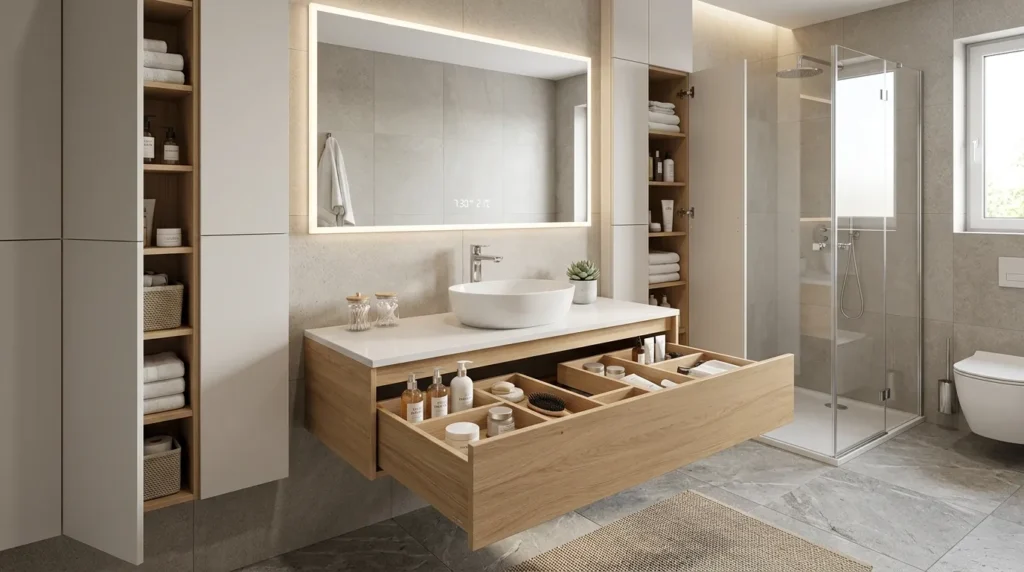
- Helps old surfaces feel fresher without a full replacement.
- Reduces visual heaviness from stained grout or worn finishes.
- Makes the bathroom look more hygienic and better maintained.
- Supports every other makeover update in the room.
- Can revive older materials before major renovation is needed.
Tile often defines how old a bathroom feels. Even if the layout is workable, dingy grout, stained caulk, discolored tile, or overly busy surfaces can make the room feel worn no matter how much it is cleaned. Focusing on cleaner tile can dramatically improve that impression. Deep cleaning, regrouting, recaulking, painting dated tile where appropriate, or replacing only the most damaged sections can help the whole room look fresher. This step is not always glamorous, but it creates the kind of visual reset that supports every other design decision in the makeover.
The reason this works so well is simple: surfaces matter most in bathrooms because they are seen up close and used constantly. If the tile looks neglected, the entire room will usually feel neglected too. I’ve seen this work well in many homes where the owners were not ready for a full remodel but still wanted a major improvement. Once grout lines are brighter and tile looks cleaner, paint colors feel better, fixtures stand out more, and the whole space feels cared for. Sometimes the smartest makeover move is refreshing what is already there.
7. Open Shelving
- Adds accessible storage without making the room feel bulky.
- Helps style the bathroom with towels, baskets, and decor.
- Makes use of vertical wall space in smaller layouts.
- Can soften the look of a plain or empty wall.
- Balances function and design in a visible, practical way.
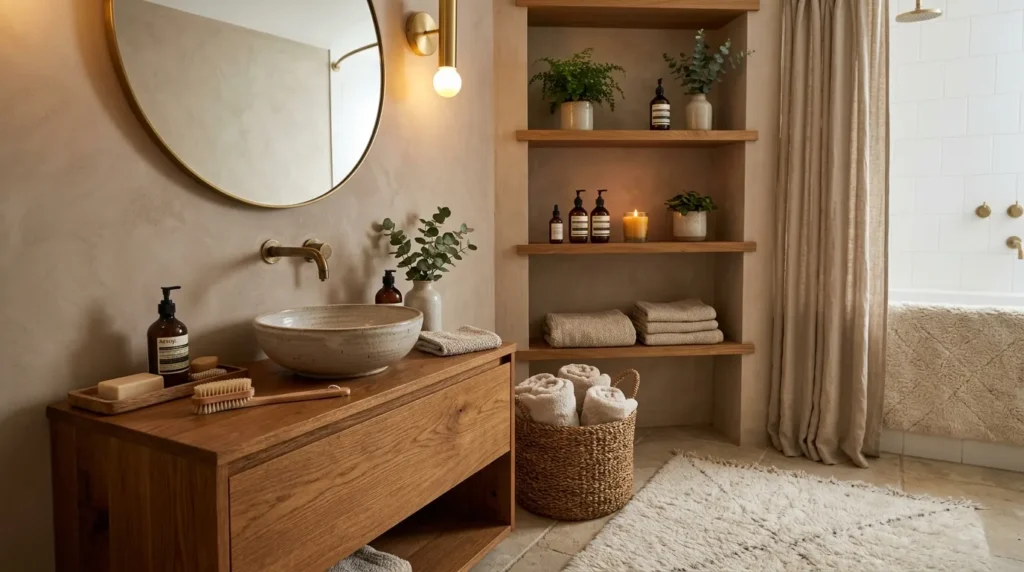
Open shelving can be a great solution in older bathrooms that need more storage but cannot handle another bulky cabinet. A few well-placed shelves above the toilet, beside the vanity, or on a narrow unused wall can create room for folded towels, baskets, candles, jars, and everyday essentials. The visual effect can be just as useful as the storage itself. Shelves make a bathroom feel styled and lived-in rather than bare or purely utilitarian. When done with restraint, they add warmth and personality without making the room feel crowded.
The secret is to keep the shelves edited and balanced. Too many small items can quickly turn them into clutter, which defeats the purpose. That is why many designers recommend mixing practical pieces with a few softer visual details like a small plant, rolled towels, or simple containers. I’ve noticed that wood shelves often work especially well because they bring warmth into rooms filled with hard surfaces. In my experience, open shelving is most successful when it looks intentional, not overloaded. It should make the bathroom feel more useful and more beautiful at the same time.
8. Glass Shower
- Makes the bathroom feel more open and less boxed in.
- Removes visual barriers created by old curtains or frames.
- Allows light to move freely across the room.
- Instantly creates a cleaner and more modern appearance.
- Works well in both small and large bathrooms.
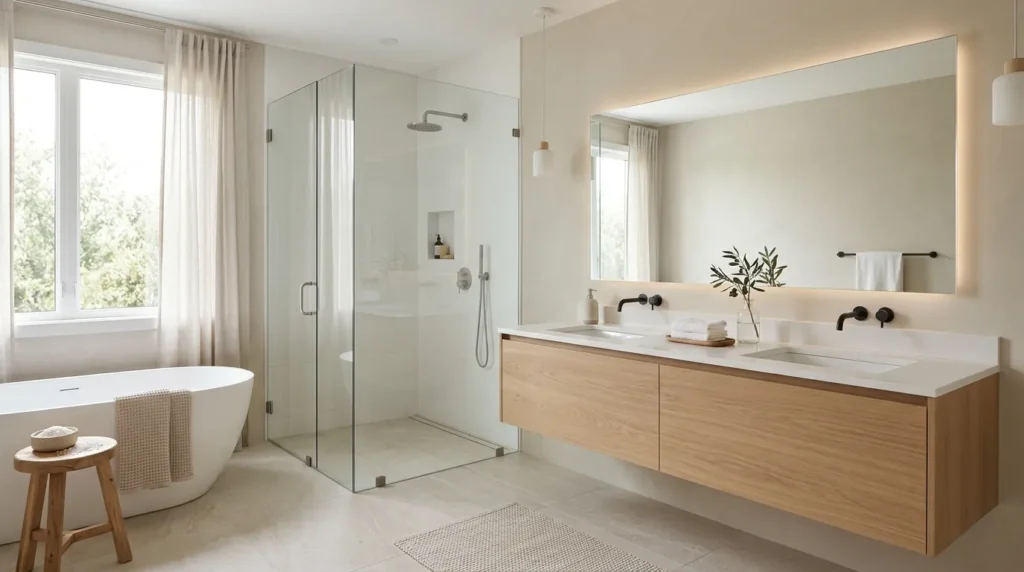
A glass shower can completely transform how spacious a bathroom feels, even if nothing else changes. Old shower curtains, frosted panels, or bulky frames often block light and break the flow of the room. When replaced with a clear glass panel or door, the entire space feels more open and connected. This works especially well in smaller bathrooms where every visual inch matters. In my experience, even a simple frameless or semi-frameless option can make the layout feel less cramped and far more refined without requiring a full renovation.
The real impact comes from how light moves through the space. When the shower area is no longer hidden, tile, flooring, and wall finishes become part of one continuous view. That makes the room feel larger and more intentional. I’ve seen this work well in many homes where the goal was to modernize the bathroom without changing the layout. A glass shower also pairs beautifully with updated fixtures and cleaner tile, helping everything feel more cohesive. It is one of those upgrades that quietly elevates the entire room without overwhelming it.
9. Neutral Palette
- Creates a calm and timeless bathroom look.
- Makes older features feel less dated.
- Helps the space appear brighter and more open.
- Works well with different materials and finishes.
- Allows easy updates through decor changes.
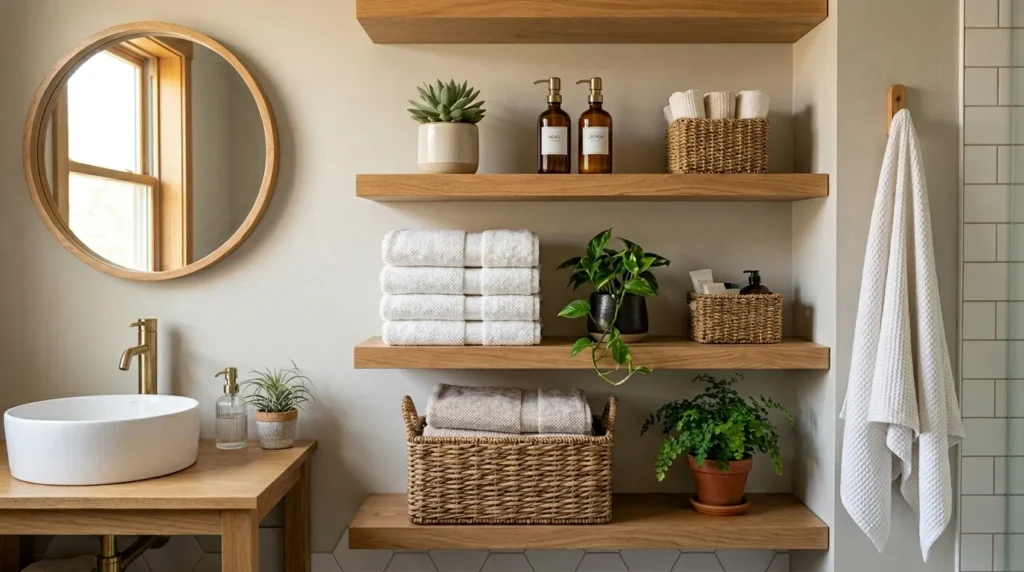
A neutral palette can instantly soften the look of an older bathroom and make it feel more current. Strong or outdated colors often lock a space into a specific era, while neutral tones give it flexibility and balance. Shades like warm white, soft beige, light gray, and muted taupe can create a calm backdrop that allows textures and materials to stand out. I’ve noticed that bathrooms with a simple color base usually feel cleaner and more relaxing, which is exactly what most people want from a daily-use space.
This approach also makes it easier to update the room over time without starting from scratch. Once the base is neutral, you can change towels, rugs, or accessories to refresh the look seasonally. That’s why many designers recommend starting with a quiet palette and layering in detail slowly. In my experience, neutral bathrooms rarely feel outdated because they rely on balance instead of trends. They also photograph better and feel more spacious, which is especially helpful in smaller layouts where color can either open the room or make it feel tight.
10. Warm Textures
- Adds comfort to a space filled with hard surfaces.
- Balances tile, metal, and glass finishes.
- Makes the bathroom feel more inviting and less cold.
- Helps modern updates feel lived-in and natural.
- Improves overall visual depth without clutter.
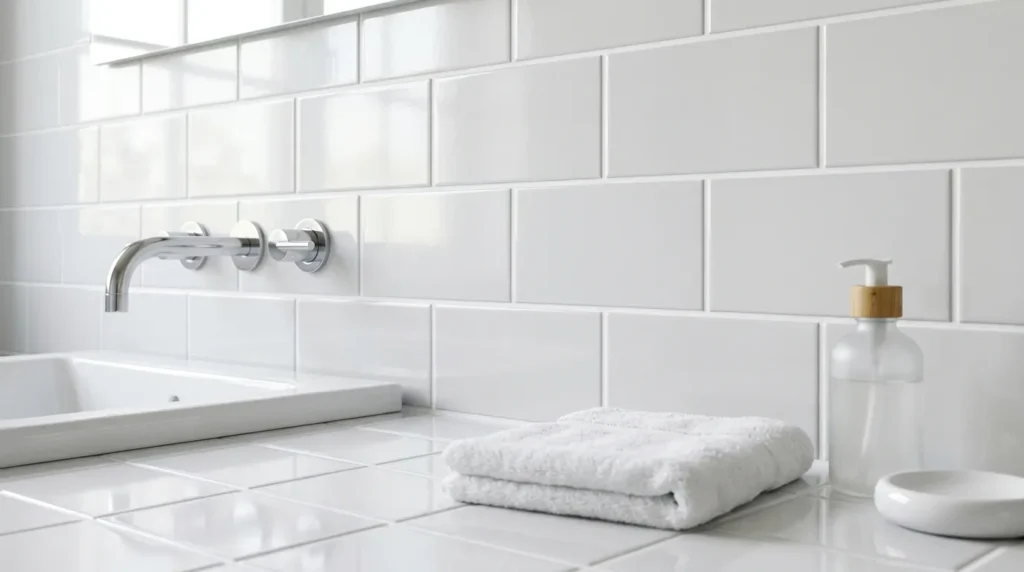
Bathrooms often lean heavily on hard materials like tile, porcelain, and metal, which can sometimes make the space feel cold or flat. Adding warm textures helps soften that effect and creates a more inviting atmosphere. Elements like wooden trays, woven baskets, linen towels, or textured rugs can bring warmth without overwhelming the design. I’ve seen this work well in many homes where a bathroom felt technically updated but still lacked comfort. Texture fills that gap by adding subtle detail and visual richness.
The key is to layer textures thoughtfully instead of adding too many competing elements. A single woven basket, a soft bath mat, and a wood accent near the vanity can already shift the mood. That’s why many designers recommend combining smooth and tactile finishes for balance. In my experience, textured bathrooms feel more complete because they engage more than just the visual aspect. They make the space feel softer, calmer, and more enjoyable to use every day, which is exactly what a well-designed bathroom should offer.
11. Smart Storage
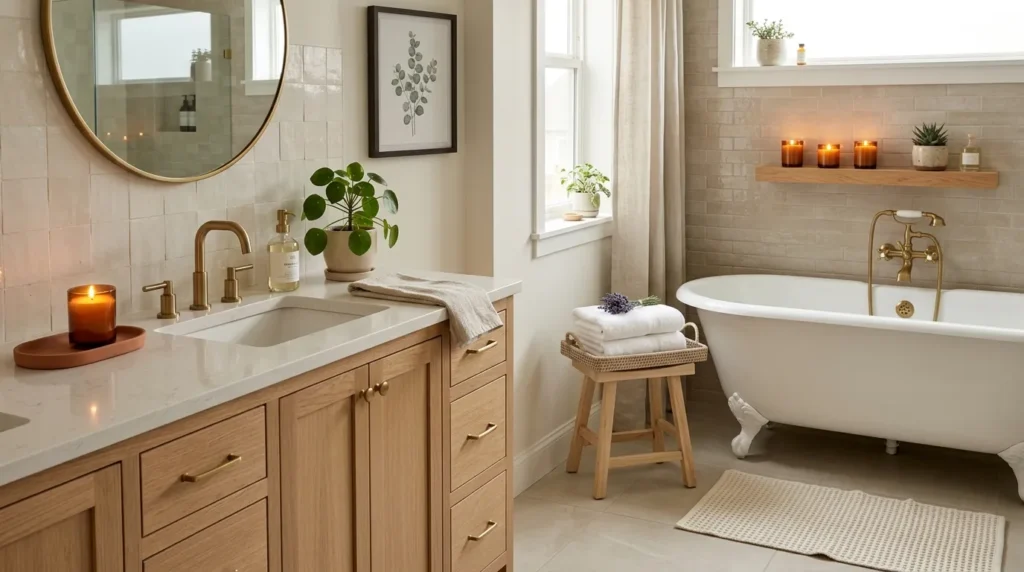
- Reduces clutter and improves daily function.
- Makes the bathroom feel cleaner and more organized.
- Helps maximize limited space in smaller layouts.
- Keeps essentials easy to access but out of sight.
- Supports long-term usability of the makeover.
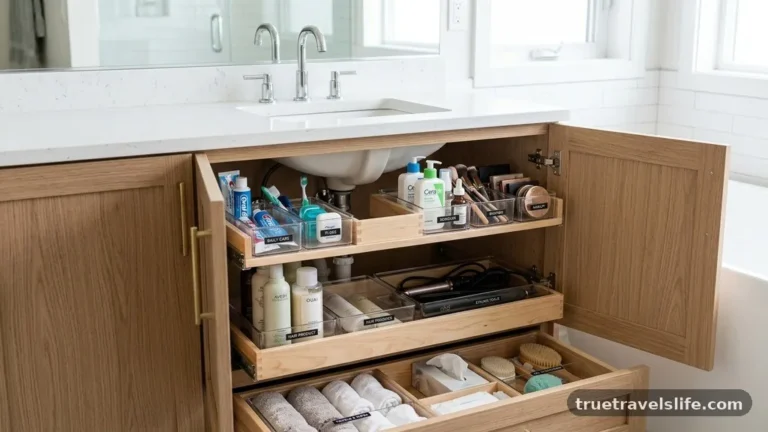
Smart storage is one of the most practical upgrades in any bathroom refresh because it directly affects how the space is used every day. An older bathroom often lacks proper storage, which leads to cluttered countertops and crowded cabinets. Adding drawer organizers, pull-out trays, vertical cabinets, or hidden compartments can make a huge difference. When everything has a place, the room feels calmer and easier to manage. I’ve noticed that even small storage improvements can make a bathroom feel more expensive simply because it looks organized.
This idea works best when it is tailored to daily habits instead of just adding more containers. Think about what you use most often and keep those items within easy reach, while less-used items can stay tucked away. That’s why many designers recommend mixing open and closed storage for balance. In my experience, bathrooms that feel organized are the ones people enjoy using the most. They reduce stress during busy mornings and make the space feel more intentional. A well-planned storage setup supports both style and function at the same time.
12. Finishing Details
- Brings the entire makeover together visually.
- Adds personality without overwhelming the space.
- Makes the bathroom feel styled and complete.
- Enhances the effect of all previous updates.
- Creates a more polished and thoughtful final look.
Finishing details are what turn a basic update into a complete transformation. Even after the major elements are improved, a bathroom can still feel unfinished without the right final touches. Items like matching towel sets, simple artwork, candles, trays, plants, or coordinated accessories can bring everything together. These details do not need to be expensive, but they should feel intentional. I’ve noticed that when small items are chosen carefully, the entire room begins to feel more curated and balanced instead of random.
The goal is to add just enough personality without creating clutter. A few well-placed pieces usually work better than filling every corner. That’s why many designers recommend stepping back after the main updates and then adding details slowly. In my experience, the final layer is what makes the biggest emotional difference. It turns a functional bathroom into a space that feels calm, comfortable, and visually complete. When the finishing touches are done right, the entire makeover feels more refined and truly finished.