11 Modern Apartment Ideas That Instantly Upgrade Your Home
A well-designed apartment does not need a full renovation to feel polished, stylish, and comfortable. In many USA homes, the biggest upgrades come from small visual shifts that make a space look cleaner, brighter, and more intentional. That is why smart styling matters so much, especially in apartments where square footage is limited and every detail has to work harder. The right mix of layout, texture, lighting, and furniture can completely change how a home feels without making it look crowded or overdone.
What makes these ideas work so well is that they are practical enough for real life. They are not based on unrealistic showroom setups or expensive designer-only choices. Instead, they focus on changes that improve the way a room looks, flows, and functions every day. In my experience, the most successful apartment updates are the ones that balance beauty with ease. A room should feel calm and useful at the same time, not just photo-ready for one moment.
This guide is built around visual ideas that fit how people actually live. Whether you are decorating a first apartment, refreshing a rental, or trying to make an older space feel more current, these modern apartment ideas can help you create a home that looks elevated and feels easy to enjoy. Part 1 covers the first 6 ideas, each one designed to instantly improve comfort, style, and everyday livability.
Soft Neutrals
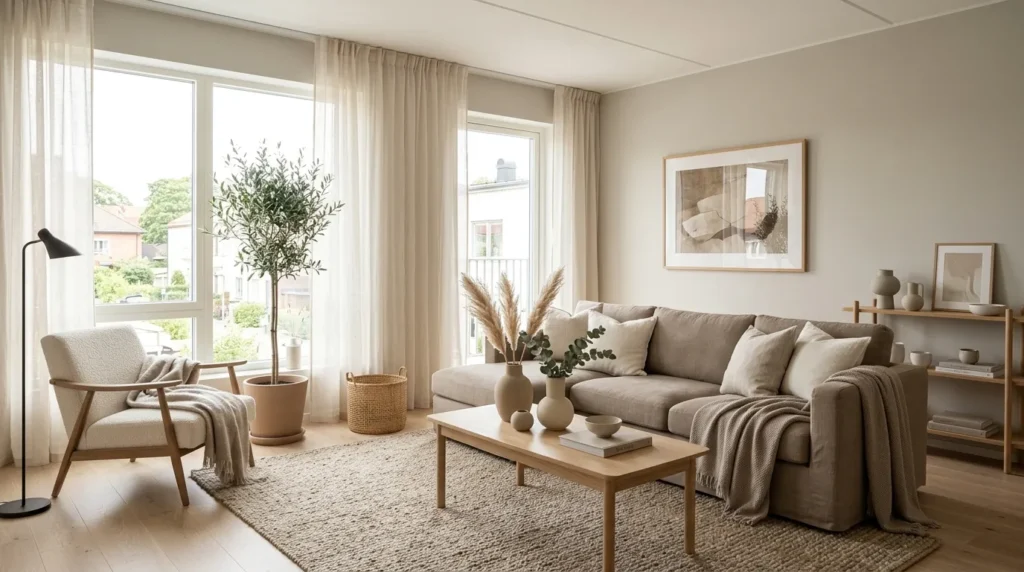
- Creates a calmer and more expensive-looking foundation.
- Makes small rooms feel brighter and more open.
- Works well with wood, black accents, and soft textures.
- Helps decor pieces stand out without visual clutter.
- Gives you flexibility to refresh seasonal styling easily.
A soft neutral palette can completely shift the mood of an apartment in the best way. Instead of making the room feel plain, it creates a quiet backdrop that allows shape, texture, and light to do the heavy lifting. Warm whites, sandy beige tones, soft taupe, and muted greige often work better than stark bright white because they feel more welcoming and less harsh. I’ve noticed that apartments with softer neutrals usually look larger in photos and feel more restful in person, especially when natural light moves across the room during the day.
The key is to build variation without losing calm. Use linen curtains, a boucle or woven chair, a light-toned rug, and matte ceramic pieces so the room has visual depth even when the palette stays simple. That is why many designers recommend layering materials instead of adding more color. A neutral room with texture feels styled, while a neutral room without contrast can fall flat. This approach also works especially well in rentals because it updates the space without needing major changes to walls, floors, or fixed finishes.
Statement Lighting
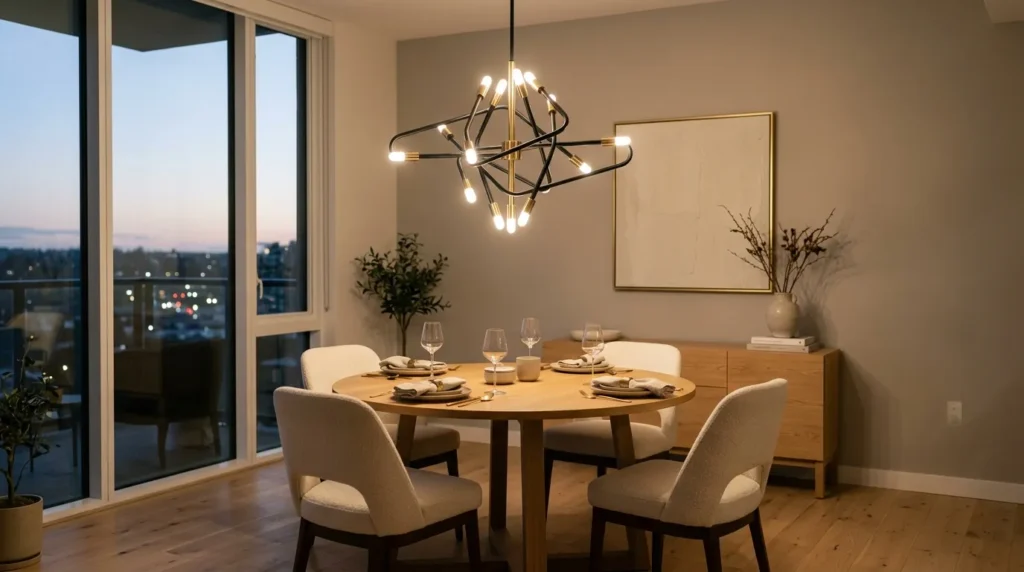
- Instantly adds personality without taking up floor space.
- Creates a stronger focal point in simple rooms.
- Helps a basic layout feel more designed and intentional.
- Improves both mood and function in the evening.
- Makes even affordable furniture look more refined.
Lighting is one of the fastest ways to make an apartment feel elevated. A sculptural pendant, oversized paper lantern, sleek floor lamp, or globe sconce can turn a forgettable corner into a clear focal point. What makes this upgrade so effective is that it changes the atmosphere as much as the look. A room with layered lighting feels softer, more inviting, and far more complete than one relying only on a harsh ceiling fixture. Even a very simple apartment starts to feel styled when lighting is chosen with shape, scale, and warmth in mind.
For the best result, think beyond basic brightness and focus on mood. Warm bulbs, dimmable fixtures, and varied light sources create a home that feels comfortable at every hour. In my experience, a living room usually feels unfinished until it has at least two or three light layers working together. Try combining an overhead statement piece with a table lamp and a floor lamp for depth. This setup helps define zones in open-plan spaces and makes evenings feel more relaxed, which is especially helpful in smaller apartments where one room often serves many purposes.
Layered Textures
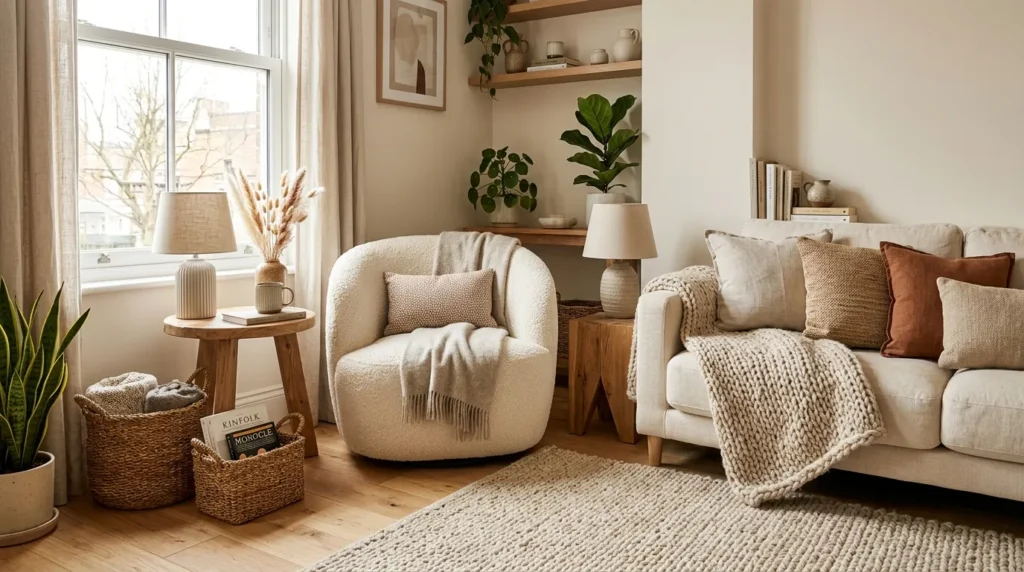
- Adds richness without making the room feel busy.
- Makes simple color palettes feel warm and finished.
- Helps modern spaces avoid looking too cold.
- Creates a more comfortable and inviting everyday environment.
- Works especially well in apartments with limited architectural detail.
Texture is what gives a room soul. In a home with clean lines and a limited palette, texture keeps the design from feeling flat or overly polished. A boucle chair, linen bedding, woven baskets, jute rug, ribbed ceramics, and soft knit throw can all work together to create warmth without adding clutter. I’ve seen this work well in many homes where people want a cleaner look but do not want the space to feel cold. Texture brings softness, movement, and personality to rooms that might otherwise feel too plain or too strict.
One of the best things about texture is that it layers naturally over what you already own. You do not need to replace every piece of furniture to make an impact. Start with what the eye notices first: sofa pillows, throws, rugs, and curtains. Then bring in smaller details like wood, glass, or stone accessories to balance the softness. This kind of contrast is what makes a modern apartment feel lived-in instead of staged. It also photographs beautifully, which is why textured spaces often do so well on inspiration platforms and in real-life home updates.
Floating Shelves
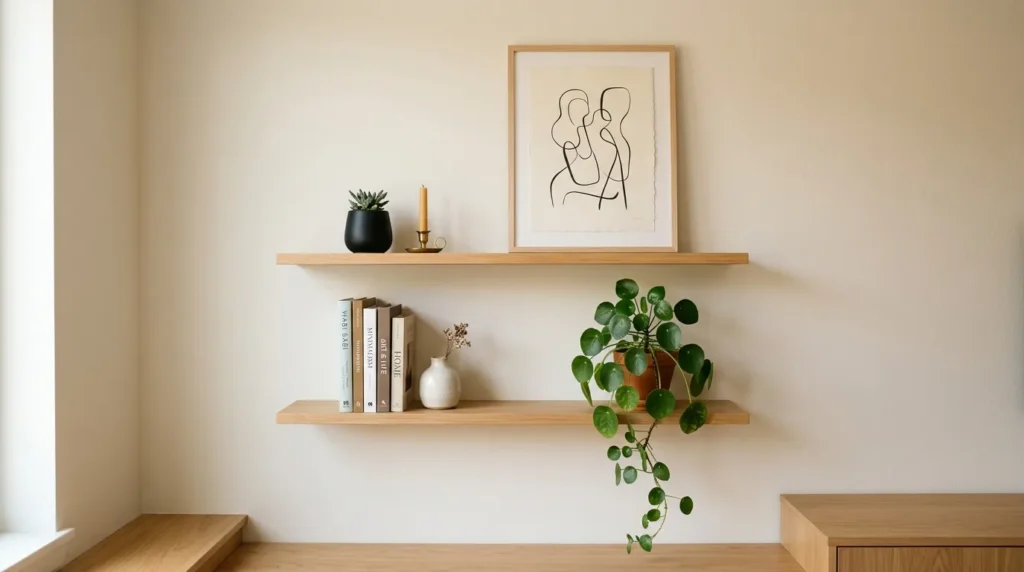
- Uses wall space without crowding the floor.
- Adds storage and styling at the same time.
- Helps personalize rentals without bulky furniture.
- Makes blank walls feel finished and purposeful.
- Encourages a cleaner, more curated display approach.
Floating shelves are one of the most effective ways to add both function and style to an apartment. They give you space to display books, ceramics, framed art, candles, and small plants without the heaviness of a full cabinet or bookcase. In smaller homes, that visual lightness matters. A room can still feel open while gaining personality and useful storage. When shelves are installed at the right height and styled with restraint, they make a blank wall look intentional rather than empty, which is often exactly what apartment living rooms and bedrooms need.
The trick is not to overload them. Leave open space between objects so the display feels balanced and breathable. A good mix usually includes stacked books, one natural element like greenery, something sculptural, and a framed piece to anchor the arrangement. I’ve noticed that when shelves are styled too tightly, they create stress instead of beauty. But when they are edited down, they can make a room feel more expensive and thoughtfully designed. Floating shelves also work well in entry corners, kitchens, and home office areas where every inch needs to serve a purpose.
Curved Furniture

- Softens boxy apartment layouts and sharp corners.
- Makes rooms feel more current and visually interesting.
- Helps create a relaxed and welcoming atmosphere.
- Adds design impact without relying on bold color.
- Blends well with modern, minimal, and cozy interiors.
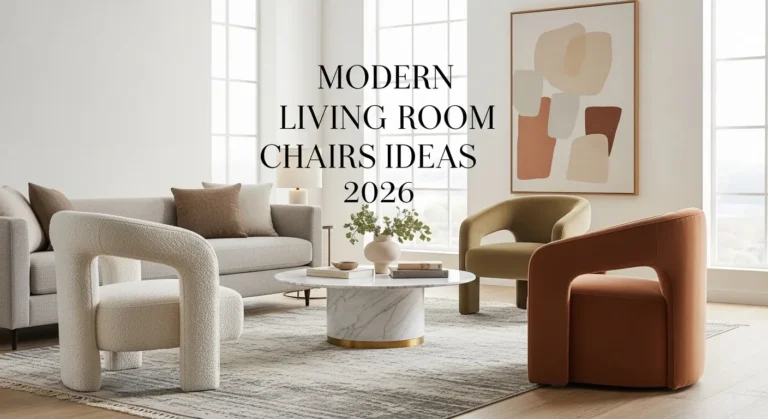
Apartments often come with hard architectural lines, square rooms, and repetitive angles. Curved furniture helps break that pattern and makes the whole space feel softer. A rounded coffee table, curved sofa, arched lamp, or circular side table introduces movement in a way that feels subtle but powerful. That softness matters more than many people expect. Instead of the room feeling stiff or overly structured, it begins to feel calm, fluid, and more welcoming. Even one curved piece can shift the visual rhythm of a space and make it look more current.
This idea works especially well when paired with simple finishes and a restrained palette. Because the shape itself becomes part of the design story, you do not need excessive decoration around it. In my experience, curved pieces are often the detail that makes a room feel updated without making it trendy in a way that quickly fades. They also improve flow in tighter layouts by making pathways feel easier and less abrupt. If you are choosing just one piece, start with a coffee table or accent chair because those usually make the biggest visual difference first.
Glass Accents
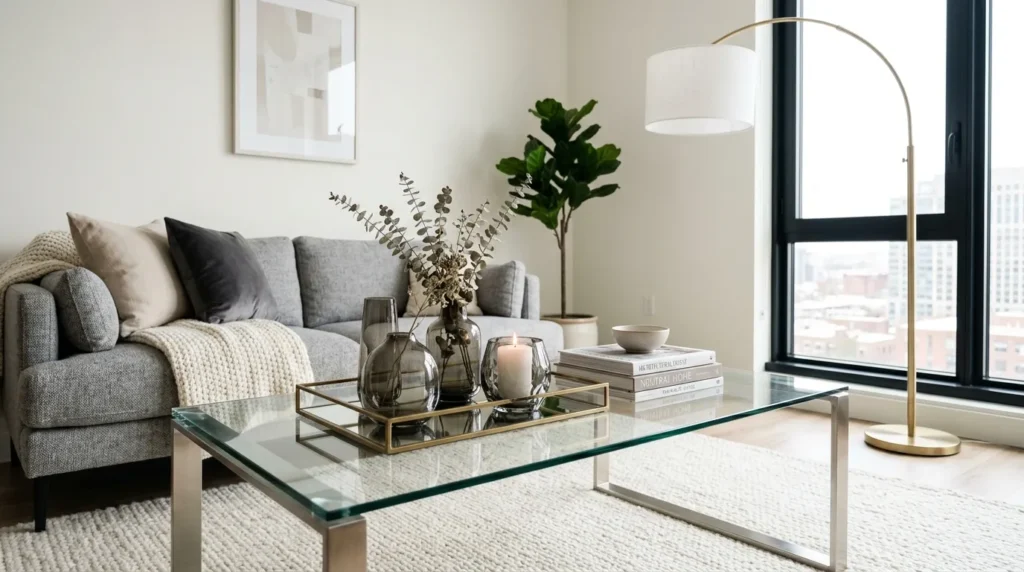
- Keeps rooms feeling lighter and less crowded.
- Reflects light and helps brighten darker areas.
- Adds polish without overwhelming a small layout.
- Pairs easily with wood, metal, and upholstered pieces.
- Gives modern spaces a clean, airy finish.
Glass accents are a smart choice when you want an apartment to feel open and polished at the same time. A glass coffee table, side table, lamp base, or decorative vase can visually lighten a room because it takes up less visual weight than solid materials. That is especially helpful in apartments where bulky furniture can make the layout feel tight. The reflective quality also helps bounce light around, which makes darker corners appear brighter and more refreshed. This is one of those small design decisions that can quietly transform how spacious a room feels.
To keep the look balanced, pair glass with warmer materials so the room does not feel too cold. Light oak, brushed brass, matte black, linen, and soft upholstery all work beautifully with transparent or smoked glass pieces. I’ve noticed that this combination works especially well in living rooms and dining areas where people want an airy feel without losing warmth. Glass accents also make styling easier because they blend into many different aesthetics. Whether your apartment leans minimalist, cozy, or slightly luxurious, a few glass details can make everything feel more refined.
Warm Wood
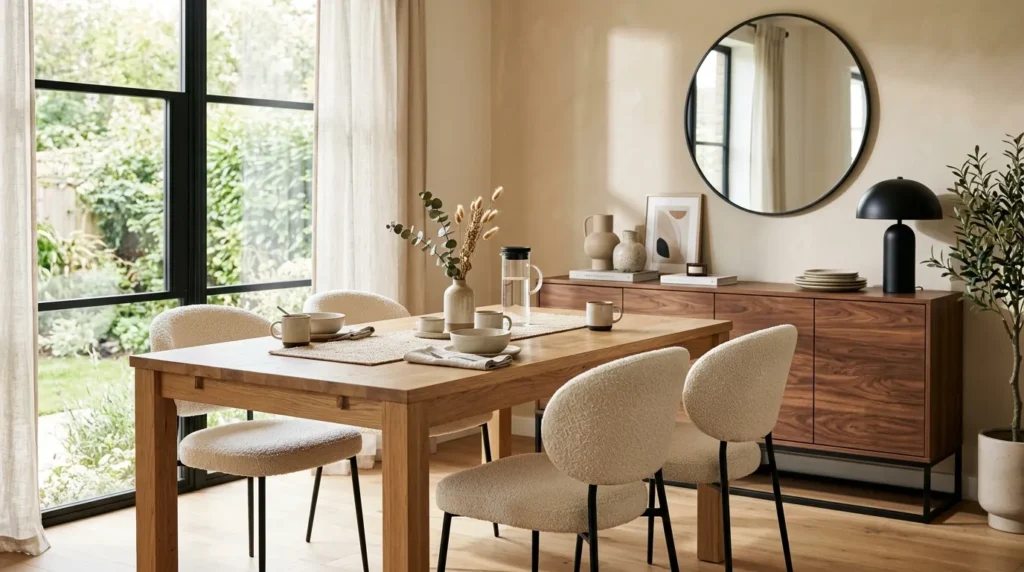
- Adds warmth to sleek interiors.
- Balances metal, glass, and painted surfaces.
- Makes apartments feel more grounded and welcoming.
- Works in both small accents and larger furniture pieces.
- Helps modern spaces feel timeless instead of cold.
Warm wood tones can completely change the feeling of an apartment without making it look traditional or heavy. In a modern space, wood introduces a sense of balance that helps offset painted walls, polished finishes, and clean-lined furniture. Light oak, walnut, and ash are especially effective because they bring softness and character while still feeling current. I’ve noticed that even one wood piece, like a console, dining table, or side chair, can make an apartment feel more settled and thoughtfully styled. It gives the room visual warmth that many modern spaces quietly need.
The best results come from using wood with intention instead of scattering too many finishes around the room. Try repeating one or two similar tones so the space feels connected rather than mismatched. A wood coffee table paired with a framed oak mirror or walnut lamp base often creates enough consistency to make the room feel complete. This approach also works well in rentals, where fixed materials may not be ideal. In my experience, wood is one of the easiest ways to make a home feel elevated because it adds texture, warmth, and permanence without asking for dramatic changes.
Oversized Art
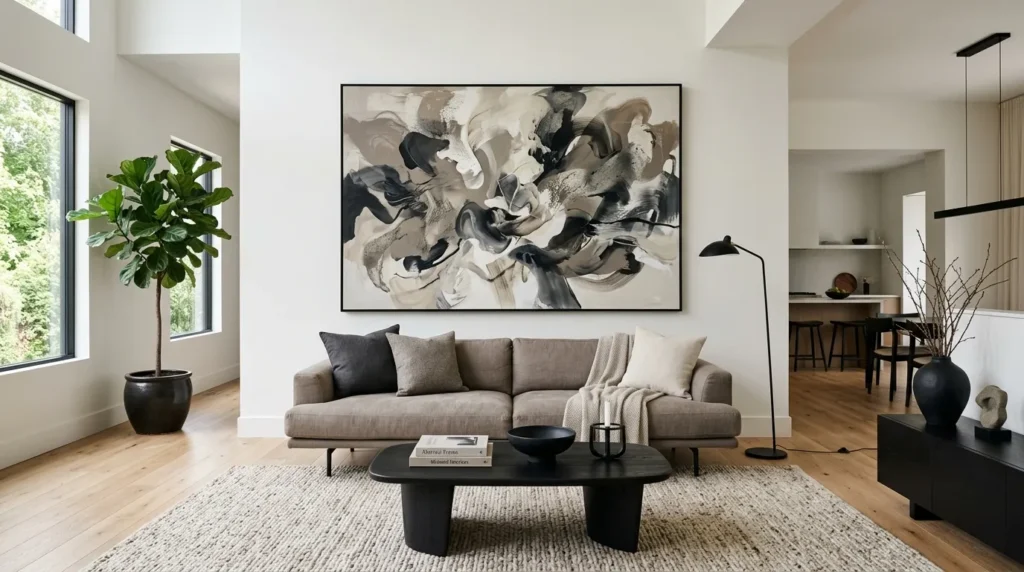
- Fills blank walls without adding clutter.
- Creates an instant designer-style focal point.
- Makes ceilings feel taller and rooms more finished.
- Simplifies styling by letting one piece do more work.
- Helps basic furniture arrangements feel intentional.
Oversized art has a way of making an apartment look instantly more curated. Instead of filling a wall with many small frames that can feel busy, one large piece creates clarity and impact. It gives the eye somewhere to land, which makes the room feel more composed from the moment you walk in. This works especially well in living rooms, bedrooms, and dining areas that need a stronger focal point. Even simple furniture can look more refined when it sits beneath bold, thoughtfully scaled artwork that ties the room together with color, mood, or shape.
Scale is what makes this idea powerful. A piece that is too small often looks accidental, while one that is generously sized feels deliberate and polished. That’s why many designers recommend sizing art to suit the wall and the furniture beneath it rather than buying what is merely convenient. In smaller apartments, oversized art can actually make the room feel larger because it reduces visual fragmentation. I’ve seen this work well in many homes where the goal was to add personality without increasing clutter. One strong canvas can do more than a shelf full of small accessories.
Hidden Storage
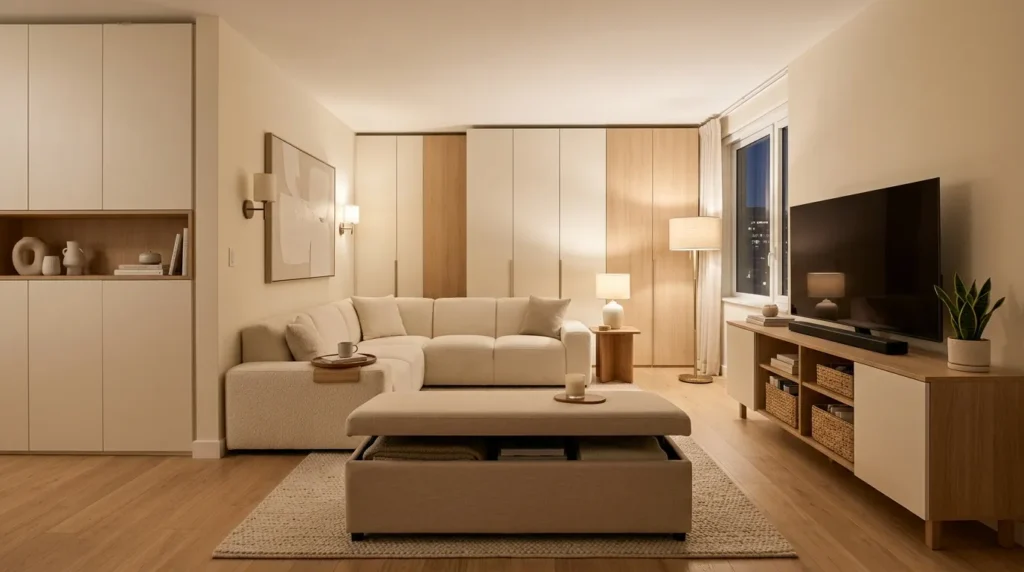
- Keeps daily clutter out of sight.
- Helps small apartments feel calmer and more spacious.
- Supports a cleaner, more polished layout.
- Makes multifunctional rooms easier to manage.
- Blends practicality with a modern look.
Hidden storage is one of the smartest upgrades for apartment living because it solves a real problem while improving the overall look of the room. Clutter is often what makes a home feel unfinished, even when the furniture and decor are attractive. Storage ottomans, under-bed drawers, benches with lift-up lids, and media units with closed cabinets can all help keep the visual field cleaner. Once cords, blankets, papers, and extra items are tucked away, the room immediately feels more spacious. In my experience, a tidy layout almost always looks more expensive than one filled with visible everyday mess.
What makes concealed storage so effective is that it supports how people actually live. Apartments often need one room to serve several functions, and hidden storage makes that flexibility easier to manage without losing style. A console can store work supplies, an entry bench can hide shoes, and a sideboard can hold dining pieces, games, or extra linens. I’ve noticed that when storage blends into the furniture, the space feels calmer because nothing competes for attention. This is one of those upgrades that changes daily life as much as design, which is why it makes such a strong impact.
Mixed Metals
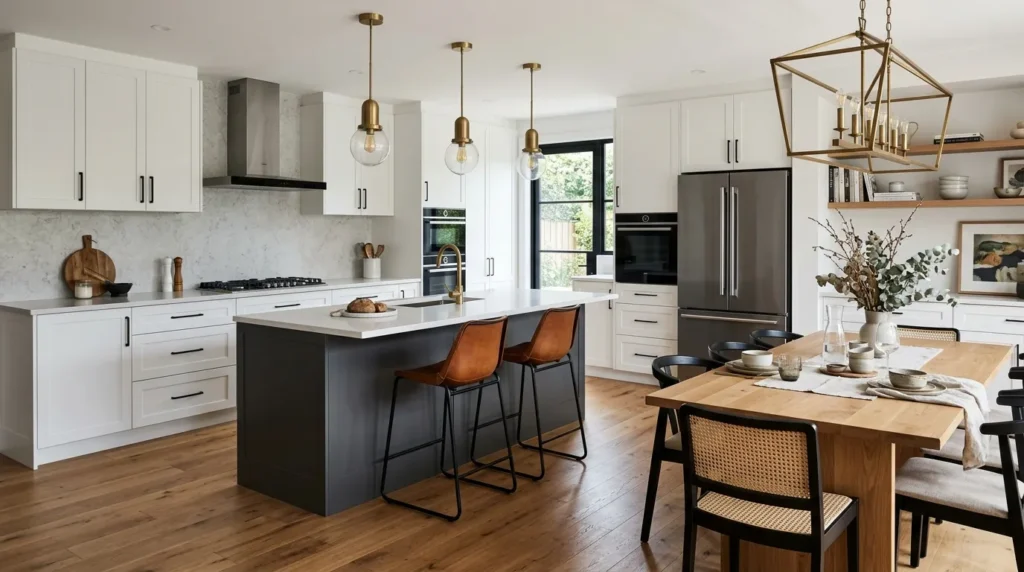
- Adds depth to simple apartments.
- Makes finishes feel collected rather than flat.
- Helps rooms look more customized.
- Works well in kitchens, bathrooms, and living spaces.
- Prevents a modern design from feeling one-note.
Mixed metals can make an apartment feel more layered and intentional when used with balance. A room that relies on only one finish can sometimes feel too matched and slightly predictable. Bringing in two or three complementary metal tones adds variety without creating chaos. Matte black, brushed brass, polished nickel, and chrome can all work together when each one has a clear role. For example, lighting might lean warm, hardware can stay darker, and smaller accessories can introduce a brighter reflective finish. This creates contrast that makes the space feel designed rather than assembled all at once.
The easiest way to make mixed metals look polished is to repeat each finish at least once. A brass lamp can connect to brass picture frames, while black hardware can echo in a chair leg or mirror frame. That repetition is what helps the room feel cohesive. I’ve noticed that the best modern spaces rarely rely on one finish alone because contrast makes them feel more dynamic. This approach also lets you update your apartment gradually, since you do not need to replace everything to create a coordinated look. A few thoughtful additions can completely shift the room’s style.
Mirror Placement
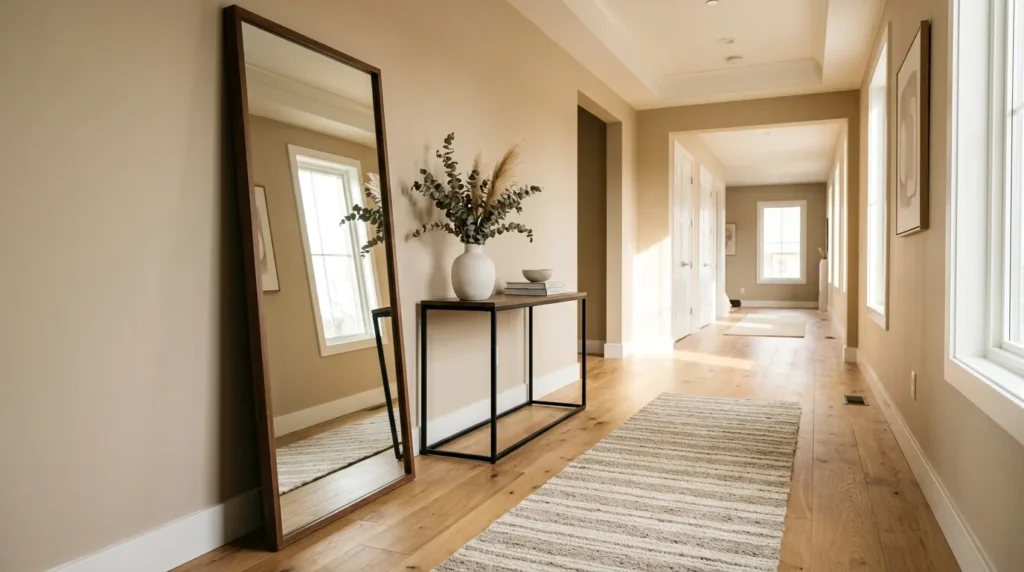
- Reflects light and makes rooms feel larger.
- Improves depth in narrow or dark areas.
- Adds style while serving a practical purpose.
- Helps small apartments feel more open.
- Works well in living rooms, bedrooms, and entryways.
A well-placed mirror can make an apartment feel brighter, taller, and more open almost immediately. This is especially helpful in spaces with limited windows, narrow hallways, or compact living areas that need more visual breathing room. Mirrors do more than reflect your outfit before heading out. They bounce light, extend sightlines, and create the impression of extra square footage. In my experience, one large mirror often works better than several small ones because it has a cleaner visual effect. It expands the room without adding the clutter that too many reflective pieces can sometimes create.
Placement matters just as much as the mirror itself. Positioning it across from a window helps bring more daylight into the room, while placing it near a dining area or entry wall can add both function and elegance. I’ve seen this work well in many homes where a single leaning mirror softened a plain corner and made the entire room feel more finished. Choose frames that suit the space, whether that means thin black metal, warm wood, or a clean frameless edge. A thoughtfully placed mirror is one of the easiest ways to upgrade an apartment fast.
Cozy Minimalism
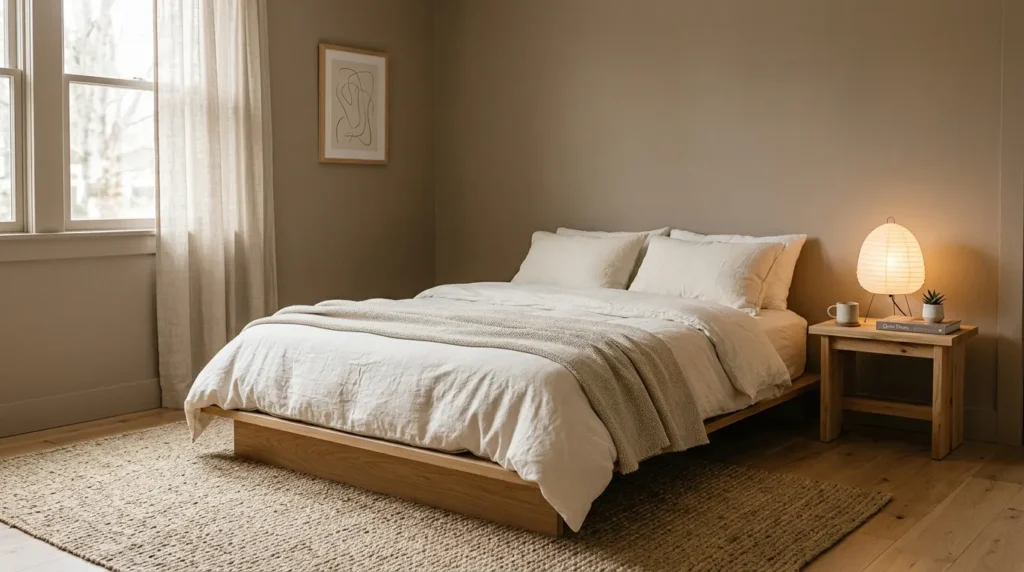
- Keeps the apartment clean without feeling bare.
- Supports a calmer and more restful environment.
- Makes decor choices look intentional.
- Blends comfort with modern simplicity.
- Helps small spaces stay functional and beautiful.
Cozy minimalism is often the sweet spot for apartment design because it combines simplicity with comfort. A purely minimal room can look sharp, but it may also feel too stark for daily life. On the other hand, an overly decorated room can quickly feel crowded. Cozy minimalism solves that tension by focusing on fewer items, softer textures, and better styling choices. Clean lines, neutral tones, layered bedding, warm lighting, and edited decor create a space that feels restful and modern at once. That is why this look continues to work so well in real homes across different styles.
The goal is not to own less for the sake of appearance. The goal is to keep what adds value and remove what interrupts the calm. I’ve noticed that apartments feel most inviting when every visible piece has a purpose, whether practical, visual, or emotional. A textured throw, a small stack of books, one beautiful lamp, and a well-placed chair can do far more than shelves packed with random decor. In my experience, cozy minimalism lasts because it supports everyday living. It feels clean enough to look modern and warm enough to feel like home.
Conclusion
The best apartment upgrades are often the ones that improve both atmosphere and function at the same time. Warm wood, oversized art, hidden storage, mixed metals, smart mirror placement, and cozy minimalism all work because they make a home feel more polished without making it feel less livable. These ideas are not about chasing trends for a season. They are about shaping a space that feels brighter, calmer, more useful, and more personal every day.
When you step back and look at the full picture, the most successful homes usually rely on a few consistent principles. They use texture to add warmth, scale to create focus, lighting to build mood, and storage to protect visual calm. That is what makes modern apartment ideas so effective when they are applied thoughtfully. You do not need a massive budget or a full redesign to see a big difference. Small, intentional updates can transform the way your apartment looks, feels, and supports your daily life.
Meta Description:
Discover 11 modern apartment ideas that instantly upgrade your home. Simple, stylish, and practical tips to make your space feel bigger, brighter, and more luxurious without a full renovation.