10 Side House Walkway Design Ideas
Primary Keyword: side house walkway design ideas
Category: Home Decor / Outdoor Living
Introduction`
The side of a house is often one of the most overlooked areas in landscape design. While homeowners typically focus on front yard curb appeal and backyard entertaining spaces, side walkways frequently become forgotten passages used only for access. However, with thoughtful planning and creative design, these narrow spaces can become attractive, functional extensions of your outdoor living area.
A well-designed side walkway does much more than connect one area of the property to another. It improves accessibility, enhances drainage, increases curb appeal, and creates a polished appearance that makes the entire landscape feel intentional. Whether your side yard is wide and open or narrow and compact, there are countless ways to transform it into a visually appealing pathway that complements your home’s architecture.
I’ve noticed that many homeowners struggle with side yard spaces because they often feel awkward, shaded, or difficult to landscape. The good news is that some of the most beautiful outdoor transformations happen in these underutilized areas. By combining practical materials, thoughtful lighting, attractive plantings, and functional layouts, a simple walkway can become a standout feature.
In this guide, you’ll discover inspiring side house walkway design ideas that blend beauty and practicality. From rustic stone pathways to modern paver designs, these ideas can help you create a welcoming and functional outdoor space that enhances your home’s overall appeal.
Table of Contents
1. Natural Stone Path
Create timeless charm with organic materials.
2. Modern Paver Walkway
Achieve a clean and contemporary look.
3. Gravel Garden Trail
Combine affordability with rustic beauty.
4. Stepping Stone Design
Add visual interest through layered landscaping.
5. Brick Cottage Path
Bring classic character to outdoor spaces.
6. Illuminated Walkway Borders
Enhance safety and nighttime appeal.
7. Lush Green Corridor
Transform narrow spaces with landscaping.
8. Wood And Stone Mix
Blend textures for rustic elegance.
9. Decorative Privacy Screen
Create a secluded garden pathway.
10. Curved Landscape Route
Introduce movement and visual softness.
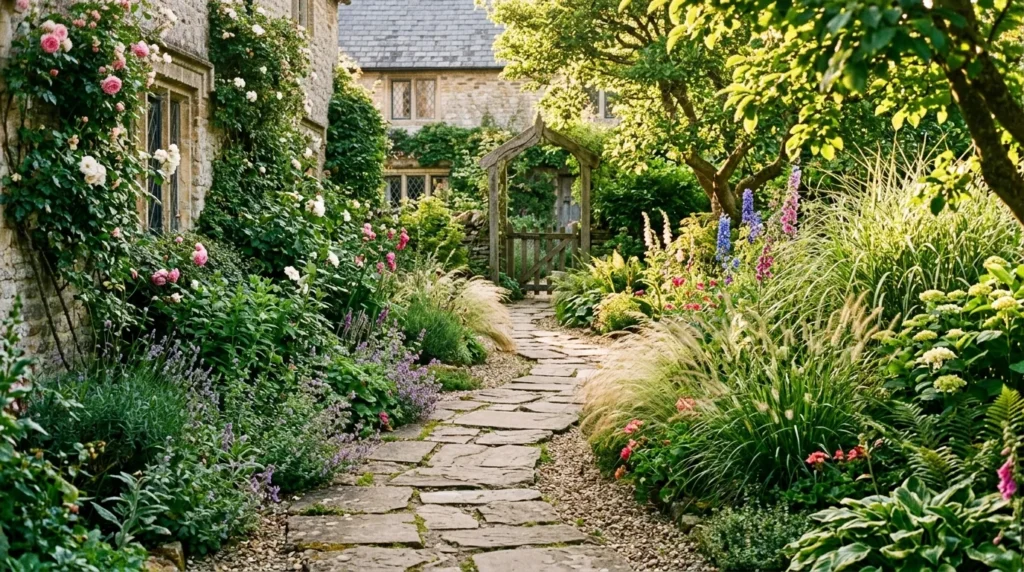
1. Natural Stone Path
Quick Benefits
- Timeless appearance
- Durable material
- Natural aesthetic
- Increases property appeal
- Complements landscaping
Why It Works
Natural stone pathways offer a classic look that blends beautifully with nearly any architectural style. The variation in color, texture, and shape creates visual interest while maintaining a natural appearance. One thing that works especially well is allowing grass or ground cover to soften the edges of the pathway.
Stone paths feel established and organic, helping outdoor spaces look mature and thoughtfully designed rather than newly constructed.
How To Style It
Choose irregular flagstone or natural stone slabs for a relaxed appearance. Surround the path with ornamental grasses, flowering perennials, and low-maintenance shrubs.
Add subtle landscape lighting to highlight textures and improve visibility after sunset.
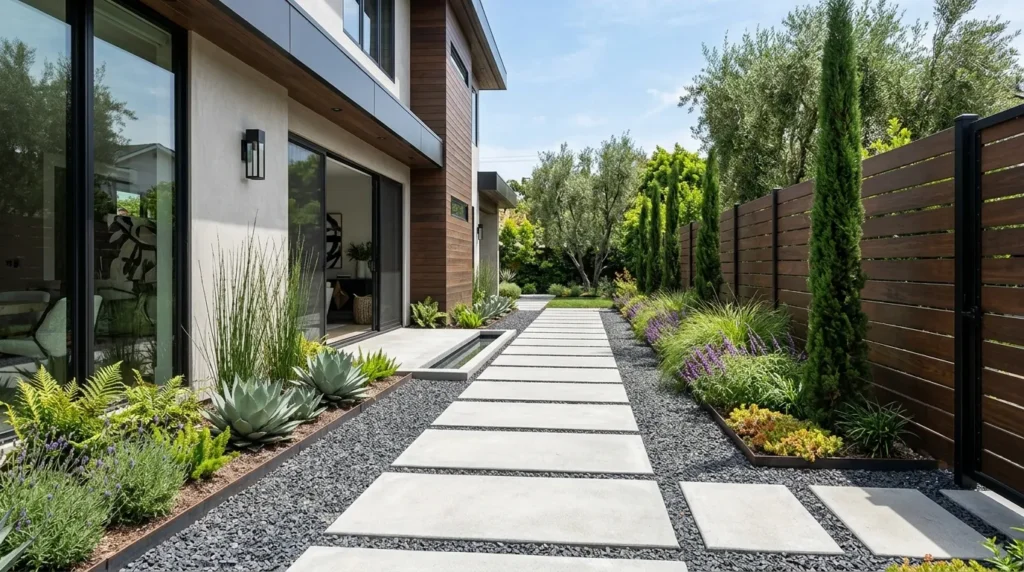
2. Modern Paver Walkway
Quick Benefits
- Clean appearance
- Low maintenance
- Highly durable
- Contemporary style
- Flexible layouts
Why It Works
Large-format pavers create sleek lines and structured layouts that suit modern homes beautifully. Their uniform appearance helps narrow side yards feel organized and intentional.
Many designers recommend pavers because they provide a balance between functionality and visual appeal while remaining easy to maintain over time.
How To Style It
Use oversized concrete pavers separated by decorative gravel. Pair with minimalist landscaping, architectural plants, and simple lighting fixtures.
Choose neutral colors such as charcoal, gray, or beige for timeless appeal.
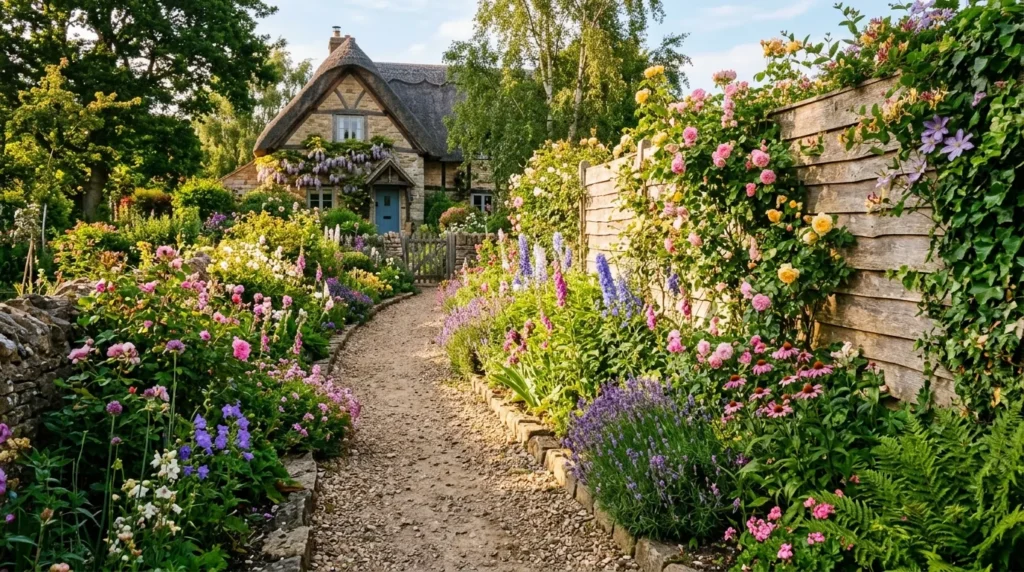
3. Gravel Garden Trail
Quick Benefits
- Budget-friendly
- Excellent drainage
- Easy installation
- Rustic charm
- Flexible design
Why It Works
Gravel walkways offer texture and character while remaining one of the most affordable landscaping solutions. The crunch underfoot creates a pleasant sensory experience and reinforces a relaxed garden atmosphere.
I’ve seen gravel transform neglected side yards into charming pathways with surprisingly little investment.
How To Style It
Use edging materials such as steel, brick, or stone to define the path. Add drought-tolerant plants, decorative containers, and climbing vines along fences.
Select gravel colors that complement your home’s exterior finishes.
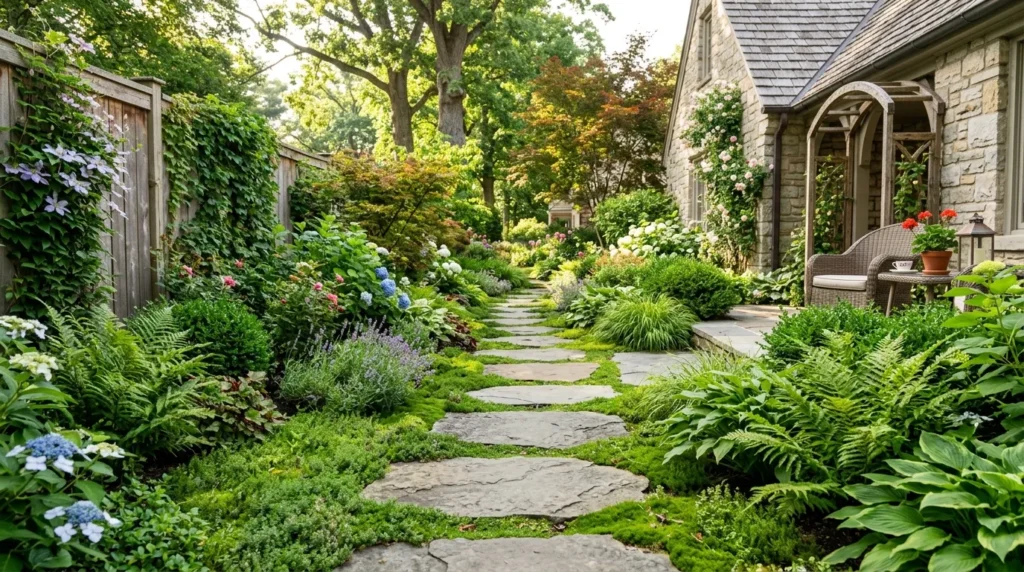
4. Stepping Stone Design
Quick Benefits
- Casual elegance
- Natural appearance
- Easy customization
- Enhances landscaping
- Budget-conscious option
Why It Works
Stepping stones break up hardscape surfaces and introduce a softer, more natural feel. They allow landscaping to become part of the pathway design rather than simply bordering it.
This approach works especially well in cottage gardens and relaxed outdoor environments.
How To Style It
Place stones evenly to create comfortable walking distances. Fill gaps with ground cover plants, gravel, or decorative mulch.
Mix different plant textures to create depth and visual interest.
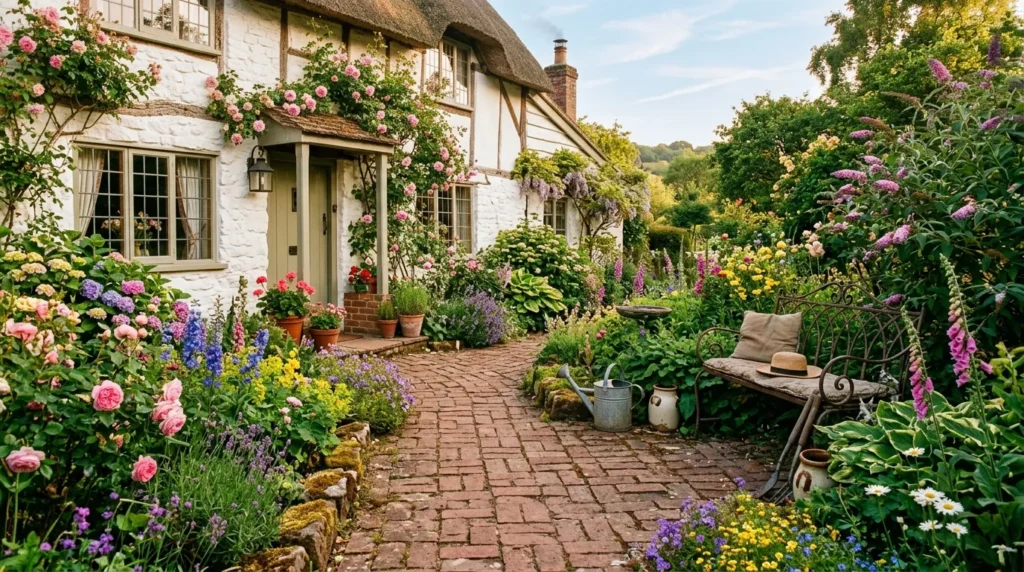
5. Brick Cottage Path
Quick Benefits
- Traditional charm
- Long-lasting material
- Warm color palette
- Timeless appeal
- Versatile styling
Why It Works
Brick walkways evoke classic cottage and farmhouse character. Their warm tones create a welcoming atmosphere while complementing both historic and modern homes.
That’s why many homeowners choose brick when aiming for a landscape that feels established and inviting.
How To Style It
Lay bricks in herringbone or basketweave patterns for additional detail. Surround the pathway with flowering plants, boxwoods, and vintage-inspired garden accents.
Allow some natural weathering to enhance the rustic appeal.
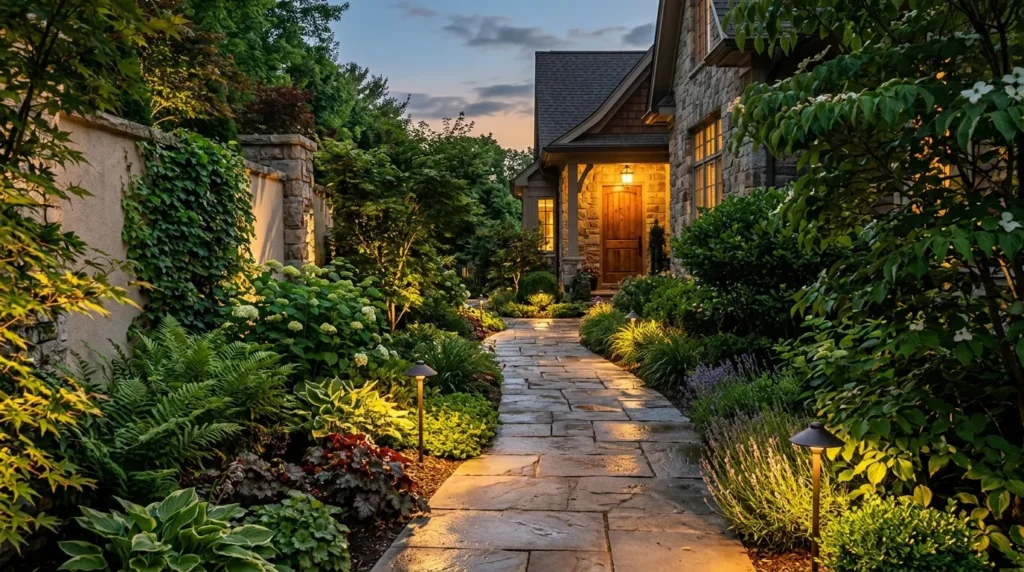
6. Illuminated Walkway Borders
Quick Benefits
- Improves safety
- Extends usability
- Highlights landscaping
- Adds curb appeal
- Creates ambiance
Why It Works
Lighting transforms a functional pathway into a dramatic design feature. Soft illumination guides visitors while showcasing landscaping and architectural details.
A mistake many homeowners make is treating lighting as an afterthought rather than an integral design element.
How To Style It
Install low-profile LED lights along pathway edges. Use warm lighting temperatures for a welcoming appearance.
Highlight focal points such as trees, decorative screens, or garden beds.
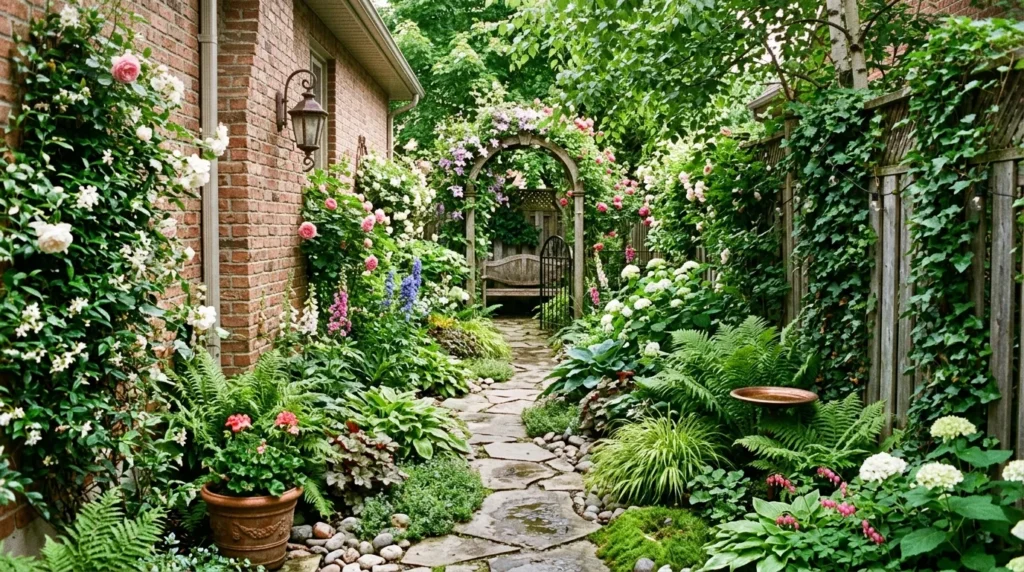
7. Lush Green Corridor
Quick Benefits
- Enhances privacy
- Softens hard surfaces
- Creates garden atmosphere
- Improves visual appeal
- Encourages relaxation
Why It Works
Dense landscaping can transform a simple walkway into an immersive garden experience. Layers of greenery create depth, texture, and movement while helping narrow spaces feel intentional rather than cramped.
If you’re anything like me, walking through a lush garden path feels far more enjoyable than passing through a plain side yard.
How To Style It
Combine shrubs, ornamental grasses, ferns, and climbing vines. Use varying heights to create a layered appearance.
Maintain pathways wide enough for comfortable movement while allowing plants to soften the edges.
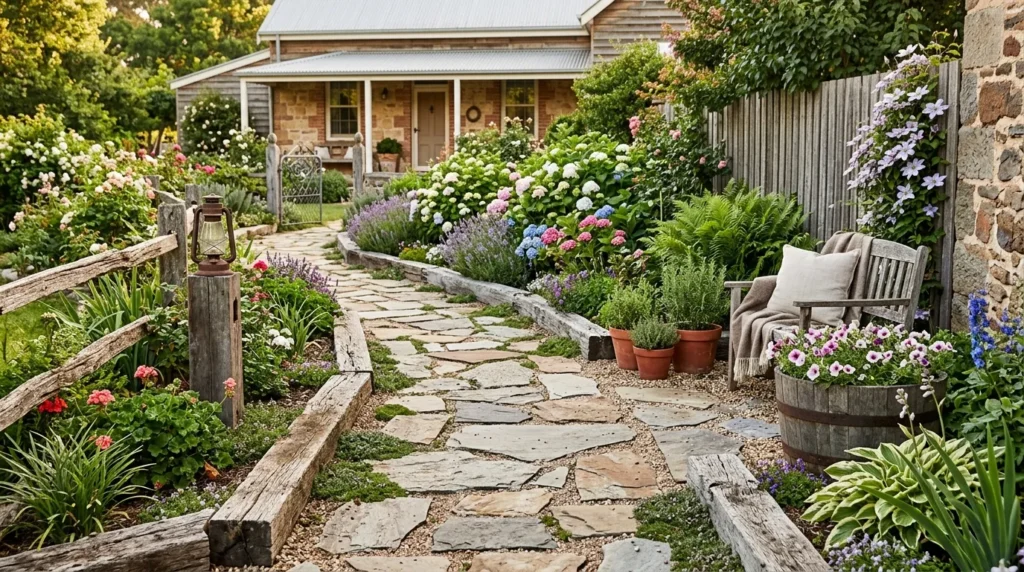
8. Wood And Stone Mix
Quick Benefits
- Rustic sophistication
- Rich textures
- Unique appearance
- Natural warmth
- High visual interest
Why It Works
Combining wood and stone introduces contrast that feels both natural and refined. The warmth of wood balances the permanence of stone, creating a pathway that feels welcoming and visually dynamic.
This combination works particularly well for farmhouse, cabin, and rustic-inspired properties.
How To Style It
Use timber edging alongside stone pathways or integrate wooden stepping platforms within gravel surfaces.
Coordinate materials with existing outdoor structures for a cohesive look.
9. Decorative Privacy Screen
Quick Benefits
- Enhances privacy
- Defines space
- Decorative feature
- Supports climbing plants
- Creates focal point
Why It Works
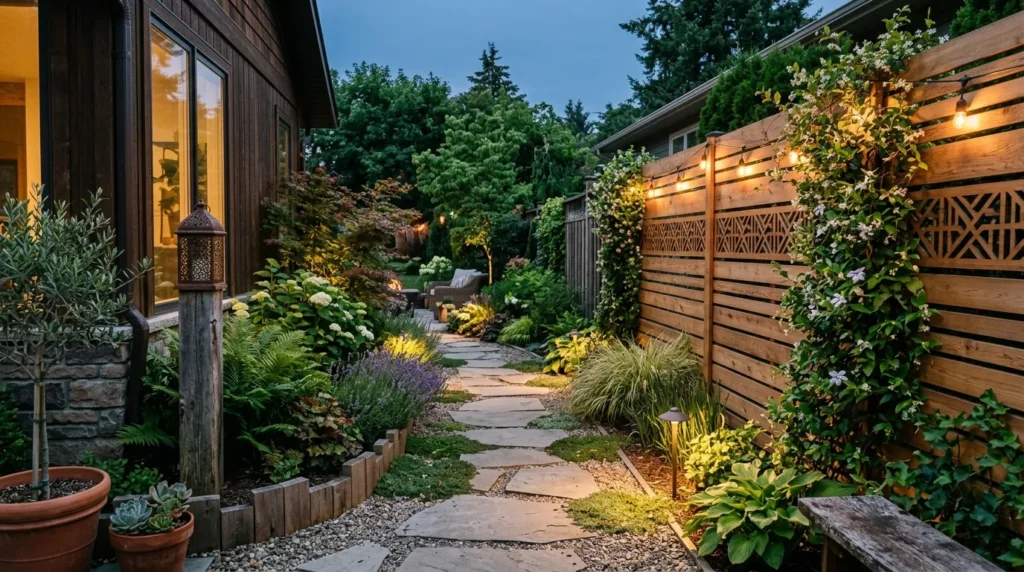
Privacy screens make side walkways feel more intimate and purposeful. They can conceal utilities, fencing, or neighboring structures while adding architectural interest.
Many designers use decorative screens to turn narrow pathways into attractive garden destinations.
How To Style It
Choose wood slats, metal panels, or lattice screens. Add climbing roses, jasmine, or ivy for softness and seasonal interest.
Pair screens with pathway lighting for added impact.
10. Curved Landscape Route
Quick Benefits
- Softens narrow spaces
- Adds visual movement
- Creates interest
- Improves flow
- Enhances landscaping
Why It Works
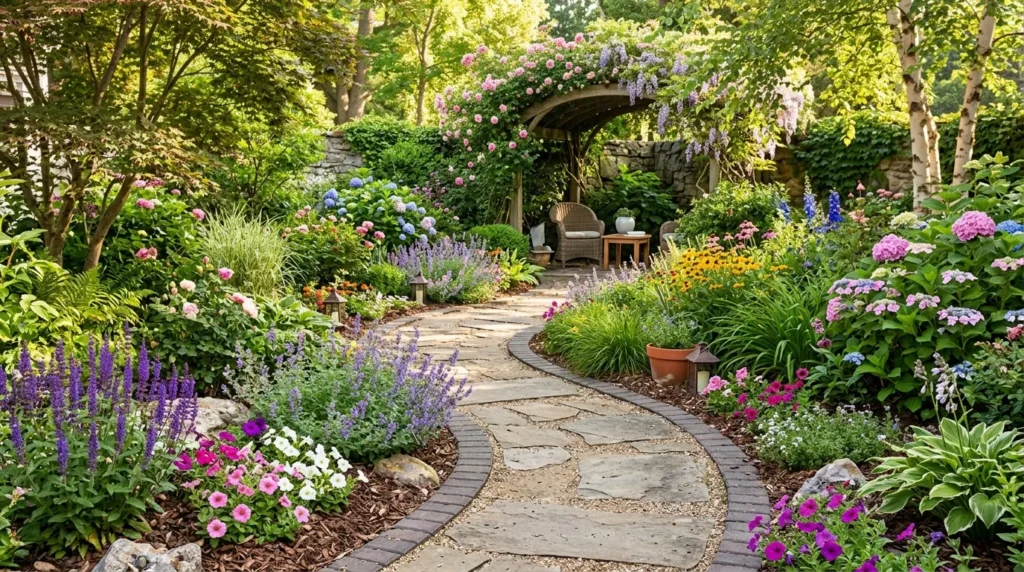
Curved pathways naturally guide the eye and create a more relaxed experience. Even slight curves can make a side yard feel larger and more inviting.
Straight pathways often emphasize narrow dimensions, while curves introduce visual variety and movement.
How To Style It
Use curved edging materials and layered plantings to reinforce the shape. Incorporate focal points such as planters, benches, or decorative features along the route.
Keep materials consistent throughout the design for cohesion.
Frequently Asked Questions
What is the best material for a side house walkway?
The best material depends on your style and budget. Popular options include natural stone, pavers, gravel, brick, and concrete because they offer durability and visual appeal.
How wide should a side yard walkway be?
Most comfortable walkways are between 3 and 4 feet wide, allowing people to walk easily while maintaining adequate landscaping space.
How can I make a narrow side yard look wider?
Use light-colored materials, layered landscaping, and subtle curves. Avoid overcrowding the space with large plants or bulky features.
Are gravel walkways difficult to maintain?
Gravel paths are relatively low maintenance. Periodic raking, weed control, and occasional gravel replenishment help keep them looking their best.
Should side walkways include lighting?
Yes. Lighting improves safety, enhances aesthetics, and makes the space more functional after dark.
What plants work best along side yard walkways?
Shade-tolerant shrubs, ornamental grasses, ferns, hostas, and climbing vines are excellent choices depending on sunlight conditions.
Conclusion
A thoughtfully designed side walkway can dramatically improve both the appearance and functionality of your outdoor space. Rather than treating the side of your home as a simple passageway, consider it an opportunity to add beauty, character, and value to your property.
Whether you prefer the timeless appeal of natural stone, the clean lines of modern pavers, or the charm of a lush garden corridor, there are countless ways to personalize your design. Focus on selecting materials that complement your home’s architecture while creating a comfortable and inviting path.
Even small updates such as lighting, edging, or decorative plantings can make a noticeable difference. Start with one or two improvements and gradually transform your side yard into a space that feels as intentional and beautiful as the rest of your landscape.
Related Articles
- Front Yard Landscaping Ideas
- Modern Garden Path Designs
- Small Backyard Makeover Ideas
- Farmhouse Outdoor Decor
- DIY Landscape Lighting Ideas