10 Japanese Garden Ideas Small Spaces
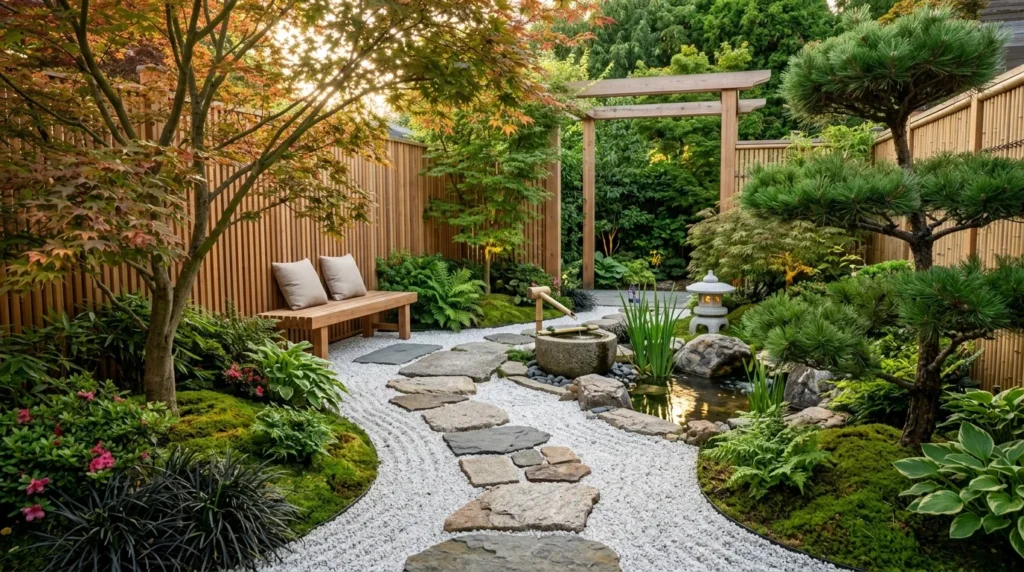
Creating a peaceful outdoor retreat does not require a large backyard. Small Japanese gardens prove that even the smallest spaces can become calming, beautiful, and deeply connected to nature. Inspired by traditional Japanese design principles, these gardens focus on simplicity, balance, natural materials, and thoughtful placement.
Unlike gardens that rely on large flower displays or excessive decoration, Japanese-inspired spaces create beauty through carefully chosen elements. Stone pathways, moss, water features, bamboo, greenery, and minimalist arrangements work together to create a sense of harmony.
In my experience, small gardens often benefit the most from Japanese design because every element has a purpose. Instead of trying to fill every corner, this style encourages homeowners to create breathing space and highlight a few meaningful features.
A small patio, balcony, side yard, or compact backyard can be transformed into a peaceful escape by using the right combination of textures, plants, and decorative details. The goal is not to recreate a massive traditional garden but to capture the feeling of tranquility and connection with nature.
Whether you live in an urban home, have limited outdoor space, or simply want a low-maintenance garden, these Japanese garden ideas will help you create a relaxing environment that feels timeless and elegant.
Table of Contents
1. Zen Rock Garden
Create a peaceful minimalist landscape.
2. Bamboo Privacy Wall
Add natural privacy and texture.
3. Stone Pathway Design
Create movement through the garden.
4. Mini Water Features
Introduce calming sounds and beauty.
5. Japanese Plant Layers
Build a balanced natural look.
6. Tea Garden Corners
7. Wooden Garden Elements
8. Moss Green Accents
9. Minimal Garden Lighting
10. Small Meditation Spaces
1. Zen Rock Garden
Quick Benefits
- Creates a peaceful atmosphere
- Requires low maintenance
- Works in small spaces
- Adds minimalist beauty
- Encourages relaxation
Why It Works
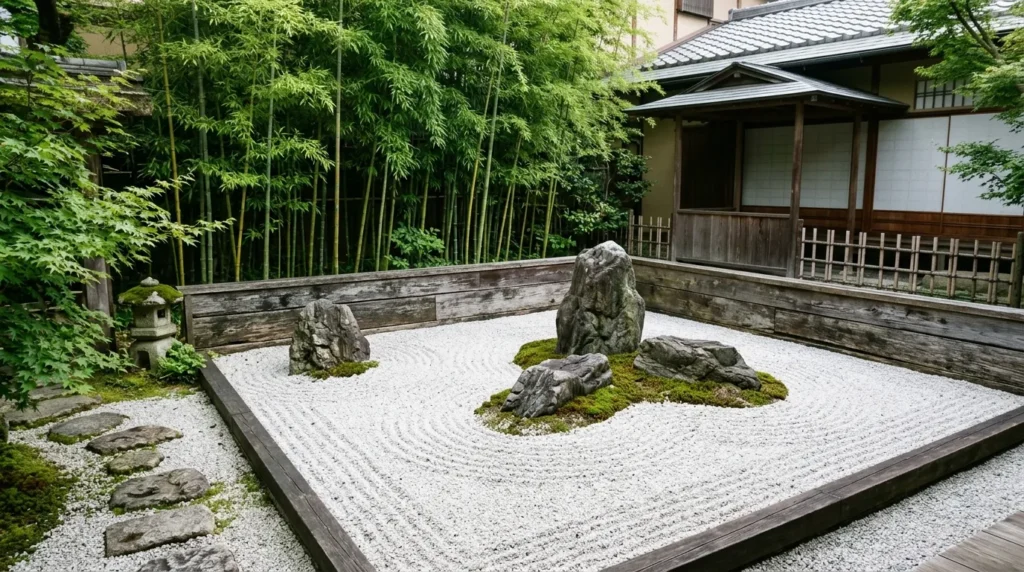
Zen rock gardens are one of the most recognizable elements of Japanese landscape design because they represent simplicity, balance, and mindfulness. Instead of relying on colorful flowers, these gardens use rocks, gravel, sand, and carefully arranged patterns to create visual harmony.
I’ve noticed that minimalist gardens often feel larger because they avoid unnecessary clutter. The open space allows each element to become a focal point.
A small Zen garden can bring a calming presence to patios, corners, balconies, or narrow outdoor areas.
How To Style It
Create a small gravel area using white stones, sand, or fine gravel.
Add carefully placed rocks in different sizes to create natural balance.
Use a wooden rake to create simple patterns in the gravel.
Surround the area with greenery, bamboo, or simple lanterns for a more authentic Japanese-inspired appearance.
2. Bamboo Privacy Wall
Quick Benefits
- Adds natural privacy
- Creates a tropical feel
- Softens outdoor spaces
- Provides texture
- Works in small gardens
Why It Works
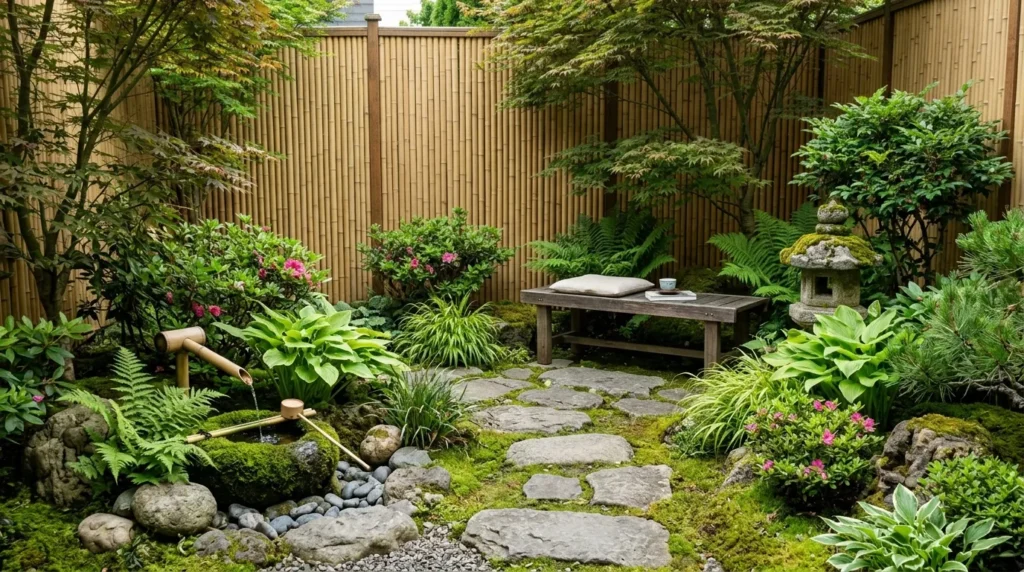
Bamboo is one of the most popular plants associated with Japanese gardens because it adds height, movement, and natural beauty. In small spaces, bamboo can act as both decoration and a functional privacy solution.
One thing that works especially well is using bamboo vertically because it draws the eye upward and makes compact gardens feel taller.
Bamboo creates a peaceful atmosphere while adding a natural boundary between your garden and surrounding areas.
How To Style It
Use bamboo plants along fences, walls, or seating areas.
For smaller spaces, consider bamboo screens or panels instead of large plantings.
Combine bamboo with stone, wood, and soft lighting to create a serene outdoor retreat.
3. Stone Pathway Design
Quick Benefits
- Adds structure
- Creates visual flow
- Enhances natural style
- Makes gardens feel intentional
- Improves accessibility
Why It Works
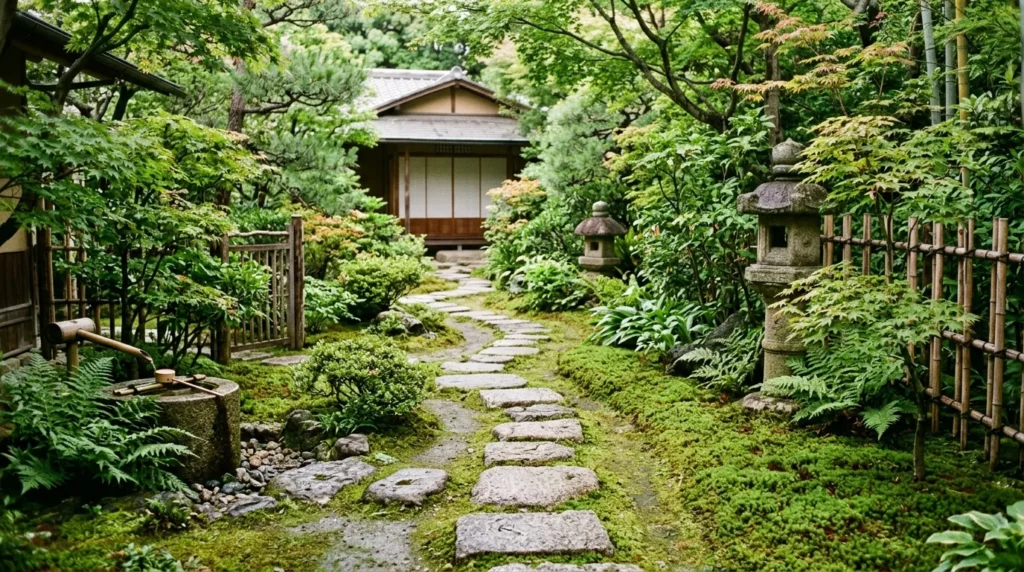
Stone pathways are an essential part of Japanese garden design because they guide movement and encourage visitors to slow down and appreciate the surroundings.
I’ve found that even a simple pathway can completely change how a small garden feels. It creates direction and makes the space feel thoughtfully planned.
Natural stones provide texture and connect the garden with the earth.
How To Style It
Use flat stepping stones surrounded by gravel, moss, or ground plants.
Create curved pathways instead of perfectly straight lines to achieve a more natural feeling.
Pair stones with lanterns, bamboo, and low-growing greenery for a traditional-inspired look.
4. Mini Water Features
Quick Benefits
- Adds relaxation
- Creates soothing sounds
- Enhances beauty
- Becomes a focal point
- Works in compact areas
Why It Works
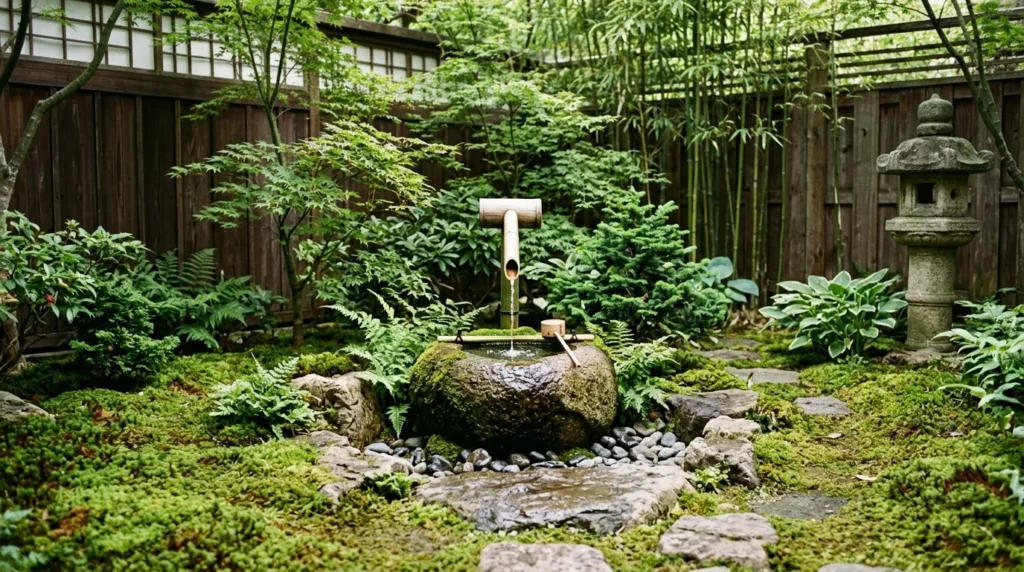
Water represents calmness and movement in Japanese gardens. Even a small water feature can introduce a peaceful atmosphere and make an outdoor area feel more luxurious.
A mistake many homeowners make is assuming water features require large spaces. Small fountains, bamboo water spouts, and compact ponds can create a similar feeling.
How To Style It
Add a small stone fountain, bamboo fountain, or tabletop water feature.
Surround it with rocks, moss, and plants to blend it naturally into the garden.
Place water features near seating areas where the relaxing sounds can be enjoyed.
5. Japanese Plant Layers
Quick Benefits
- Creates natural depth
- Adds seasonal beauty
- Improves privacy
- Creates balance
- Brings nature closer
Why It Works
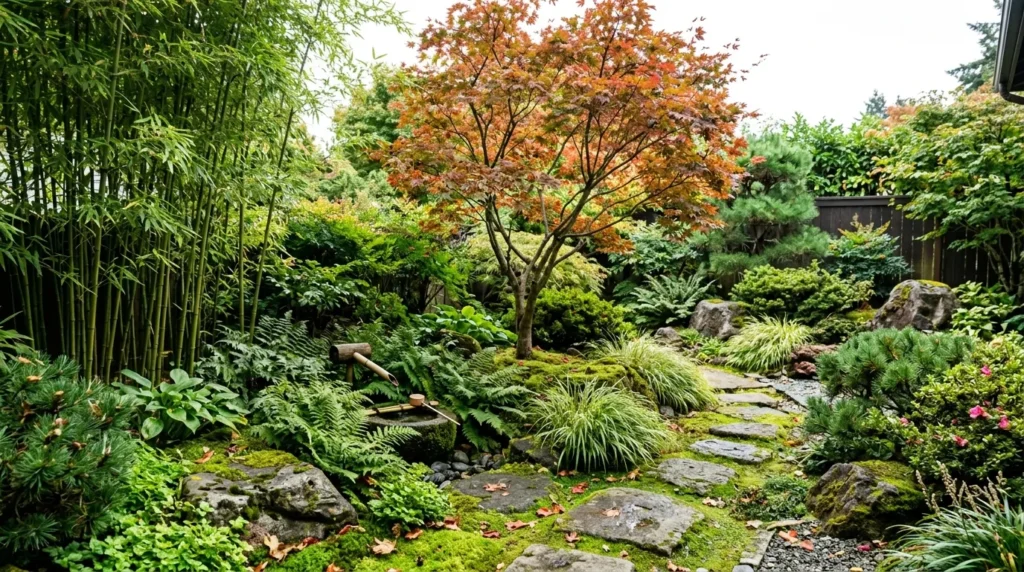
Japanese gardens focus on creating harmony through carefully selected plants rather than overwhelming spaces with too much greenery. Each plant contributes to texture, color, and seasonal interest.
In my experience, small gardens look more sophisticated when they include different heights and textures instead of many random plants.
Traditional Japanese-inspired plants often emphasize shape and structure.
How To Style It
Use plants such as Japanese maple, ferns, moss, ornamental grasses, bamboo, and evergreen shrubs.
Layer taller plants in the background and smaller plants near pathways or seating areas.
Choose greenery that provides beauty throughout different seasons.
6. Tea Garden Corners
Quick Benefits
- Creates a peaceful retreat
- Adds purpose to small spaces
- Encourages relaxation
- Brings traditional Japanese charm
- Works in patios and balconies
Why It Works
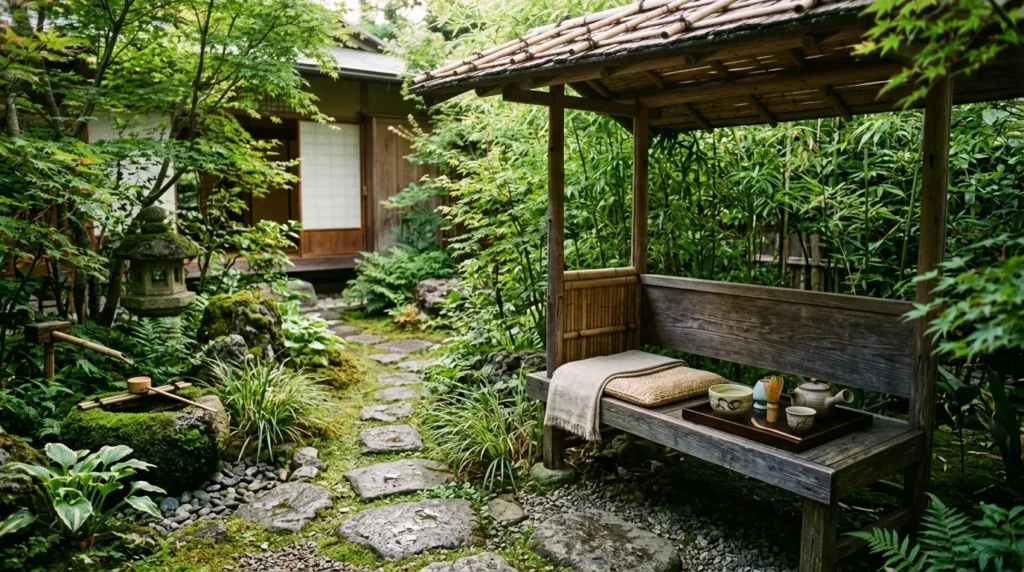
Tea garden corners are inspired by traditional Japanese tea gardens, which are designed to create a slow, mindful experience. The focus is not on decoration alone but on creating a peaceful transition between everyday life and relaxation.
I’ve noticed that small outdoor areas often become more enjoyable when they have a clear purpose. A dedicated corner for sitting, reading, drinking tea, or enjoying nature makes the garden feel more intentional.
Even a tiny outdoor area can become a calming escape when designed with simplicity and balance.
How To Style It
Create a small seating area with a wooden bench, low chair, or simple outdoor cushions.
Add natural materials like stone, bamboo, wood, and ceramic accessories.
Place the seating near greenery, a small pathway, or a water feature to create a peaceful atmosphere.
Keep decorations minimal and focus on comfort, natural textures, and quiet beauty.
7. Wooden Garden Elements
Quick Benefits
- Adds warmth
- Creates natural texture
- Complements greenery
- Enhances traditional style
- Makes spaces feel inviting
Why It Works
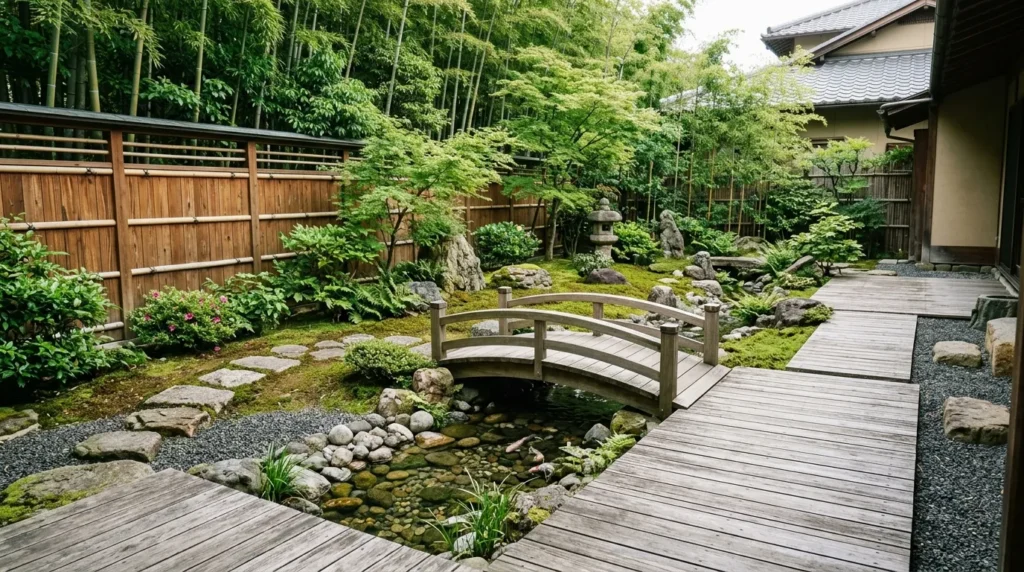
Wood is an important material in Japanese garden design because it brings warmth and a connection to nature. Unlike synthetic materials, wood creates a softer and more organic feeling outdoors.
One simple trick I always suggest is combining different natural materials instead of relying on only one. Wood paired with stone, plants, and water creates a balanced landscape.
Wooden elements also help small gardens feel more designed without making them appear crowded.
How To Style It
Add wooden benches, fences, gates, decking, or small bridges.
Choose natural finishes that highlight the beauty of the material.
Combine wooden features with bamboo, gravel, moss, and stone lanterns for a peaceful Japanese-inspired look.
8. Moss Green Accents
Quick Benefits
- Creates a soft natural look
- Adds texture
- Enhances tranquility
- Works in shaded areas
- Complements stone features
Why It Works
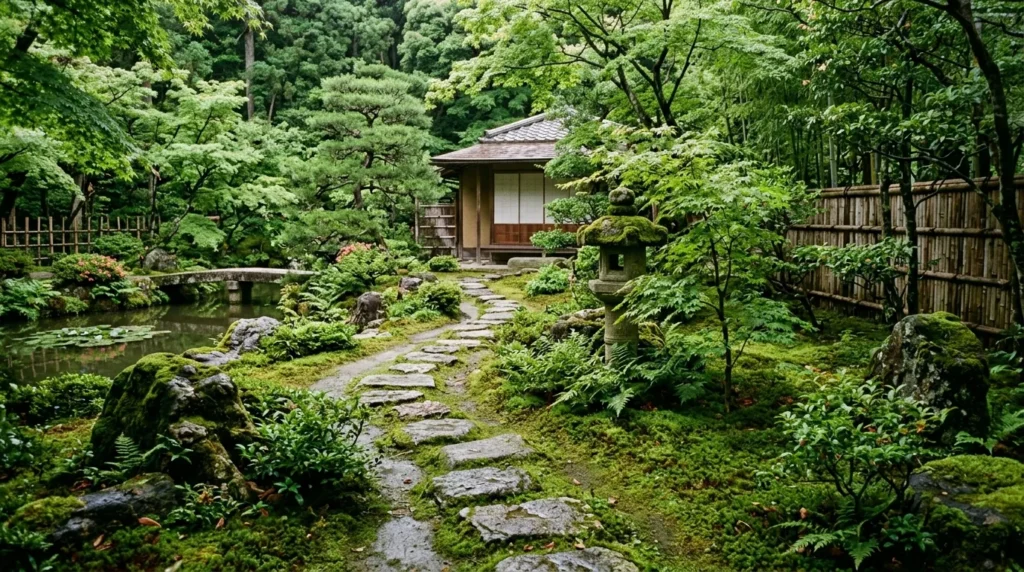
Moss is often associated with Japanese gardens because it creates a sense of age, calmness, and connection with nature. Its soft texture adds depth and makes gardens feel established and peaceful.
I’ve seen that adding moss-like greenery can instantly make a small outdoor area feel more natural and less artificial.
Moss works especially well in spaces where traditional lawns are difficult to maintain.
How To Style It
Use moss between stepping stones, around rocks, or beneath trees and plants.
For areas where real moss is difficult to grow, use moss-inspired ground covers or shade-loving plants.
Combine green textures with stone pathways and wooden elements for a natural appearance.
9. Minimal Garden Lighting
Quick Benefits
- Extends outdoor enjoyment
- Creates evening ambiance
- Highlights garden features
- Improves safety
- Adds elegance
Why It Works
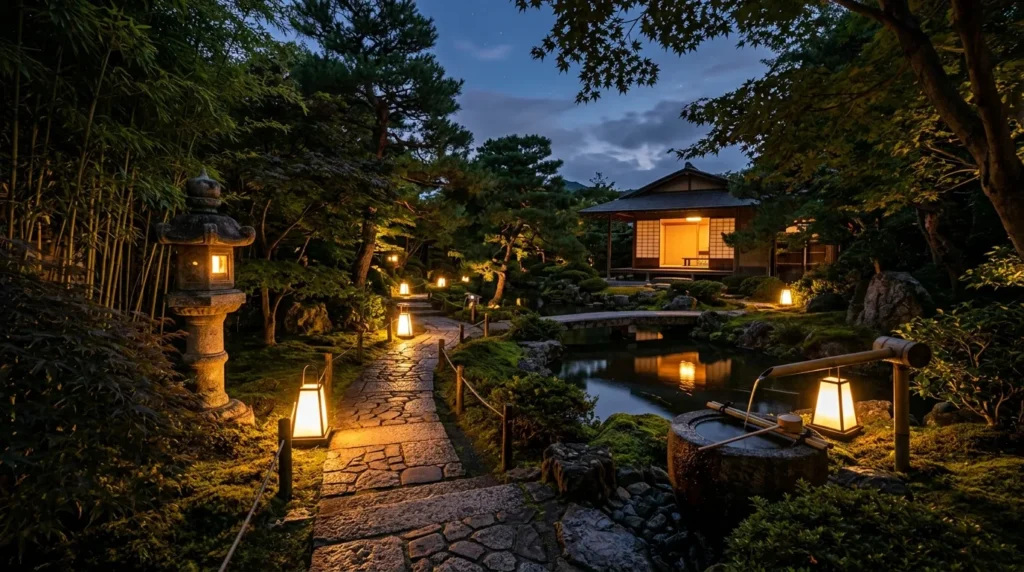
Japanese gardens often use subtle lighting to enhance natural beauty rather than overpowering the landscape. The goal is to create a soft glow that highlights important elements like pathways, plants, and water.
In my experience, gentle lighting creates a completely different feeling after sunset. Small gardens can become incredibly peaceful with the right illumination.
How To Style It
Use warm pathway lights, small lanterns, hidden LED lighting, or solar garden lights.
Place lighting near stepping stones, plants, water features, and seating areas.
Avoid overly bright fixtures. Soft, warm lighting creates a more authentic peaceful atmosphere.
10. Small Meditation Spaces
Quick Benefits
- Creates personal relaxation areas
- Makes gardens more meaningful
- Encourages mindfulness
- Uses small spaces effectively
- Adds emotional value
Why It Works
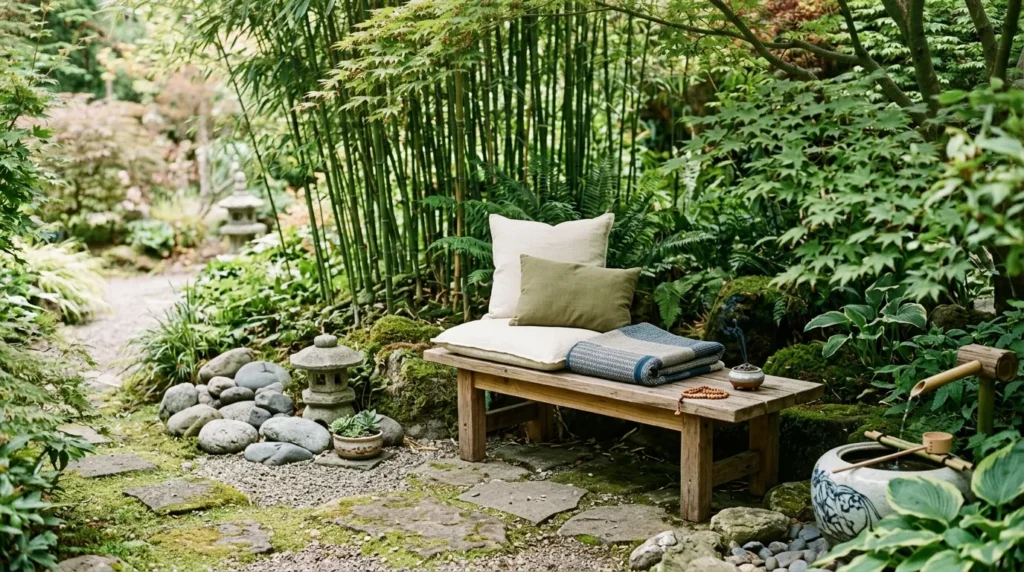
Japanese garden design is deeply connected with creating moments of peace and reflection. A small meditation area allows homeowners to enjoy their outdoor space beyond appearance.
A common mistake is designing gardens only for visual appeal. The most memorable outdoor spaces also support how people want to feel and live.
How To Style It
Create a quiet corner with a comfortable cushion, wooden bench, or simple chair.
Surround the area with calming plants, stones, bamboo, or gentle lighting.
Keep the design uncluttered and choose elements that encourage relaxation, reading, meditation, or quiet conversations.
Frequently Asked Questions
Can I create a Japanese garden in a very small space?
Yes. Japanese garden design works especially well in small spaces because it focuses on simplicity and intentional placement. A balcony, patio, side yard, or small backyard can include elements like stones, bamboo, plants, and water features.
What plants are best for a small Japanese garden?
Popular choices include Japanese maple, bamboo, ferns, moss, ornamental grasses, evergreen shrubs, and flowering plants that provide seasonal interest.
How do I make my garden feel more Japanese?
Focus on natural materials, simple layouts, balance, and peaceful elements. Add stone pathways, bamboo, water features, wooden accents, and carefully selected plants.
Are Japanese gardens difficult to maintain?
Many Japanese-inspired gardens are relatively low maintenance because they rely on rocks, gravel, evergreen plants, and simple landscaping rather than large flower beds.
What colors work best in Japanese garden design?
Natural colors work best, including greens, browns, gray stones, soft earth tones, and subtle seasonal colors from plants.
Can Japanese garden ideas work with modern homes?
Yes. Modern Japanese gardens often combine traditional elements with contemporary materials, creating clean, elegant outdoor spaces that complement modern architecture.
Conclusion
Small Japanese gardens show that outdoor beauty does not depend on having a large space. With thoughtful design, even the smallest patio, balcony, or backyard can become a peaceful retreat filled with natural beauty and calming details.
The key to creating this style is simplicity. Instead of adding too many decorations, focus on meaningful elements like stone, bamboo, water, wood, and carefully selected greenery. Each feature should work together to create balance and harmony.
Start with one or two ideas that fit your space, whether it is a small Zen rock garden, a bamboo privacy wall, a peaceful seating corner, or a simple pathway. Over time, these additions can transform your outdoor area into a place where you can relax, recharge, and reconnect with nature.
A Japanese-inspired garden is not just about how your space looks—it is about creating an atmosphere that supports peaceful everyday moments.
Related Articles
- 10 Tropical Garden Design Ideas Modern
- 10 Garden Path Design Ideas
- 10 Small Backyard Landscaping Ideas
- 10 Outdoor Patio Ideas for Relaxing Spaces
- 10 Modern Front Yard Landscaping Ideas