Make Your Apartment Feel Sleek and Stylish With These 10 Ideas
A sleek apartment is not about making everything expensive, cold, or perfectly untouchable. It is about choosing details that make your home feel calm, polished, and easy to live in every day. Across the USA, many renters and apartment owners work with smaller floor plans, open living areas, shared walls, and strict lease rules. That means the smartest design choices must look beautiful while still solving real problems like clutter, awkward corners, limited storage, and rooms that need to serve more than one purpose at the same time without feeling forced or crowded.
This guide is designed for anyone who wants a Stylish Apartment without starting from zero. You will find practical ideas that work in studios, one-bedroom rentals, downtown lofts, and compact suburban apartments. Each idea focuses on a visible upgrade and a real-life function, from better entry organization to lighting that changes the mood at night. The goal is simple: help your apartment feel more refined, more personal, and more comfortable, while still staying realistic for budgets, rental rules, busy schedules, pets, guests, and everyday routines in a modern American home.
These ideas are especially useful because they do not depend on major remodeling. You can apply them with smarter furniture, better lighting, renter-friendly storage, soft materials, and a more focused color palette. A polished apartment usually comes from editing, not adding more. When every corner has purpose, every surface feels calmer, and every material supports your daily routine, the whole home starts to feel intentional. Use these ideas one by one, or combine them for a complete refresh that feels sleek, practical, and naturally livable.
1. Sleek Entryway
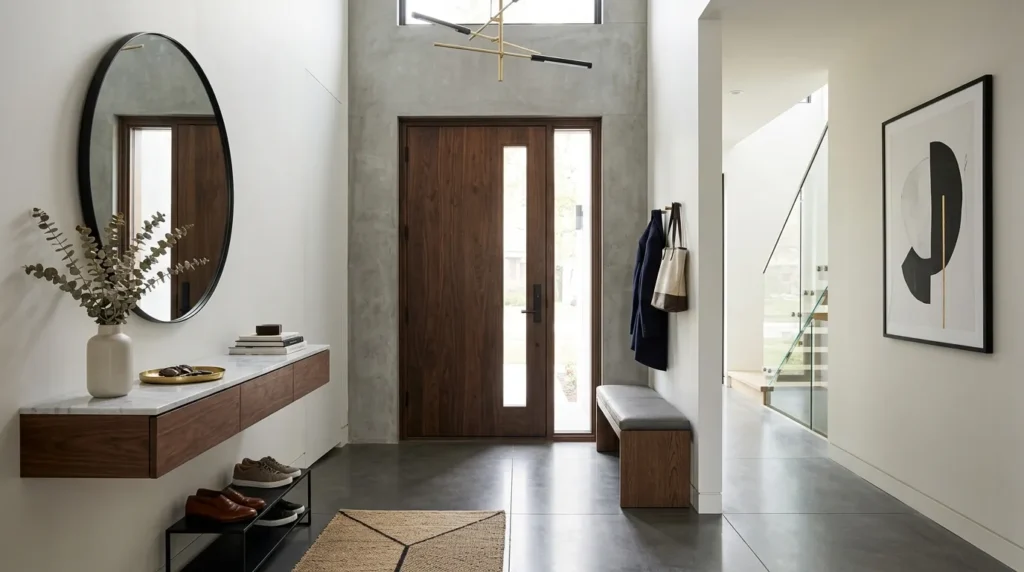
- Use a narrow console, floating shelf, or slim shoe cabinet to create a landing zone without blocking the walkway or making the apartment feel tight.
- Add a mirror near the door to bounce light, check your look before leaving, and visually expand the entry area.
- Keep daily clutter controlled with one tray for keys, one basket for shoes, and one hook row for bags or jackets.
- Choose materials like light oak, black metal, woven storage, matte ceramic, or brushed brass for a clean and elevated first impression.
- Keep the entry color palette connected to the living room so the transition feels smooth instead of visually disconnected.
Your entryway sets the tone before anyone reaches the living room. Even in a small apartment, this first zone can feel sleek when it has a clear purpose and a tight visual plan. Use a narrow console, floating shelf, wall hooks, a mirror, and one catchall tray to organize keys, sunglasses, mail, and bags. Materials like black metal, light oak, matte ceramic, and woven baskets keep the area polished without making it feel overdesigned. The result is a cleaner arrival moment every time you walk through the door at home.
The real transformation happens when the entry stops becoming a dumping ground. Add a washable runner to define the walkway, a small lamp for warm evening light, and hidden bins for shoes or pet leashes. In my experience, apartments feel more expensive when the first visible corner looks intentional. Keep colors connected to the rest of the home, and avoid oversized storage that blocks movement. This simple upgrade makes daily routines smoother, helps guests feel welcomed, and gives your apartment a finished look right from the entrance each day, instantly.
2. Low Seating
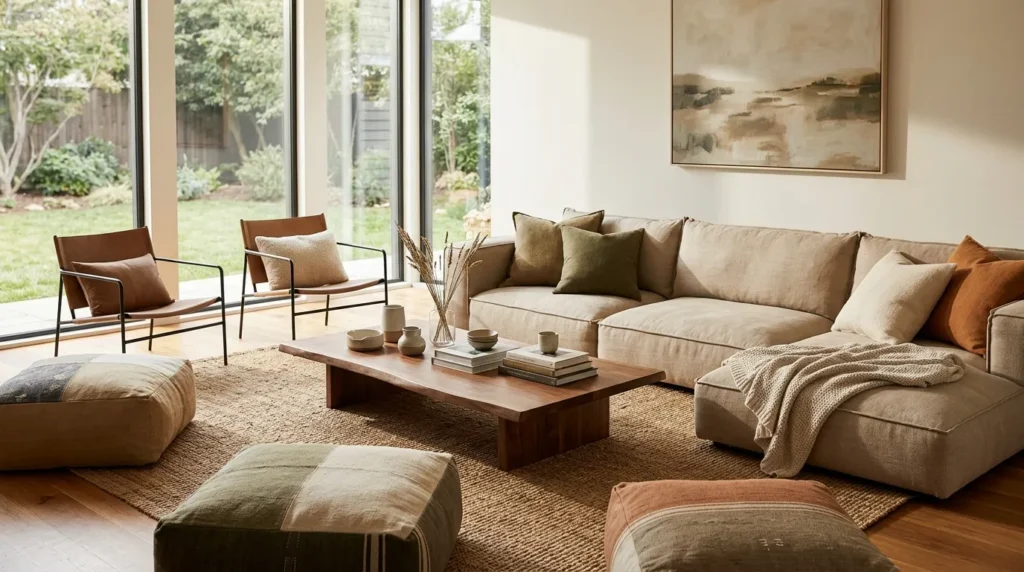
- Choose sofas and chairs with lower backs, slimmer arms, and open legs to make the room feel wider and visually lighter.
- Pair low furniture with tall curtains or vertical art so the ceiling feels higher and the room gains better proportion.
- Use rounded chairs, soft upholstery, and textured throws to keep the sleek look comfortable rather than stiff or showroom-like.
- Select durable materials such as performance linen, boucle, velvet, walnut veneer, chrome, or powder-coated steel for everyday apartment use.
- Avoid oversized sectionals unless the room can handle them, because heavy furniture can quickly make a compact space feel crowded.
Low profile furniture creates a sleeker room because it gives the eye more space to breathe. Instead of bulky sofas, tall armchairs, and heavy coffee tables, choose pieces with clean lines, lower backs, slim arms, and open legs. This does not mean the room has to feel empty or uncomfortable. A deep low sofa, a rounded accent chair, and a thin metal coffee table can still feel cozy. Materials like boucle, performance linen, walnut, chrome, and powder-coated steel keep the look modern while supporting everyday use in flexible open layouts.
The payoff is a living area that feels wider, lighter, and easier to move through. Low furniture works especially well in apartments with standard eight-foot ceilings because it makes the ceiling appear higher. Pair it with floor-length curtains, a large rug, and simple wall art to stretch the room visually. I’ve noticed that this layout also photographs beautifully because sightlines stay clean. Add storage through side tables or an ottoman, so the space remains practical for remotes, blankets, books, and daily lounging without adding visual bulk in tight rooms.
3. Tonal Palette
- Choose one main color family, then use different shades, finishes, and textures to create depth without making the room feel busy.
- Try warm neutrals, charcoal, cream, taupe, espresso, greige, or soft white for a polished apartment-friendly base.
- Repeat colors across rugs, curtains, pillows, art, and furniture so the room feels connected even with budget-friendly pieces.
- Add contrast through materials like leather, ceramic, wool, glass, metal, linen, or stone rather than too many bold colors.
- Keep accent colors limited to one or two small details, such as a vase, pillow, artwork, or seasonal flower arrangement.
A controlled color palette can make an apartment look instantly more refined. Instead of mixing too many unrelated shades, choose one main color family and build depth through texture, tone, and finish. Soft white, charcoal, greige, espresso, cream, and warm taupe all work well for a sleek interior. Add interest with matte walls, glossy ceramics, woven fabrics, smooth leather, and brushed metal. This approach helps budget-friendly pieces look connected, even if they came from different stores, because the color story pulls everything together across the entire living area with less effort.
The room becomes easier to decorate because every new piece has a visual rule to follow. For example, a cream and black palette can include ivory curtains, a black lamp, marble-look trays, beige upholstery, and framed monochrome prints. That’s why many designers recommend limiting strong accent colors in smaller apartments. A tighter palette reduces visual noise and makes the space feel calmer. It also gives you flexibility to update with seasonal pillows, fresh flowers, or one sculptural object without disrupting the clean, stylish foundation you already created for a longer-lasting finish.
4. Hidden Storage
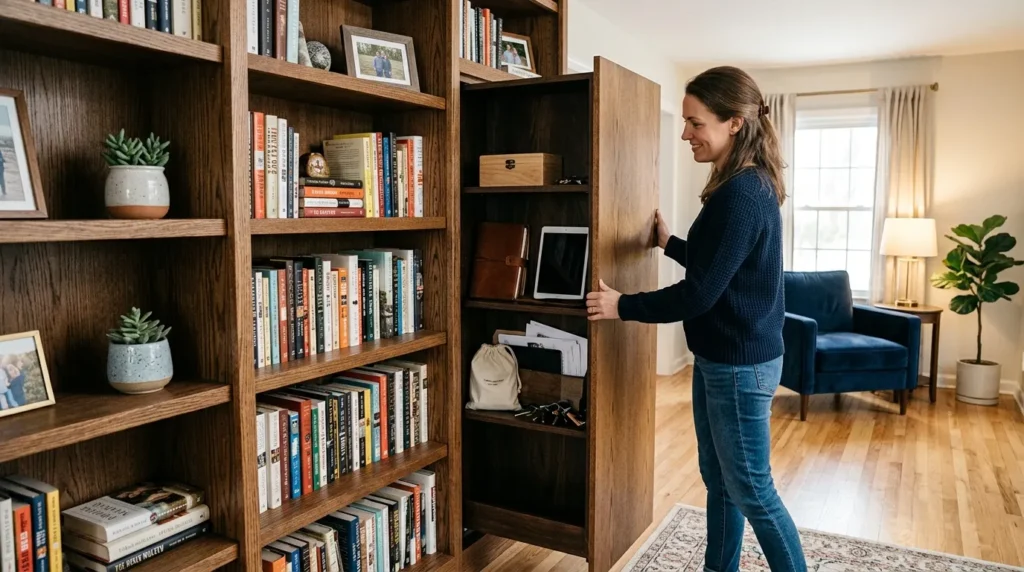
- Use furniture that quietly stores daily items, including storage beds, lift-top coffee tables, ottomans, benches, and closed media consoles.
- Place hidden storage near clutter hotspots like the sofa, front door, bathroom vanity, bedside area, and home office corner.
- Choose closed cabinets instead of too many open shelves when you want a calmer, more polished apartment look.
- Use matching baskets, labeled boxes, drawer organizers, and under-bed containers to make storage feel intentional and easy to maintain.
- Select textures like seagrass, canvas, felt, rattan, wood, or matte lacquer so storage pieces look decorative instead of purely functional.
Hidden storage is the difference between a sleek apartment and one that only looks good for ten minutes. When everyday items have a place to disappear, your surfaces stay cleaner and your rooms feel more intentional. Choose beds with drawers, storage benches, lift-top tables, closed media cabinets, lidded baskets, and nightstands with real compartments. The goal is not to hide your life, but to reduce visible clutter. This is especially useful in apartments where closets are limited and every square foot needs to work harder in real daily routines throughout the week.
A room feels more relaxed when storage blends into the design instead of shouting for attention. Use matching bins inside open shelves, choose cabinets with simple fronts, and keep baskets in materials like seagrass, felt, rattan, or canvas. In my experience, closed storage makes small homes easier to reset before guests arrive. Place hidden storage where clutter naturally collects: near the sofa, entry, bed, bathroom sink, and work area. The apartment will feel cleaner, smoother, and more functional without requiring extra square footage or permanent built-ins in a rental or condo.
5. Oversized Art
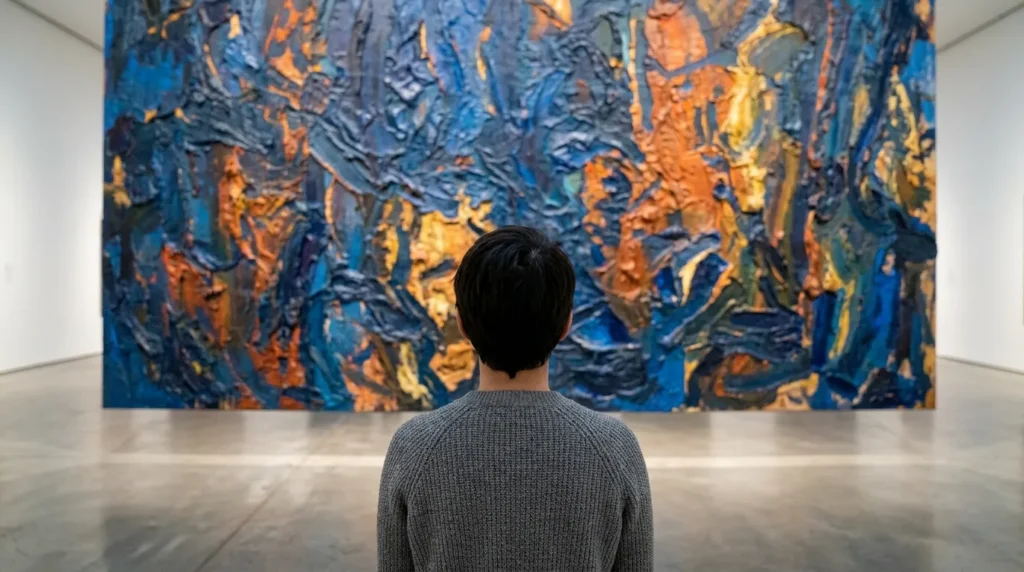
- Hang one large artwork above the sofa, bed, dining nook, or console to create a strong focal point without cluttering the wall.
- Choose art that matches your color palette, such as abstract neutrals, black-and-white photography, muted landscapes, or textured canvas prints.
- Use lightweight frames, canvas pieces, or renter-friendly hanging strips when you cannot drill into apartment walls.
- Keep surrounding decor minimal so the artwork has enough negative space and does not compete with shelves or small accessories.
- Match frame finishes with nearby furniture hardware, lamps, or metal accents for a more cohesive and designer-inspired result.
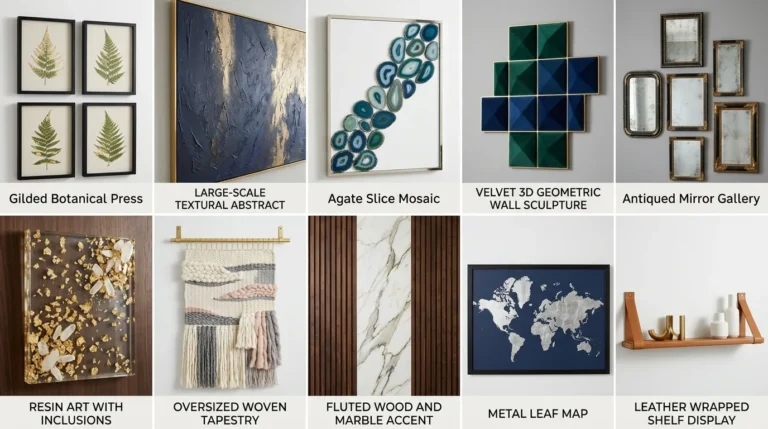
Oversized art makes plain apartment walls feel intentional almost immediately. One large piece above a sofa, bed, or console can look more polished than several tiny frames scattered around the room. Choose artwork that connects with your palette, such as abstract neutrals, black-and-white photography, soft landscape prints, or textured canvas pieces. Large-scale art gives the wall a focal point and creates the feeling of a designed interior. It works beautifully in rentals because it adds personality without paint, wallpaper, or structural changes that may break lease rules in apartment communities.
The key is choosing the right scale for the wall. A piece that is about two-thirds the width of the sofa or bed usually feels balanced. Use lightweight frames, canvas prints, or renter-friendly hanging strips where possible. I’ve seen this work well in many homes because it makes basic furniture feel elevated. Keep surrounding decor simple so the art has room to stand out. The result is a cleaner, gallery-like apartment that feels personal, stylish, and complete without needing too many decorative accessories or expensive custom pieces for a strong focal point.
6. Clean Windows
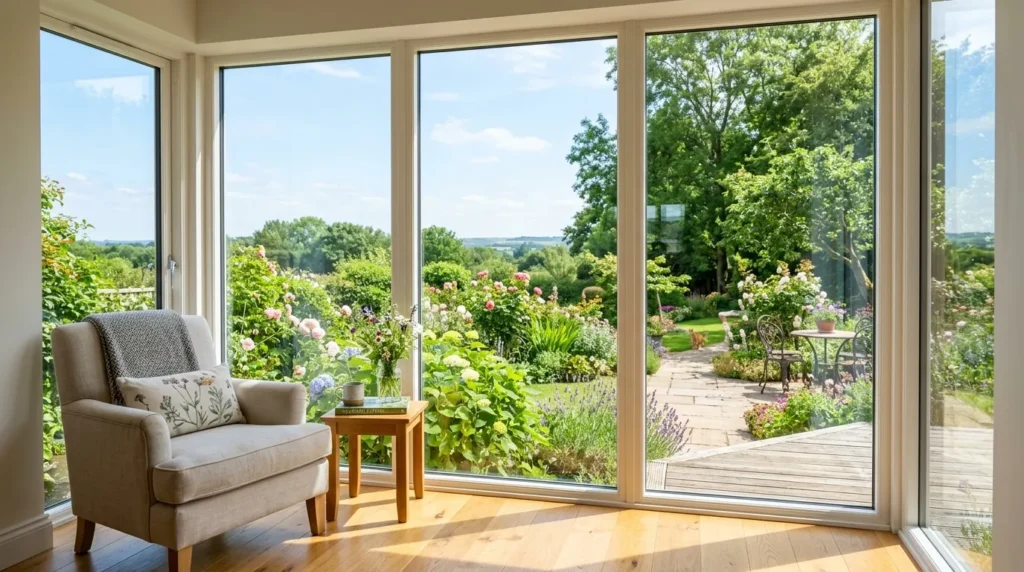
- Hang curtain rods higher and wider than the window frame to make the room feel taller, brighter, and more polished.
- Choose floor-length curtains in linen, cotton, velvet, or light-filtering fabric depending on your privacy and light needs.
- Use warm white, taupe, oatmeal, charcoal, or soft gray panels for a sleek look that blends with most apartment styles.
- Add woven shades behind curtains if you want more texture, privacy, and light control without making the room feel heavy.
- Use blackout liners in the bedroom to improve sleep while keeping the decorative curtain style clean and elevated.
Clean window styling can change the entire mood of an apartment. Bare blinds often make rooms feel unfinished, while heavy curtains can shrink the space if they are hung too low or too narrow. For a sleek look, hang curtain rods close to the ceiling and extend them beyond the window frame. Use linen, cotton, velvet, or light-filtering panels depending on privacy needs. This simple trick makes windows appear taller and wider while softening the hard edges often found in rentals, especially in newer buildings with simple white walls and minimal trim.
The result is a room that feels brighter during the day and cozier at night. Choose floor-length curtains in warm white, oatmeal, taupe, charcoal, or soft gray for a clean designer look. If you need better sleep, layer blackout liners behind decorative panels in the bedroom. That’s why many designers recommend treating window coverings as part of the architecture, not an afterthought. Add woven shades underneath for texture and privacy. Your apartment will feel more polished, comfortable, and visually taller without a major renovation or costly installation in your rental.
7. Reflective Accents

- Use glass, acrylic, mirror, chrome, or glossy ceramic to make compact rooms feel lighter without adding bulky furniture.
- Place a mirror across from a window to reflect natural light and make the apartment feel more open during the day.
- Balance reflective finishes with soft materials like linen, wool, boucle, wood, or jute so the room still feels warm.
- Try a glass coffee table, mirrored tray, chrome lamp, acrylic chair, or metallic picture frame for a subtle sleek upgrade.
- Repeat one or two reflective finishes only, because too many shiny pieces can make the space feel busy or cold.
Glass and reflective accents bring sleekness into an apartment without adding visual weight. A glass coffee table, mirrored tray, glossy ceramic lamp, acrylic chair, or chrome side table can help light move around the room. This is especially helpful in small apartments where heavy furniture can make the space feel tight. The goal is balance, so mix reflective pieces with soft textures like wool, linen, boucle, or wood. That contrast keeps the room elegant rather than cold, shiny, or overly formal for everyday living during long weekdays at home each week.
A few reflective details can make a room feel brighter and more open. Place a mirror across from a window, use a glass table near a compact sofa, or add metallic frames to a gallery wall. In my experience, reflective materials work best when they are repeated lightly, not everywhere. Choose one or two finishes, such as chrome and clear glass, then keep the rest of the palette grounded. The apartment will feel airy, modern, and more spacious while still feeling warm enough for daily living and casual hosting on weekends.
8. Layered Lighting
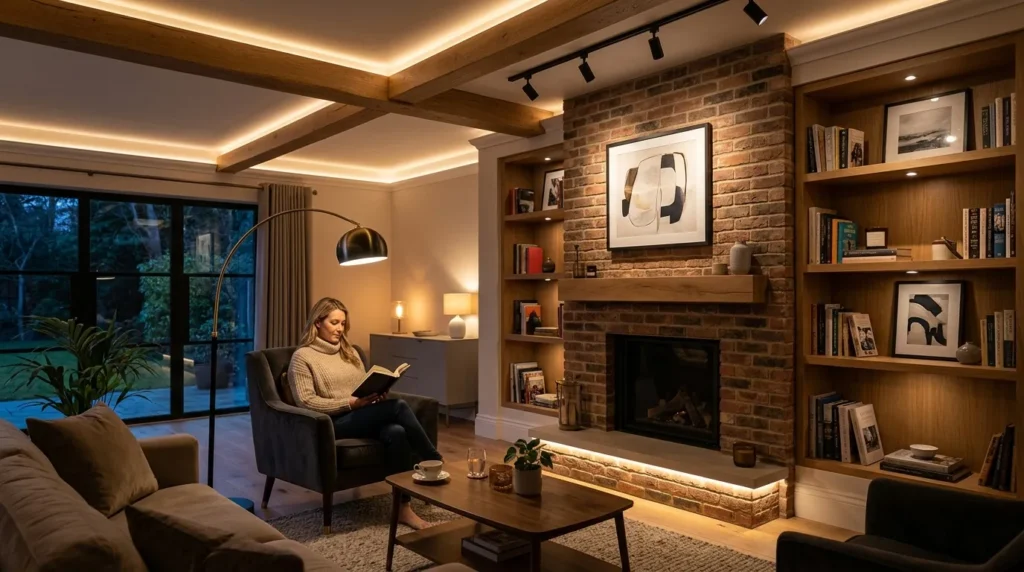
- Combine overhead lights, floor lamps, table lamps, plug-in sconces, and accent lights so the apartment works for different moods.
- Use warm bulbs instead of harsh cool lighting to make the space feel softer, more inviting, and more flattering at night.
- Add dimmable smart plugs or smart bulbs if you want easy control without rewiring a rental apartment.
- Place lamps where you actually use them, including beside the sofa, bed, entry console, desk, and reading chair.
- Choose lamp materials like brass, matte black metal, ceramic, rattan, paper, or smoked glass to support your overall style.
Layered lighting gives an apartment the kind of polish furniture alone cannot create. Instead of relying on one overhead fixture, build a mix of task, ambient, and accent lighting. Use a floor lamp beside the sofa, a table lamp near the bed, plug-in sconces beside artwork, and a small lamp on the entry console. Warm bulbs make the space feel inviting, while dimmers or smart plugs help control brightness. This approach makes every room feel more finished, flexible, and comfortable at different times of day and weekend mornings at home.
The biggest benefit is mood control. Your apartment can feel bright for cleaning, focused for remote work, soft for dinner, and cozy for movie night. Choose materials that match your overall style, such as brass, matte black, ceramic, paper, rattan, or smoked glass. I’ve noticed that apartments feel more expensive at night when lighting comes from several levels instead of one ceiling source. Keep cords tidy with clips or covers, and place lamps where you naturally read, cook, dress, or relax after work each evening in a small apartment.
9. Streamlined Kitchen

- Clear counters first, then keep only the items you use daily so the kitchen feels cleaner and easier to cook in.
- Group essentials on trays, inside matching containers, or in drawer organizers to reduce visual clutter near the cooking area.
- Use renter-friendly upgrades like peel-and-stick backsplash tiles, removable contact paper, under-cabinet lights, or modern cabinet pulls.
- Choose materials such as bamboo dividers, glass jars, stainless steel, ceramic canisters, washable mats, and refillable soap bottles.
- Add one small plant, framed print, or sculptural bowl to make the kitchen feel styled without taking over the counter.
A streamlined kitchen makes the whole apartment feel calmer because counters are often visible from the living area. Start by clearing anything you do not use daily, then group essentials on trays or inside matching containers. Use a knife block, utensil crock, coffee station, or magnetic rack only if it improves function. Materials like glass jars, bamboo drawer dividers, stainless steel, ceramic canisters, and washable mats keep the look clean. The goal is a kitchen that feels useful, not empty, sterile, or inconvenient for cooking after busy weekdays at home.
The transformation is noticeable because clean counters make the apartment feel larger and better maintained. If your cabinets are outdated, try renter-friendly upgrades like peel-and-stick backsplash tiles, removable contact paper, new cabinet pulls, or under-cabinet lighting. That’s why many designers recommend improving the surfaces you see most often first. Keep dish soap in a refillable bottle, store appliances you rarely use, and add one small plant or framed print. Your kitchen will feel brighter, fresher, and easier to cook in every day without major renovation or replacing the cabinets.
10. Soft Bedroom
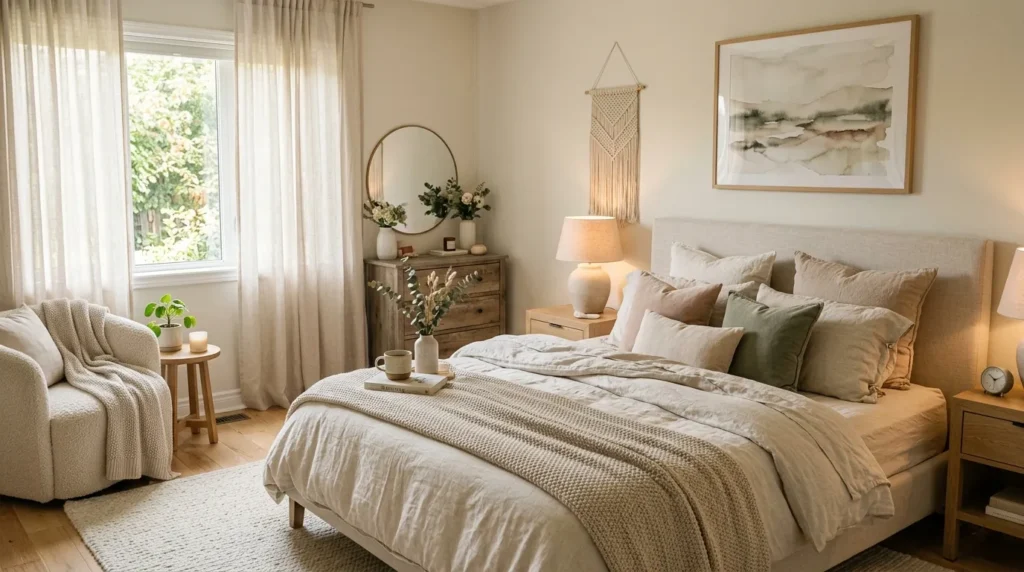
- Create a calm bedroom with breathable cotton sheets, a smooth duvet, structured pillows, and one textured throw.
- Use a low headboard, matching lamps, and simple bedside tables to create symmetry without overcrowding the sleeping area.
- Choose restful colors like creamy white, warm gray, muted green, beige, taupe, or soft charcoal.
- Add under-bed bins, floating nightstands, hooks, or a narrow dresser to make storage work in smaller apartment bedrooms.
- Hide cords, reduce bedside clutter, and use blackout curtains to make the room feel more peaceful and finished.
A soft bedroom reset can make apartment life feel calmer at the end of every day. Sleek style does not have to mean stiff bedding or empty nightstands. Start with breathable cotton sheets, a smooth duvet cover, two structured pillows, and one textured throw. Add a low headboard, matching lamps, and simple bedside storage to create symmetry. Soft neutrals, muted greens, warm grays, and creamy whites work well because they feel restful while still looking polished, grown up, and easy to maintain through every season with less effort and stress.
The bedroom becomes more usable when it supports both sleep and storage. Use under-bed bins, a narrow dresser, wall hooks, or floating nightstands if floor space is tight. In my experience, a bed looks instantly more finished when the bedding is layered but not overloaded. Keep the palette quiet, hide charging cords, and use blackout curtains if streetlights bother you. The result is a calm retreat that feels hotel-inspired, renter-friendly, and easy to reset every morning before the day begins with less visual stress every single morning with less effort.
11. Curated Corners
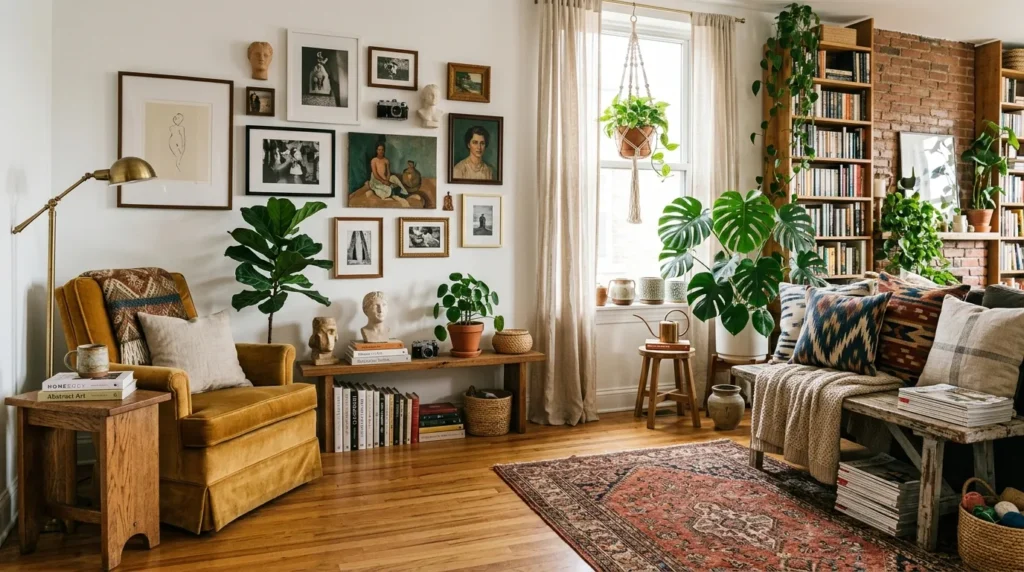
- Style only a few intentional corners instead of decorating every surface, so the apartment feels polished but not crowded.
- Create a small reading spot with a chair, lamp, pillow, and side table if you have an unused corner.
- Use a plant, mirror, sculptural vase, framed photo, or candle to add personality without overwhelming the room.
- Vary height, texture, and shape so each corner feels layered, balanced, and visually interesting.
- Leave negative space around each vignette because sleek styling depends on breathing room as much as decorative detail.
Curated corners help an apartment feel styled without filling every surface. Instead of spreading decor everywhere, create small intentional moments in the places your eye naturally lands. A reading chair with a lamp, a plant beside a mirror, a tray on a console, or a sculpture on a side table can make the space feel complete. Use texture, height, and contrast to keep each corner interesting. This approach works especially well when you want a polished look but dislike clutter or constant rearranging when routines get busy at home every day.
The result is a home that feels personal and edited at the same time. Choose pieces that serve a purpose or mean something, such as a favorite book stack, ceramic bowl, framed photo, or candle. I’ve seen this work well in many homes because it makes decoration feel calmer and easier to maintain. Leave negative space around each vignette so it can breathe. Your apartment will feel thoughtful, warm, and visually balanced, while still giving you room to live, clean, work, and relax comfortably during busy weeks at home.