11 Save These Cozy Decor Tips Before You Redecorate
Redecorating your home can feel overwhelming, but with the right approach, it transforms into an exciting opportunity to create a warm and inviting environment. In the USA, homeowners increasingly look for spaces that balance comfort, style, and personality. That’s why knowing the right methods and strategies beforehand is crucial. This guide offers practical, visually inspiring solutions that you can implement immediately. From selecting textures to arranging furniture, every idea helps elevate your living space. By following these actionable concepts, you’ll save time, avoid costly mistakes, and achieve a cohesive, cozy atmosphere that truly reflects your style.
1. Layered Textures
Bullet Points
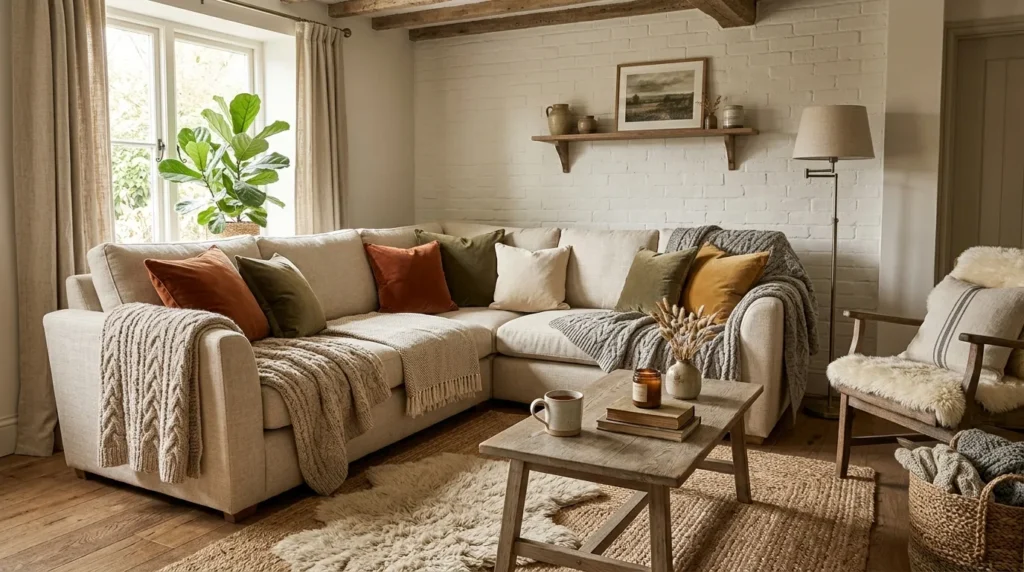
- Combines soft textiles, woven materials, and natural fibers to add depth.
- Enhances warmth and comfort in living areas and bedrooms.
- Allows flexibility in seasonal updates without full redesigns.
- Creates visual interest without overwhelming minimalistic spaces.
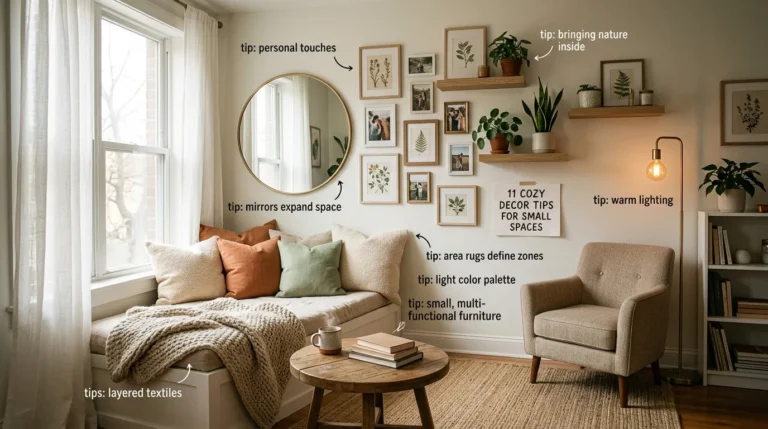
Layering textures transforms a room from flat to visually engaging almost instantly. Using materials like velvet cushions, knitted throws, jute rugs, and wooden accents introduces a tactile richness that invites touch and interaction. That’s why many designers recommend starting with foundational textures and gradually incorporating complementary layers. Combining hard and soft elements, such as a leather sofa with a chunky knit throw, balances the sensory experience. This approach helps define zones within open spaces while keeping them connected visually, enhancing both style and practicality.
By thoughtfully layering textures, you instantly elevate your home’s ambiance. Each added layer contributes to warmth, sophistication, and usability. For example, placing a sheepskin rug over a jute carpet not only looks inviting but also adds comfort underfoot. Mixing textures in neutral palettes ensures harmony, while contrasting colors introduce focal points. Layered textiles work well in reading nooks, bedrooms, or living areas, creating a cozy feel without clutter. This method also allows flexibility—swap throws seasonally or rotate pillows to refresh the space. It’s a low-cost, high-impact technique that enhances both visual appeal and functional comfort.
2. Warm Lighting
Bullet Points
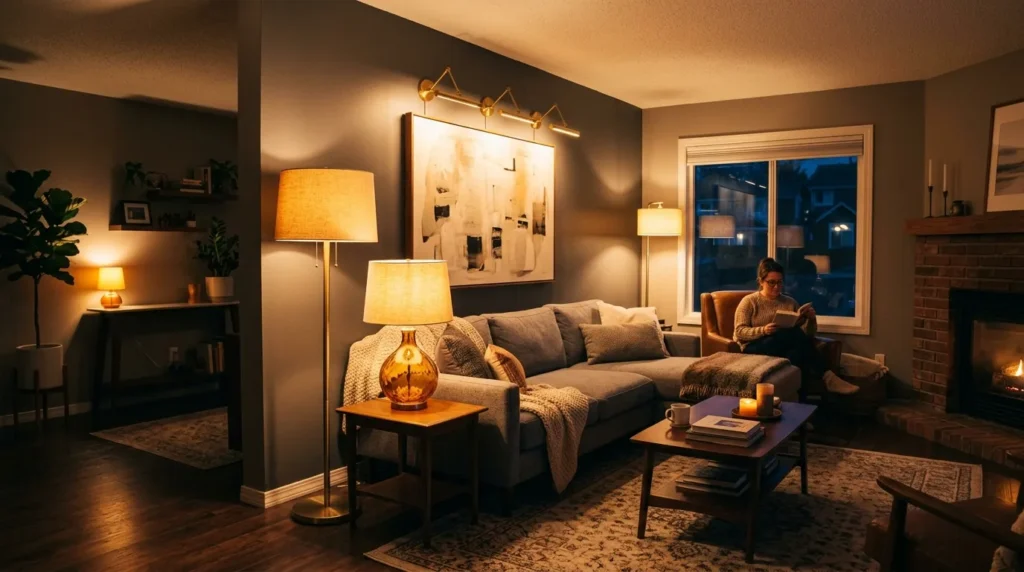
- Use soft, amber tones for a cozy and relaxing ambiance.
- Combine table lamps, floor lamps, and ceiling fixtures for layered lighting.
- Highlight focal points like artwork or seating areas with accent lights.
- Incorporate dimmers to adjust intensity for different times and moods.
Lighting sets the tone of any room and can dramatically influence perception of space. Warm lighting, particularly in the 2700K–3000K range, produces a welcoming glow that makes interiors feel intimate and comfortable. In my experience, layering lighting with table lamps, pendant fixtures, and strategically placed LEDs creates depth and visual interest. This approach allows homeowners to highlight textures, colors, and decorative elements effectively. By avoiding harsh overhead fluorescents, you foster a softer environment conducive to relaxation, reading, or entertaining, enhancing the home’s overall aesthetic appeal.
Proper warm lighting transforms a simple room into a comfortable retreat. For instance, adding a floor lamp near a reading chair or placing a soft-lit accent behind a side table creates pockets of visual interest. This method draws attention to curated decor, emphasizing furniture and textures while ensuring practicality. Adjustable dimmers provide full control over atmosphere, making spaces versatile for various activities. The interplay of shadows and light highlights architectural details and finishes. Warm lighting not only enhances style but also improves usability, making daily routines more pleasant and spaces more inviting.
3. Natural Elements
Bullet Points
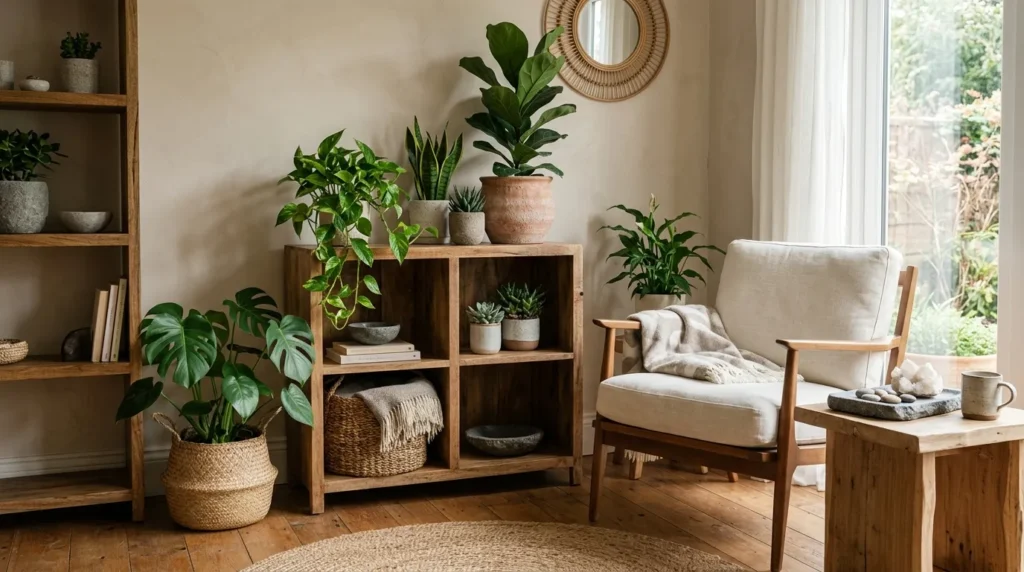
- Introduce plants, wood, and stone to connect indoor and outdoor spaces.
- Improves air quality and promotes well-being.
- Adds organic texture and irregular shapes to soften geometric furniture.
- Works with any color palette to create harmony and balance.
Integrating natural elements breathes life into your home, creating a calming atmosphere that’s universally appealing. Plants, wooden furniture, stone accessories, and woven baskets introduce irregular shapes and textures, softening rigid lines in modern interiors. I’ve noticed that homeowners feel more relaxed and connected when incorporating greenery or natural surfaces. Even small additions like a bamboo planter or driftwood sculpture enrich the visual composition, bringing nature indoors. This technique enhances both aesthetics and mood, creating a harmonious environment that supports daily life and wellness.
Natural elements also offer flexibility and timeless appeal. A wooden coffee table or stone candle holders can be paired with modern or rustic decor without clashing. Indoor plants, from fiddle leaf figs to small succulents, act as living focal points, while wooden shelves or exposed beams anchor the design. Natural textures blend effortlessly with textiles like linen and cotton, providing cohesion across the space. Beyond appearance, these elements improve air quality and sensory engagement, making interiors feel fresh, balanced, and nurturing for family life or entertaining guests.
4. Strategic Color Palette
Bullet Points
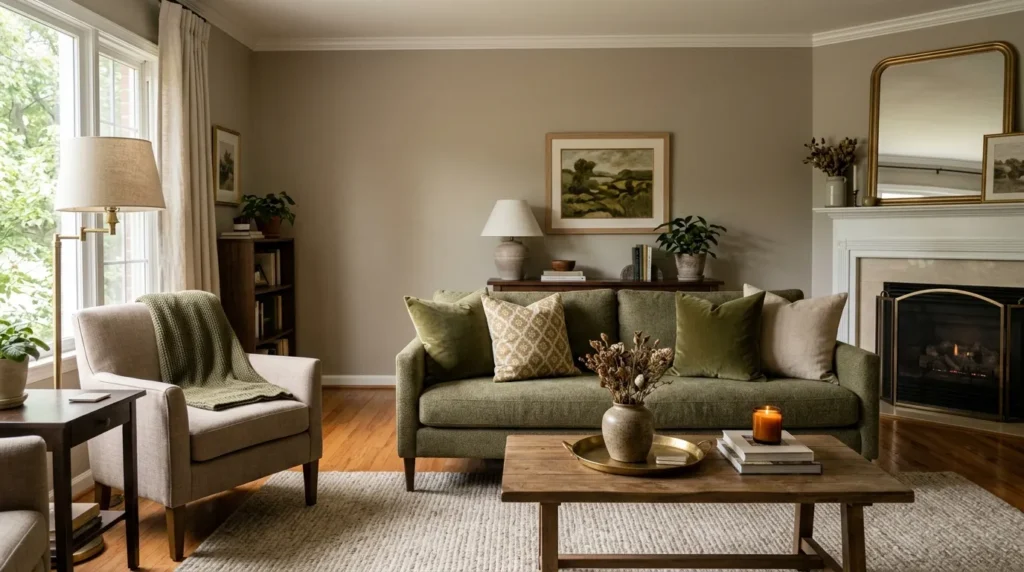
- Focus on 2–3 primary colors with complementary accents for balance.
- Use muted tones for base walls and furniture, bright accents for personality.
- Create contrast with textures rather than overly bold colors.
- Adjust palette seasonally with simple decor swaps like cushions or vases.
Choosing the right colors sets the foundation for all other design decisions. A thoughtfully curated palette brings cohesion, making the room feel polished and intentional. I’ve seen that a combination of neutral base tones with subtle pops of color allows freedom for accessories, textiles, and art to shine without overwhelming the senses. This approach is practical for both small and large spaces, maintaining visual harmony. Pairing complementary shades in walls, furniture, and soft furnishings ensures the overall aesthetic feels serene, stylish, and flexible for future updates.
Using a strategic palette also simplifies styling and creates a visually calming environment. For instance, beige walls paired with olive-green cushions and muted gold accents produce a sophisticated, warm atmosphere. Accent walls or patterned rugs provide focal interest without dominating the space. This technique allows homeowners to update rooms seasonally by swapping smaller elements like throw blankets or artwork. By focusing on complementary tones and layering them thoughtfully, you can maintain a fresh, cohesive look while reducing the risk of clashing colors or overstimulation in living areas.
5. Functional Furniture
Bullet Points
- Choose pieces that combine style with storage or multi-purpose use.
- Opt for modular or movable furniture for flexible layouts.
- Select materials that are durable and easy to clean.
- Integrate seating that balances comfort and visual appeal.
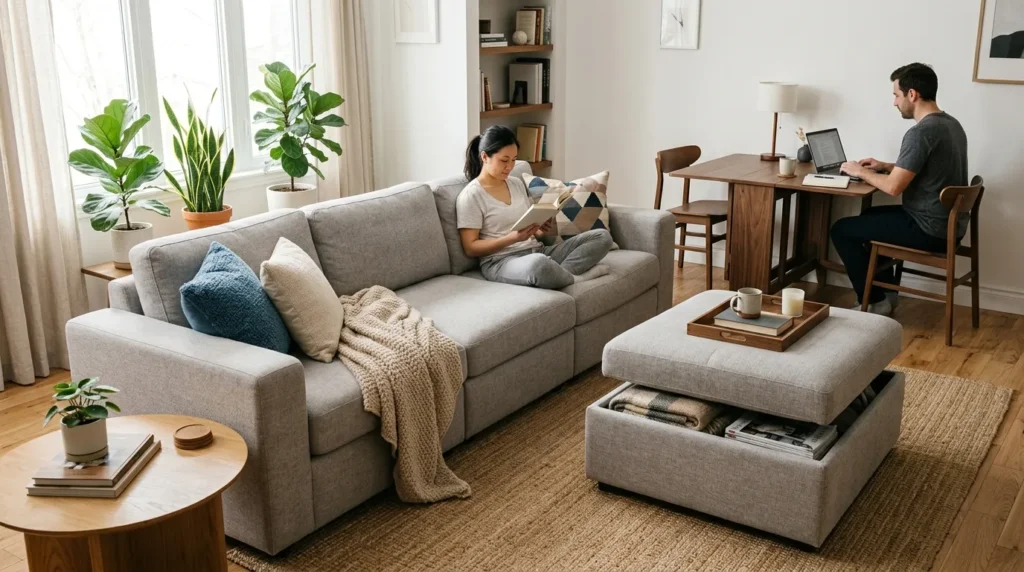
Functional furniture ensures that your space looks beautiful while serving everyday needs efficiently. Multi-purpose items like storage ottomans, foldable desks, or sectional sofas maximize utility in limited spaces. I’ve seen this approach transform cluttered areas into organized, relaxing environments effortlessly. Practicality doesn’t mean compromising style—selecting quality fabrics, sleek lines, and cohesive finishes ensures each piece elevates the overall decor. Thoughtful placement of functional furniture enhances flow, accessibility, and usability, supporting daily routines without sacrificing aesthetics or comfort.
Beyond practicality, functional furniture shapes the room’s usability and vibe. Modular seating allows rearrangement for gatherings or solo relaxation, while hidden storage keeps surfaces clean and visually appealing. Durable materials like hardwood, engineered wood, or stain-resistant fabrics extend the life of pieces while remaining stylish. Combining comfort and function encourages frequent use and interaction, making spaces feel lived-in yet organized. Integrating furniture with dual purposes reduces clutter, maximizes room efficiency, and ensures every element contributes to a warm, cohesive, and highly functional interior.
6. Layered Rugs
Bullet Points
- Mix sizes, textures, and patterns for visual depth.
- Anchor furniture arrangements and define zones in open layouts.
- Adds warmth and acoustic comfort in living and dining areas.
- Works with neutral or vibrant color schemes for flexibility.
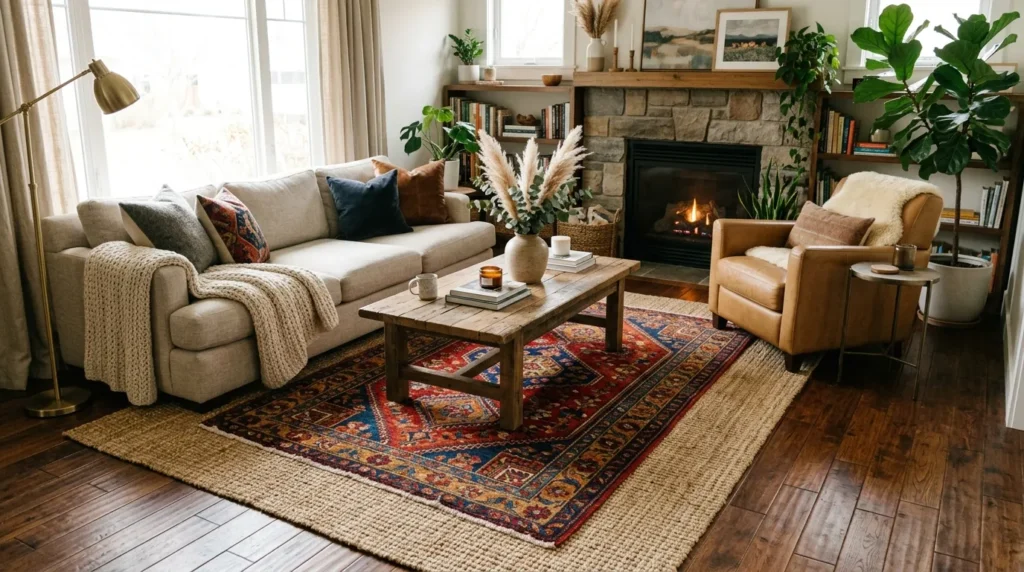
Layering rugs adds dimension and warmth to any room, instantly enhancing comfort and visual appeal. Using multiple rugs of varying textures and sizes creates focal points and defines functional areas within open-concept spaces. I’ve noticed designers frequently recommend starting with a neutral base rug and layering patterned or textured options on top. This method prevents rooms from feeling flat or disjointed. The tactile element also adds a cozy feeling underfoot, contributing to a welcoming and inviting atmosphere in bedrooms, living rooms, or home offices.
Layered rugs also provide practical benefits. They can delineate dining areas, seating arrangements, or reading nooks without permanent partitions. Mixing materials like wool, jute, or synthetic fibers produces subtle contrast and texture, adding richness to your decor. This approach works well with color-coordinated schemes, introducing accent hues without overwhelming the palette. By layering rugs thoughtfully, homeowners can elevate both aesthetics and function, creating visually dynamic, acoustically comfortable, and cozy spaces suitable for daily living and entertaining.
Image Prompts (Part 1 H2s)
- Layered Textures: Soft velvet cushions, knitted throws, jute rugs, wooden accents, warm natural lighting, neutral color palette, cozy layered seating, living room perspective, tactile materials, inviting mood.
- Warm Lighting: Amber-toned table lamps and floor lamps, dimmer switches, accent lights highlighting artwork, warm glow over living space, soft shadows, modern furniture, cozy evening ambiance, USA-style interior.
- Natural Elements: Indoor plants, wooden furniture, stone accessories, woven baskets, neutral backdrop, soft daylight, textures of wood and stone, greenery focal points, organic layout, serene mood.
- Strategic Color Palette: Neutral wall tones with olive-green and muted gold accents, cozy furniture, layered textiles, subtle contrast, balanced decor, soft lighting, living room perspective, USA home styling.
- Functional Furniture: Modular sofas, storage ottomans, foldable desks, durable materials, soft textures, modern design, cozy seating arrangement, flexible layout, daylight setting, practical home interior.
- Layered Rugs: Multiple rugs with varying textures and patterns, neutral base with vibrant top layers, hardwood floor, living room seating arrangement, cozy and warm mood, soft natural lighting, functional zones highlighted.