13 Make Your Home Feel Calm, Warm, and Beautiful With These Cozy Decor Tips
Introduction
Creating a home that feels calm, warm, and visually appealing doesn’t require an extensive renovation. In the USA, homeowners increasingly prioritize spaces that combine style, comfort, and personality. Small, intentional changes can completely transform interiors, enhancing both daily living and aesthetic appeal. From layering textures to selecting the right lighting and natural elements, these design approaches encourage tranquility and functional beauty. This guide provides practical, actionable strategies that are easy to implement. By following these concepts, you’ll make your home inviting, cohesive, and reflective of your unique style without overwhelming your budget or effort.
1. Layered Textures
Bullet Points
- Combine soft fabrics, woven materials, and natural fibers for visual depth.
- Add tactile warmth that enhances comfort in living areas and bedrooms.
- Introduce seasonal versatility with easily swapped textiles.
- Works with minimalistic or eclectic styles seamlessly.
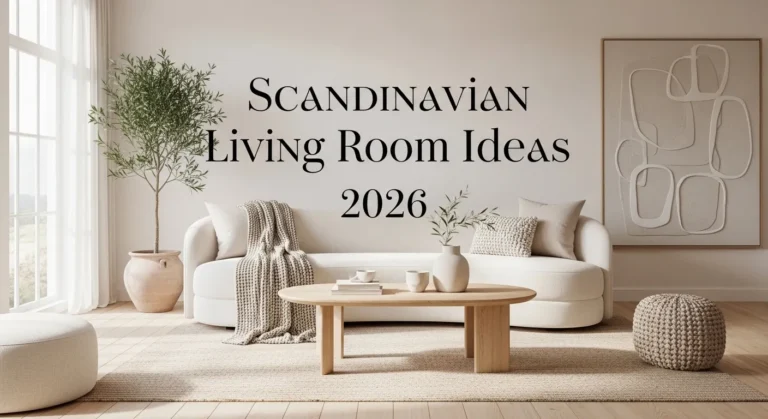
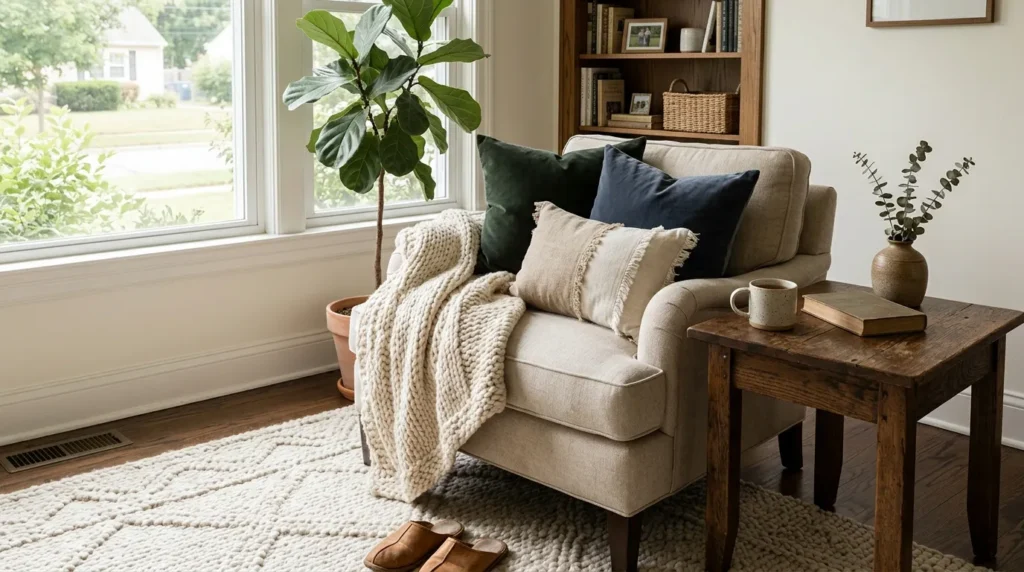
Layering textures adds immediate richness and comfort to any space. Using soft velvet pillows, chunky knitted throws, wool rugs, and wooden furniture introduces tactile and visual interest. I’ve noticed this method transforms flat rooms into multi-dimensional environments that feel inviting. Mixing hard and soft materials balances aesthetics while emphasizing cozy appeal. Even subtle layers, such as a woven basket over a wooden side table, contribute to warmth. This approach defines functional areas, highlights decor features, and makes spaces more dynamic. Layered textures encourage interaction and elevate both comfort and visual complexity.
Beyond aesthetics, layered textures enhance usability and seasonal adaptability. For instance, switching lightweight cotton throws for thick wool blankets adds warmth in colder months without altering the furniture. Layered rugs and pillows define zones while softening open layouts. This technique also allows experimentation with patterns and colors on a small scale, making updates easy and low-risk. Over time, layered textures anchor spaces visually, highlight key furniture pieces, and create cozy corners for reading, relaxing, or entertaining. It’s a simple, practical way to enrich comfort and style simultaneously.
2. Warm Lighting

Bullet Points
- Use amber or soft white bulbs to create an intimate atmosphere.
- Layer lighting with table lamps, floor lamps, and ceiling fixtures.
- Accent artwork, textures, or seating areas with targeted illumination.
- Dimmers provide adjustable brightness for different moods.
Lighting dramatically influences the perceived warmth and calm of a home. Soft, warm-toned lighting promotes intimacy and comfort. I’ve noticed spaces instantly feel inviting when multiple light sources are combined, such as floor lamps, table lamps, and pendant fixtures. Avoid harsh overhead fluorescents that flatten textures and colors. Dimmers allow flexible control for tasks or relaxation. Well-placed illumination enhances focal points, textures, and architectural features. Thoughtful layering of warm light balances aesthetic appeal with function, creating spaces that feel welcoming and intentionally designed.
The practical benefits of warm lighting extend beyond aesthetics. Accent lamps highlight seating or art, drawing attention to curated areas while creating pockets of light and shadow. Table lamps or wall sconces near reading nooks provide functional illumination without overpowering the room. Warm lighting softens textures, enhances color schemes, and contributes to a relaxed atmosphere. Adjustable brightness supports daily activities and evening relaxation, while creating a visually dynamic environment. Layered lighting encourages comfort, usability, and style in one cohesive strategy for every living space.
3. Natural Elements
Bullet Points
- Incorporate plants, wood, and stone to soften interiors.
- Introduce organic textures that complement modern furniture.
- Improve air quality and promote well-being.
- Harmonizes with most color palettes and room layouts.
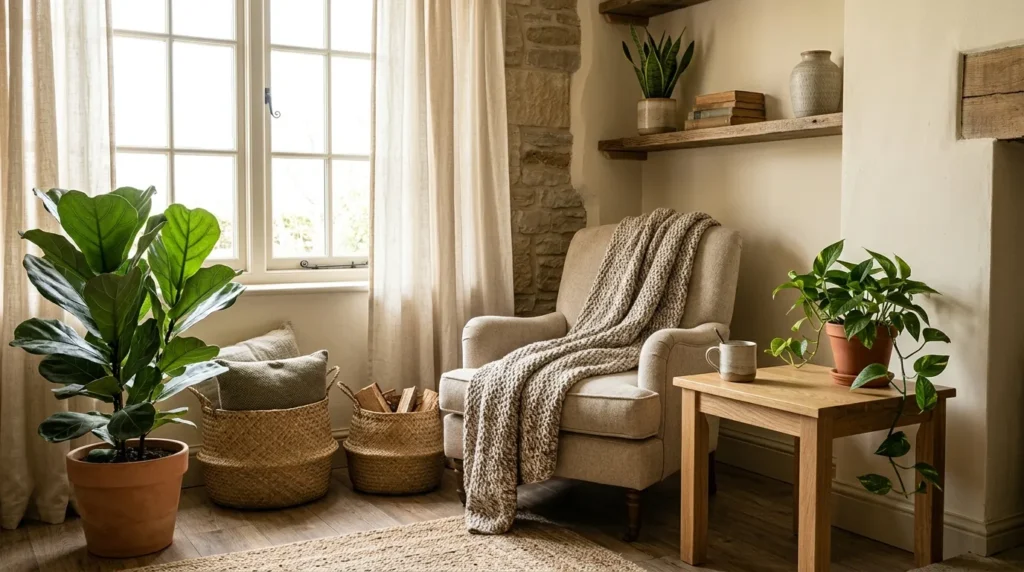
Integrating natural elements brings life and serenity to any interior. Wooden furniture, stone accents, woven baskets, and indoor plants introduce organic textures and irregular shapes that soften rigid lines. In my experience, even small additions like potted plants or driftwood sculptures make spaces feel more grounded and connected to the outdoors. Natural textures complement textiles, add visual interest, and enrich sensory engagement. They enhance aesthetic cohesion while supporting psychological comfort. Using natural elements creates balance and visual variety, producing interiors that are both practical and calming.
Natural elements also improve functionality and versatility. Wood and stone are durable, easy to maintain, and versatile for multiple design schemes. Plants contribute to healthier indoor air quality and create focal points in living rooms or bedrooms. Organic textures contrast with smooth surfaces, emphasizing depth and warmth. Incorporating greenery, natural fibers, or stone accessories allows homeowners to elevate interiors without major redesigns. The result is a space that feels inviting, balanced, and adaptable, with visual harmony and practical advantages working in tandem.
4. Strategic Color Palette

Bullet Points
- Focus on 2–3 primary shades with complementary accents.
- Use neutral base tones for walls and large furniture pieces.
- Introduce color contrast through accessories and decor elements.
- Simple swaps allow seasonal or style updates.
Color sets the tone and mood of any space. Carefully chosen palettes enhance cohesion, making rooms feel intentional and calming. I’ve seen homes transform instantly when neutrals form the base and accent colors add vibrancy. This approach allows homeowners to experiment with accessories like pillows, throws, or artwork while maintaining harmony. Subtle contrasts highlight textures and architectural features without overwhelming the senses. Strategic color planning ties together multiple areas, creating visual flow and emphasizing comfort throughout the home.
The transformation achieved through a strategic palette is both aesthetic and functional. Neutral walls and furniture create versatile backdrops, while accent colors bring personality and warmth. Layered textures and varied materials complement color choices to avoid monotony. Seasonal swaps of small items like cushions or decorative vases refresh the space efficiently. Color coordination enhances visual hierarchy and focus, making interiors feel harmonious, comfortable, and inviting. Well-planned palettes allow homeowners to express personal style while supporting functional design choices.
5. Functional Furniture
Bullet Points
- Prioritize multi-purpose pieces such as storage ottomans or modular sofas.
- Select durable materials suitable for everyday use.
- Flexible layouts improve room usability and comfort.
- Balance practicality with aesthetic appeal in seating and surfaces.
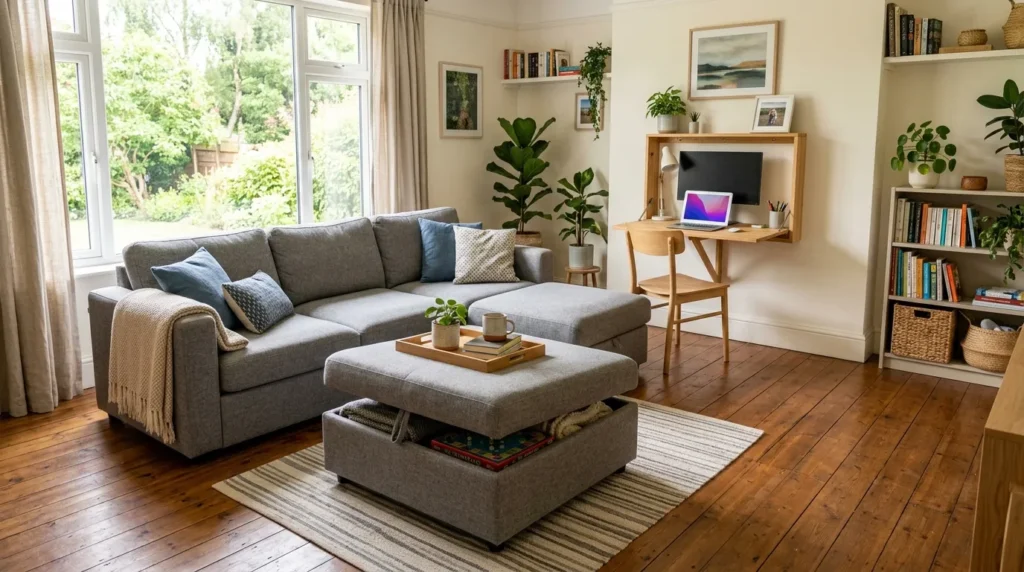
Furniture must combine practicality and style to create a truly cozy space. Multi-functional items maximize utility without cluttering interiors. I’ve seen rooms improve dramatically when sofas with storage or foldable desks are incorporated. Materials like hardwood, engineered wood, or stain-resistant fabrics ensure durability and longevity. Thoughtful placement supports traffic flow and accessibility. Functional furniture enhances usability while maintaining aesthetic integrity, making spaces comfortable, organized, and visually pleasing simultaneously. Proper selection transforms the functionality of living, dining, and work areas.
Beyond utility, functional furniture elevates flexibility and adaptability. Modular sofas allow rearrangement for gatherings or solo relaxation. Storage ottomans double as seating while reducing clutter, and foldable desks accommodate work-from-home needs. Materials and textures contribute to warmth and cohesion. Thoughtful design supports daily activities, encourages interaction, and maintains a polished interior aesthetic. By integrating furniture that meets both style and practical requirements, homeowners achieve spaces that are organized, comfortable, and visually harmonious for a variety of uses.
6. Layered Rugs
Bullet Points
- Use multiple rugs with varying textures and patterns.
- Define seating areas or zones in open-concept layouts.
- Adds warmth, softness, and sound absorption.
- Complements both neutral and vibrant color schemes.
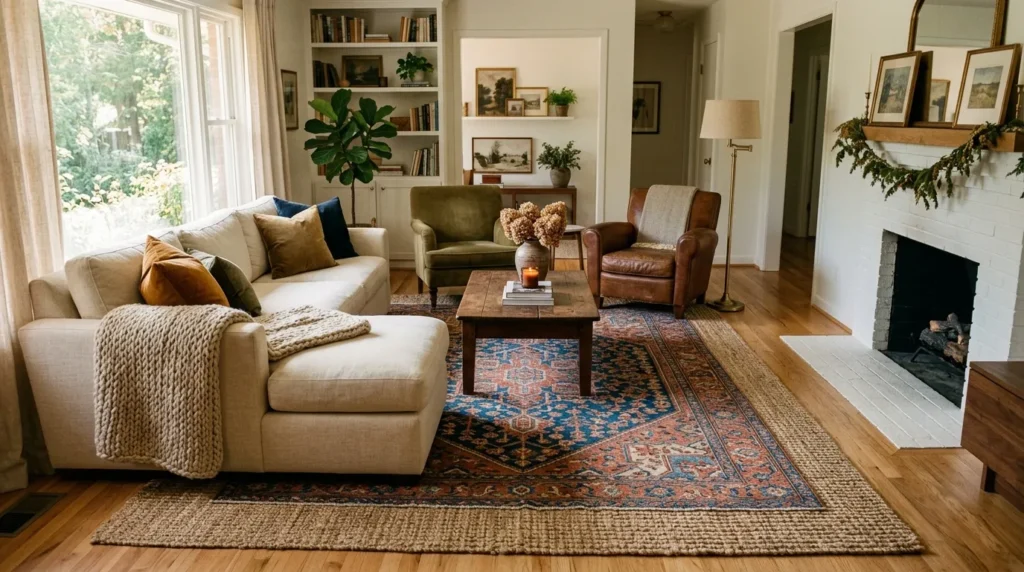
Layering rugs provides depth and tactile interest while anchoring furniture and defining zones. Placing a patterned rug over a neutral base enhances visual appeal and delineates spaces without physical barriers. I’ve noticed layered rugs instantly make rooms feel warmer and more intentional. Textures like wool, cotton, or jute create contrast against hardwood or tile floors, softening acoustics and adding comfort underfoot. This simple strategy provides versatility and is easily updated for seasonal changes or evolving decor preferences.
Practical advantages of layered rugs extend to usability and comfort. In open-plan living spaces, rugs can mark seating arrangements or pathways, reducing visual clutter. Combining materials introduces subtle contrast and highlights furniture focal points. Rugs enhance floor warmth, improve acoustics, and invite interaction in high-use areas like living rooms or bedrooms. This approach allows homeowners to elevate both function and aesthetics with minimal effort, creating cohesive, comfortable spaces that are visually appealing and highly adaptable for everyday living.