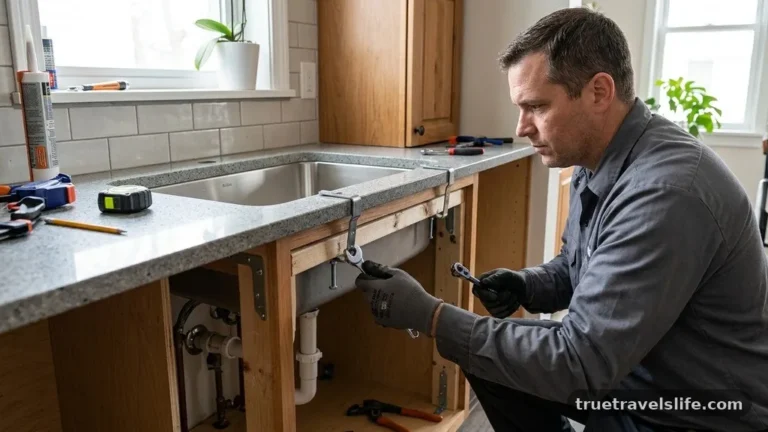
Does an 18-Inch Vanity Have Enough Plumbing Trap Clearance?
Determining if an 18-inch vanity has enough plumbing trap clearance is a common hurdle for homeowners renovating small bathrooms or powder rooms. Because these units are exceptionally shallow, the standard P-trap configuration often conflicts with the back panel or the interior storage area.
Knowing whether your specific setup will accommodate the drain assembly before you purchase the cabinet is essential to avoid costly mid-installation modifications. This article provides the technical clarity needed to assess your space and ensure your plumbing fits properly within the constraints of a compact vanity.
The Verdict on Clearance
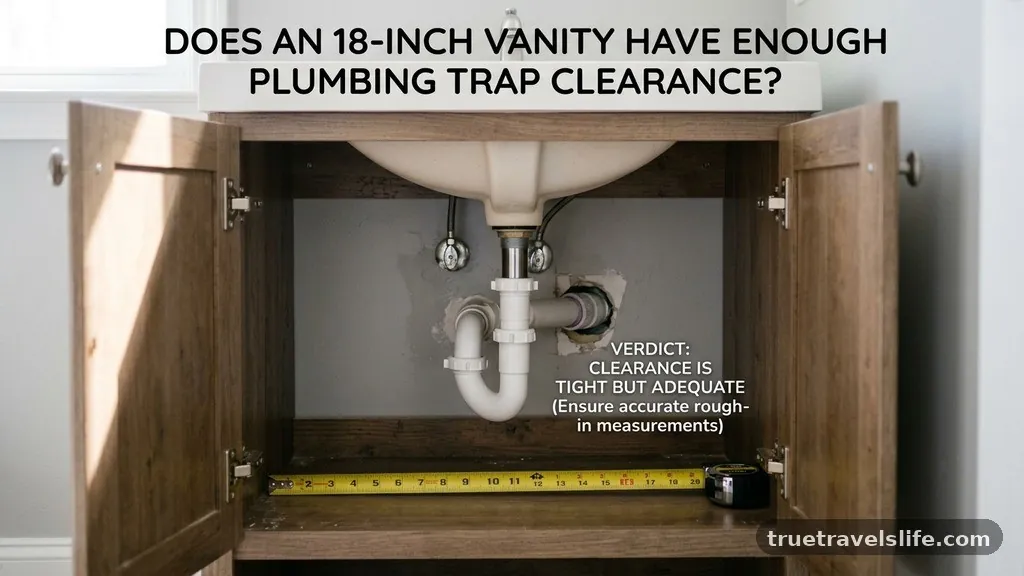
The short answer is that an 18-inch vanity does not always have enough plumbing trap clearance for standard hardware. While many modern vanities are designed with a “cutout” or an open back, the depth of the cabinet—typically 18 inches from the wall to the front—leaves very little room for a traditional P-trap and supply lines. If your drain pipe protrudes from the wall at a standard height, you will likely need a low-profile P-trap or a custom configuration to prevent the unit from sitting away from the wall.
Factors Affecting Your Installation
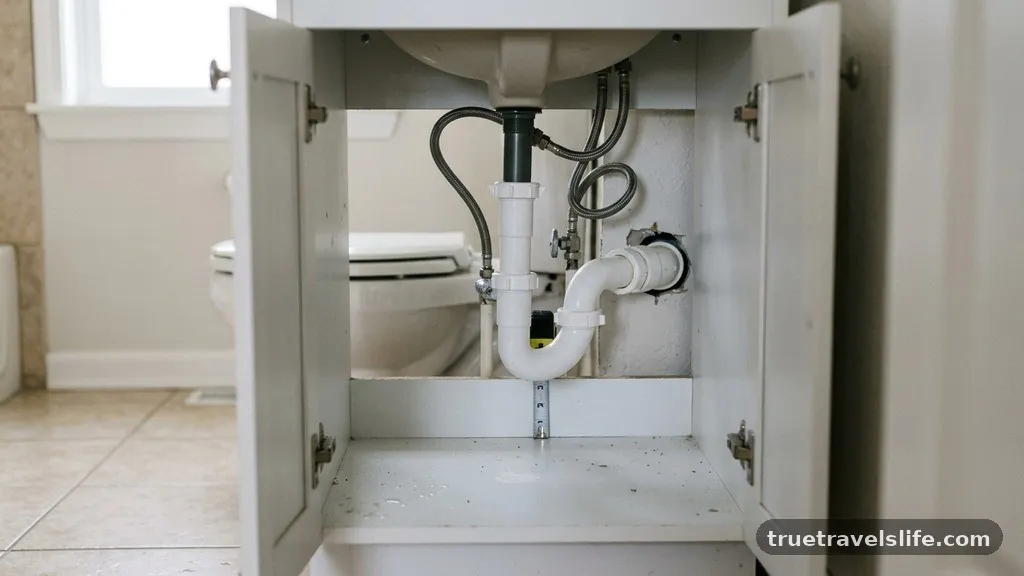
Several variables determine if you can successfully install your basin without interference. The most critical factor is the distance the drain pipe extends from the wall. If your wall drain is located too high or too far to one side, it may collide with the vanity’s structural supports or interior drawers.
Critical Measurements to Consider
- Drain Height: Standard height is usually 16 to 18 inches from the floor.
- Trap Depth: A standard P-trap adds 6 to 8 inches of depth behind the sink bowl.
- Cabinet Backing: Solid-back vanities require precise cuts to accommodate the pipe.
- Drawer Interference: Shallow vanities often feature false top drawers to clear the plumbing.
Comparing Standard vs. Low-Profile Solutions
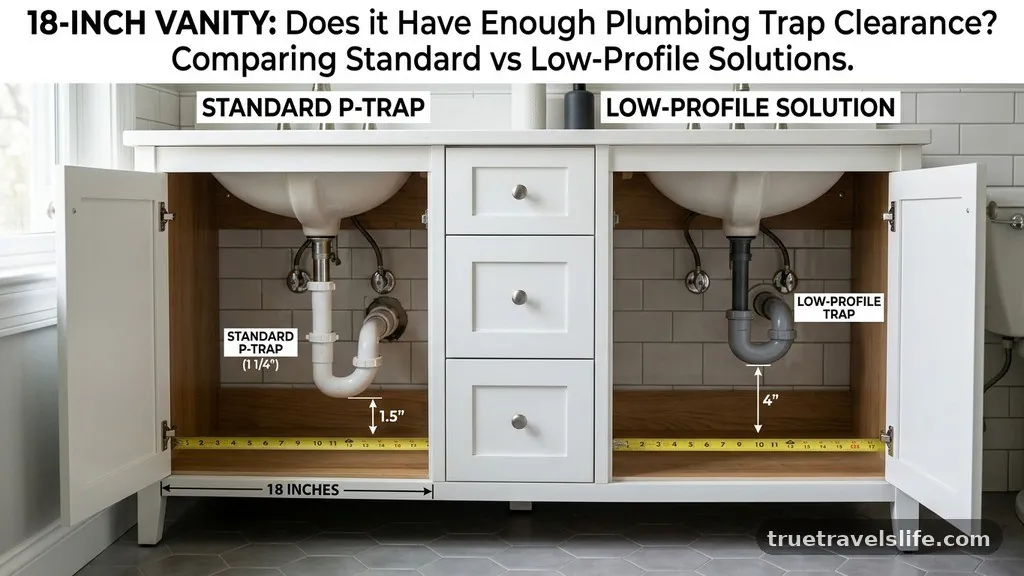
When you find that the standard hardware prevents the cabinet from sitting flush against the wall, you have a few options. A low-profile P-trap is the most common solution for tight spaces, as it significantly reduces the footprint behind the sink bowl.
| Feature | Standard P-Trap | Low-Profile P-Trap |
|---|---|---|
| Depth Required | 8–10 Inches | 4–6 Inches |
| Installation Difficulty | Easy | Moderate |
| Compatibility | Most Vanities | Compact/Shallow Units |
| Cost | Low | Moderate |
Tips for a Successful Fit
Before you finalize your purchase, measure the distance from the wall to the front of your proposed vanity. If your plumbing is already fixed in place, compare that measurement against the interior depth of the vanity, accounting for the sink bowl’s position.
Many manufacturers provide a “spec sheet” that highlights exactly where the drain cutout is located. Use this to verify if the pipe will hit a shelf or a drawer slide.
If you are dealing with a particularly tight spot, consider moving the P-trap into the wall itself if your local building codes permit. This is a more invasive process, but it provides the maximum amount of interior storage and ensures the vanity sits flush. Always check with a local professional to ensure any modifications remain compliant with plumbing standards in your area.
Ensuring Proper Installation
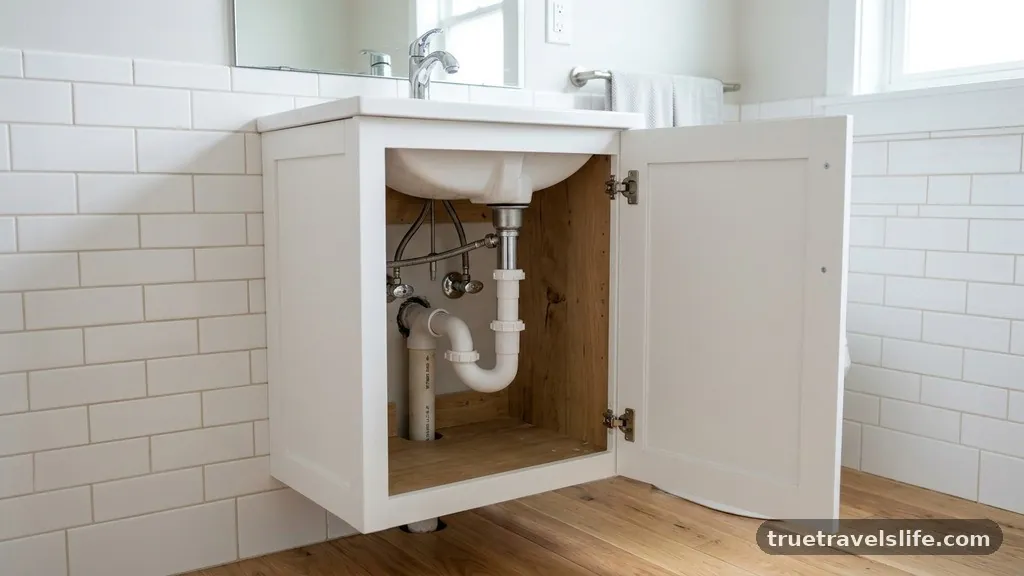
Ensuring your 18-inch vanity has enough plumbing trap clearance is a matter of careful planning and selecting the right hardware. By verifying your wall drain position early and opting for low-profile components when necessary, you can achieve a functional and aesthetically pleasing result in even the smallest bathroom. Taking the time to measure your space before installation prevents the frustration of hidden pipe conflicts behind your new cabinet.
If you run into unexpected obstacles, consulting a licensed plumber can save you from damaging the vanity or creating leaks. Feel free to reach out if you have specific questions about your bathroom renovation project.