11 Easy Cozy Decor Tips That Look Beautiful in Real Homes
4. Introduction
Creating a home that feels cozy, inviting, and stylish doesn’t require a complete renovation or a massive budget. Many homeowners in the USA struggle to balance comfort with aesthetics, often ending up with spaces that feel either too bare or too cluttered. That’s why these simple, practical decor strategies matter—they help you transform real living spaces into warm, visually appealing environments without stress. In this guide, you’ll discover 11 easy yet impactful ideas that enhance lighting, textures, furniture placement, and accents. Each tip is designed to feel approachable and immediately usable in your home.
1. Layered Lighting
- Combines ambient, task, and accent lighting
- Adds warmth and depth to any room
- Highlights textures and key decor pieces
- Adjustable lighting improves mood and functionality
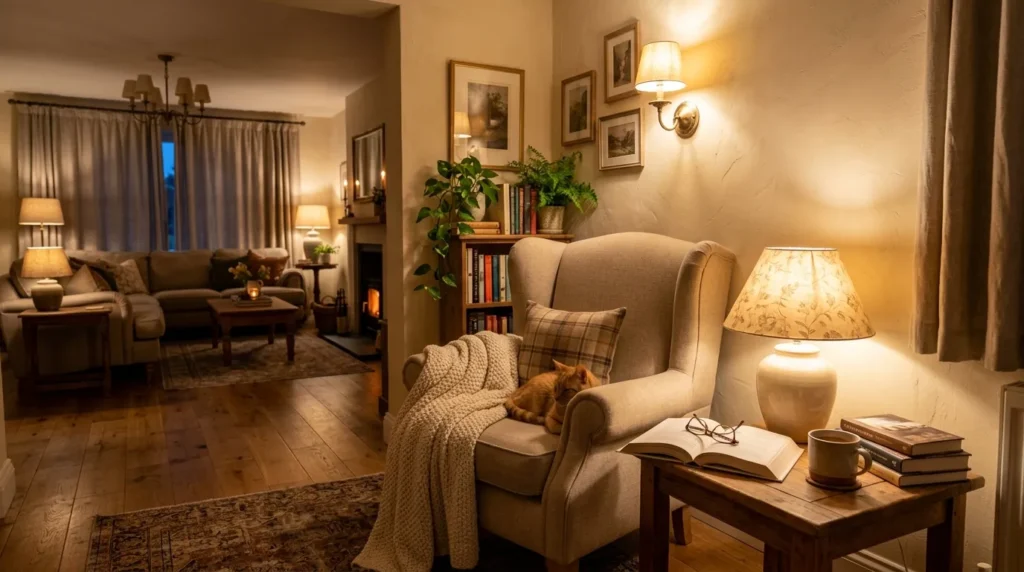
Layered lighting is a game-changer for creating cozy atmospheres in real homes. Instead of relying on a single overhead fixture, combining multiple light sources—like floor lamps, table lamps, and wall sconces—produces a balanced glow. This technique works because it prevents harsh shadows and distributes light evenly, giving rooms a welcoming, lived-in feel. In my experience, layering lighting not only improves usability but also subtly showcases architectural details, wall textures, and decorative elements, making spaces feel professionally designed without major investments.
When you incorporate layered lighting, rooms instantly feel more versatile and inviting. Task lighting near reading chairs or workspaces improves functionality, while accent lights highlight art pieces or shelves, creating a sense of depth. Using dimmers lets you adjust the mood for different occasions, from cozy evenings to lively gatherings. Choosing bulbs with warm color temperatures (2700K–3000K) softens harshness, making your home feel naturally welcoming. Strategically placing lights can also make smaller areas appear larger, enhancing both aesthetics and comfort.
2. Textured Throws
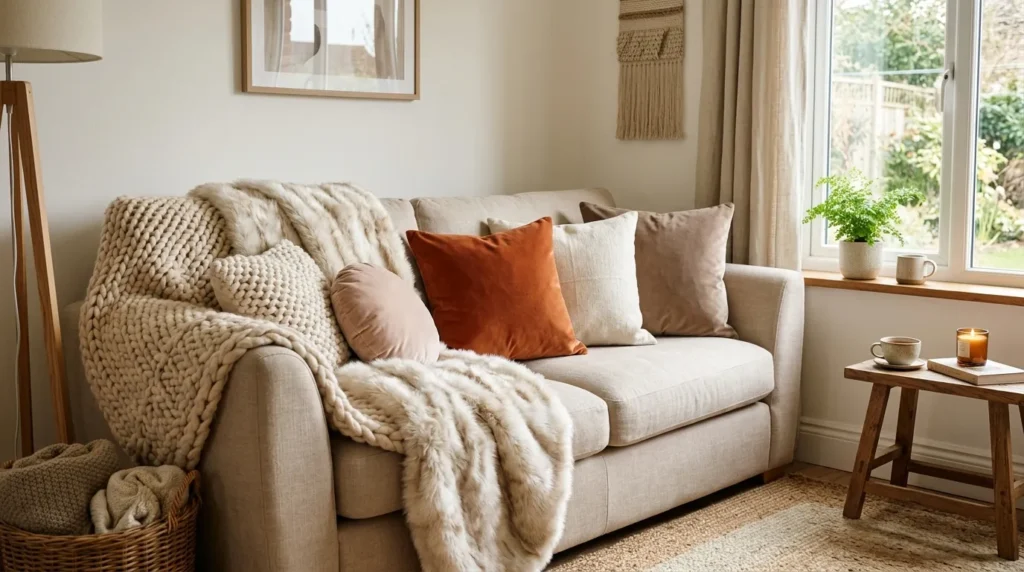
- Introduces tactile warmth with wool, cashmere, or faux fur
- Adds visual layers to sofas and beds
- Creates instant cozy corners for reading or relaxing
- Works well with neutral or vibrant color schemes
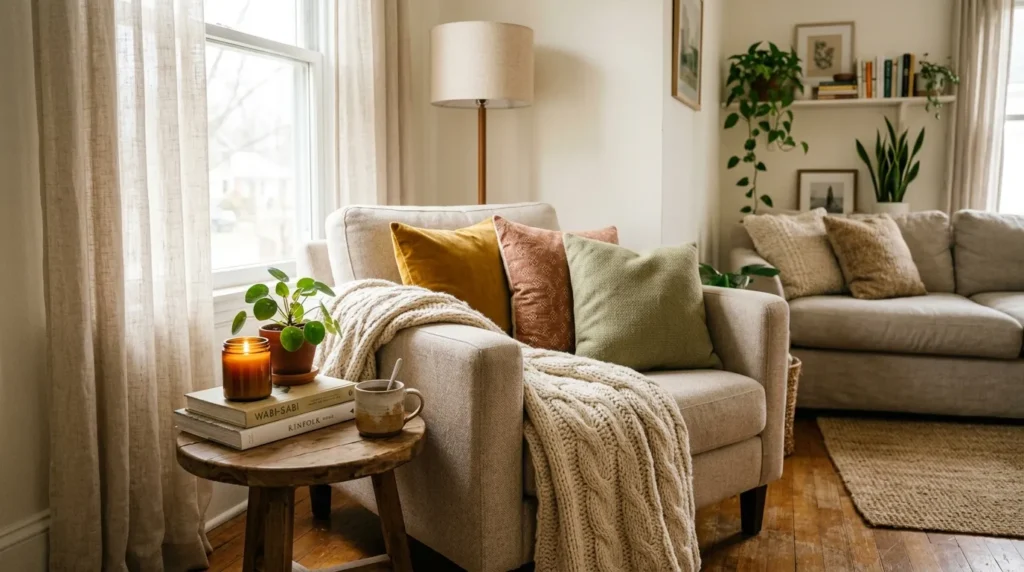
Textured throws are one of the easiest ways to instantly elevate comfort and style. Draping a chunky knit blanket over a couch or folding a faux fur throw at the end of a bed adds dimension and softness. The texture draws the eye and invites touch, which psychologically increases a sense of warmth and relaxation. I’ve noticed that layering textures—even in neutral tones—makes a room feel richer and more thoughtfully curated without overwhelming the space.
Beyond visual appeal, throws transform the usability of seating areas. You can curl up with a book, watch TV, or simply enjoy a cup of coffee in a corner that suddenly feels like a personal retreat. Mixing textures, such as combining velvet pillows with wool throws, creates harmony while adding tactile contrast. For seasonal adaptability, lighter linen or cotton throws can replace heavier knits in summer, keeping your home comfortable year-round while maintaining that cozy aesthetic.
3. Natural Rugs
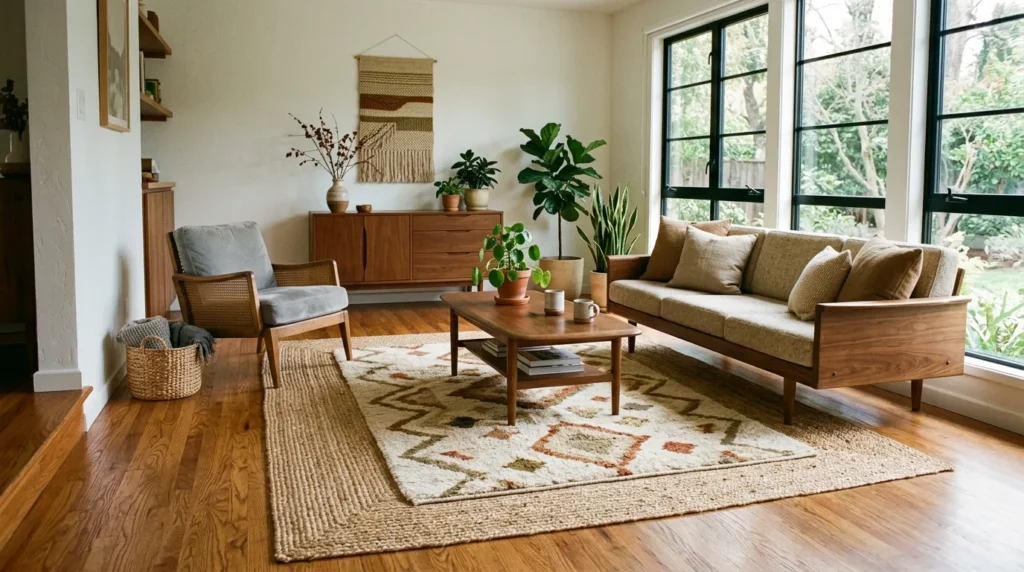
- Grounds spaces with organic textures
- Adds warmth underfoot for comfort
- Defines zones in open layouts
- Enhances natural and neutral decor palettes
Natural fiber rugs, like jute, sisal, or wool, anchor furniture and create a sense of cohesion. Their earthy tones and subtle textures blend seamlessly with almost any interior, from modern farmhouse to contemporary chic. That’s why many designers recommend natural rugs—they add warmth and tactile interest without competing with other decor elements. Rugs also prevent rooms from feeling cold or sterile, especially when used on hardwood or tile floors.
In practical terms, natural rugs improve usability by delineating spaces, such as seating areas or dining corners, especially in open-concept layouts. They are durable, easy to maintain, and often hypoallergenic, making them perfect for homes with children or pets. Pairing a neutral rug with colorful cushions or decor accents creates balance, while layering smaller patterned rugs can add depth and visual intrigue. Overall, natural rugs are both functional and aesthetically pleasing, helping a space feel more grounded and complete.
4. Statement Pillows
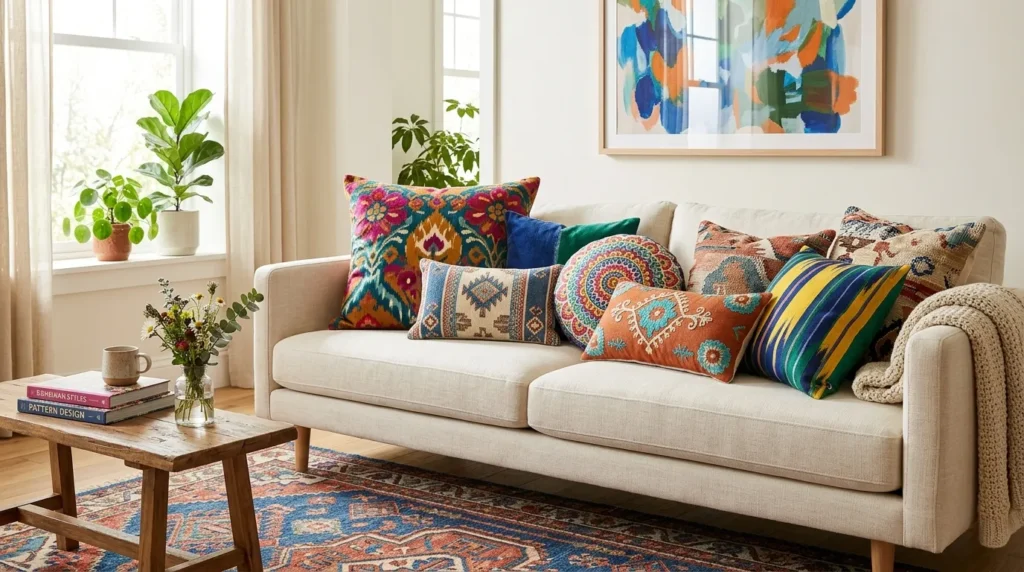
- Introduces pops of color or pattern
- Enhances visual interest in neutral rooms
- Supports comfort while lounging
- Easy seasonal or style updates
Statement pillows are a small investment with a big impact. They instantly refresh sofas, armchairs, or beds by adding bold patterns, rich textures, or vibrant hues. Using a mix of sizes and shapes—from square to lumbar pillows—creates dynamic arrangements that feel intentional rather than cluttered. I’ve seen this tip transform ordinary living rooms into inviting spaces that feel pulled together and professionally styled.
Pillows also enhance comfort, making spaces more usable for daily life. You can rotate them seasonally to reflect trends or moods without committing to expensive decor changes. Combining contrasting fabrics like velvet and linen or coordinating geometric patterns with solids creates a layered, cozy effect. They can also subtly reinforce a room’s color palette, tying together artwork, rugs, or accent furniture for a cohesive, visually appealing look.
5. Ambient Candles
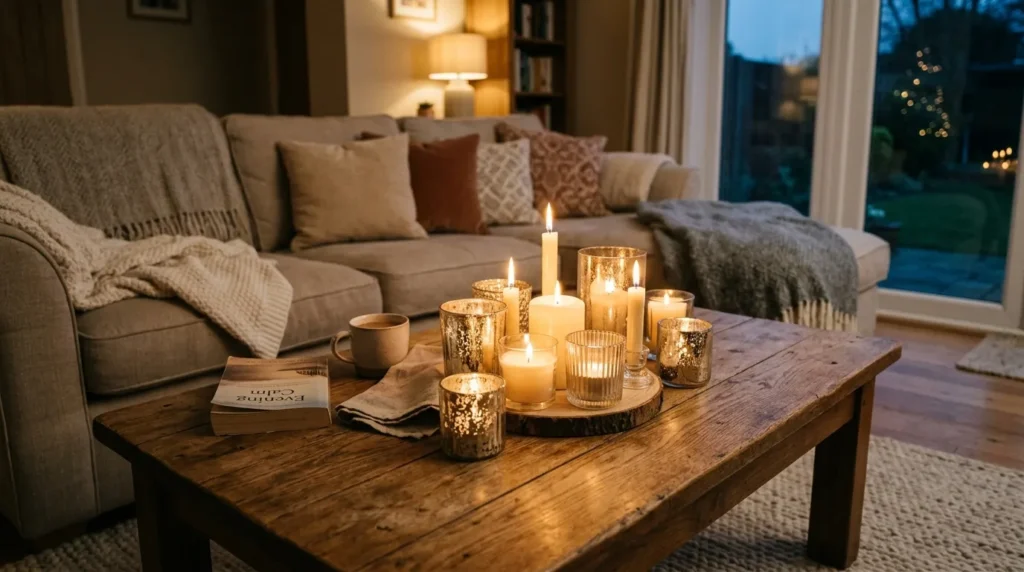
- Adds soft, flickering warmth to spaces
- Introduces subtle scents for sensory comfort
- Creates a relaxing, inviting atmosphere
- Works well in living rooms, bathrooms, and bedrooms
Candles remain one of the simplest ways to make a home feel immediately cozy. Soft flickering light adds warmth that electric lighting alone cannot replicate. Choosing candles in glass jars or decorative holders contributes to the room’s aesthetic even when unlit. I’ve noticed that layering scented and unscented candles in clusters creates depth and visual interest while gently enhancing the ambiance.
In addition to beauty, candles improve usability by making spaces feel more intentional and inviting. A few candles on a coffee table, bedside nightstand, or bathroom shelf transform everyday routines into experiences. Opting for seasonal or subtle scents—like vanilla, sandalwood, or citrus—can boost mood and comfort. Pairing candlelight with throws or layered lighting reinforces intimacy, creating corners that are perfect for reading, relaxing, or entertaining in a soft, welcoming environment.
6. Greenery Accents
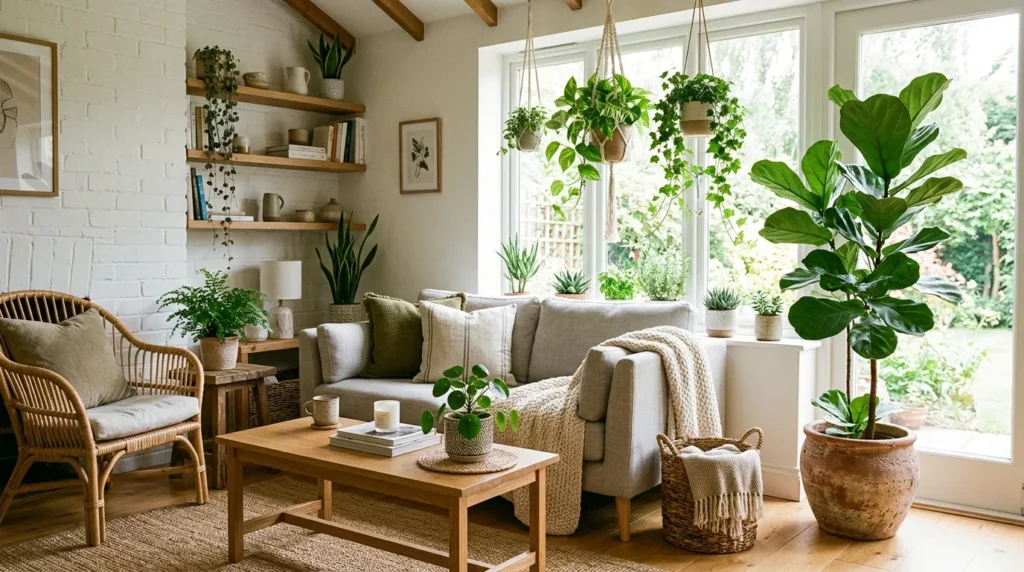
- Adds natural color and life to interiors
- Improves air quality and visual freshness
- Works in small pots, hanging baskets, or large statement plants
- Complements modern and traditional decor
Incorporating greenery is a simple, effective way to breathe life into any room. Plants introduce vibrant colors, dynamic shapes, and textures that soft furnishings cannot achieve. Even a single large potted plant or a few strategically placed succulents can transform a space, making it feel alive and curated. That’s why many homeowners invest in low-maintenance greenery—it delivers both aesthetic and psychological benefits.
Plants also offer functional transformation, creating natural focal points and softening sharp furniture edges. Arranging plants in varied heights, textures, and planters enhances visual layers, while hanging greenery adds dimension without using floor space. Indoor plants like fiddle-leaf figs, snake plants, or pothos are popular because they thrive with minimal upkeep. Pairing greenery with neutral or textured furnishings elevates overall design while adding a calming, fresh atmosphere.
7. Cozy Window Treatments
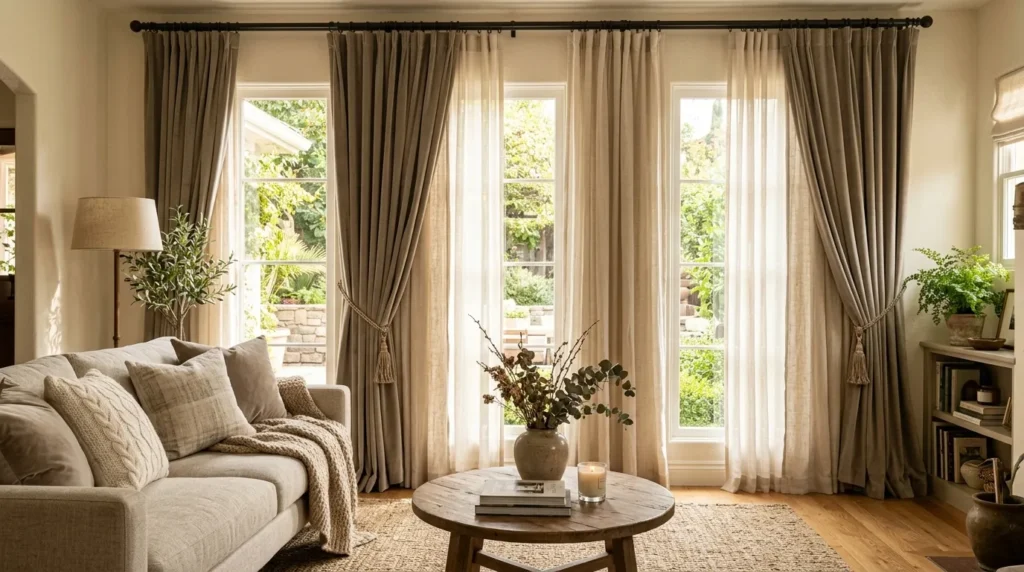
- Adds texture and softness to walls
- Controls natural light for mood and comfort
- Enhances privacy and insulation
- Works with layered curtains or shades
Window treatments play a subtle but powerful role in shaping a home’s coziness. Thick, textured curtains, Roman shades, or layered sheers allow you to adjust natural light while softening the room visually. In my experience, well-chosen window treatments can make rooms feel finished and intentionally styled. They also provide functional benefits, like reducing glare, enhancing privacy, and improving insulation during colder months.
Beyond utility, drapes and shades transform the ambiance dramatically. Flowing fabrics like linen, velvet, or cotton create movement, depth, and warmth, particularly when paired with complementary furniture or rugs. Layering heavier curtains with lightweight sheers gives versatility, letting you filter sunlight without sacrificing privacy. In bedrooms or living rooms, these treatments frame windows beautifully, enhancing the overall aesthetic while making spaces more comfortable and inviting.
8. Warm Wood Elements
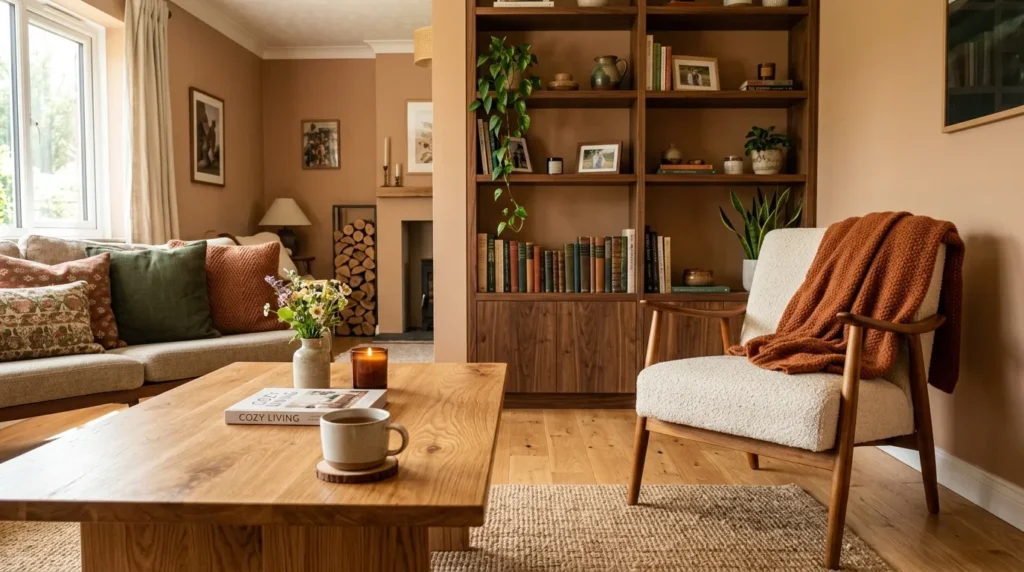
- Introduces natural textures and earthy tones
- Adds warmth and visual balance to modern spaces
- Works in furniture, shelving, or decor accents
- Complements neutral or colorful interiors
Warm wood tones immediately make interiors feel inviting and grounded. Whether through furniture pieces, shelving units, or decorative accents, wood adds a natural richness that softens otherwise cold or sterile spaces. Designers often recommend incorporating wood to break up neutral palettes and inject warmth subtly. I’ve seen living rooms with a mix of oak, walnut, or teak pieces transform from flat to layered and welcoming.
Functionally, wood elements provide durability and versatility. Wooden coffee tables, bedside tables, or shelving units add structure and usability while maintaining visual warmth. Combining lighter and darker woods creates contrast without clashing, while finishing options—matte, polished, or distressed—tailor the style to rustic, contemporary, or eclectic interiors. Overall, integrating warm wood completes a room, making it feel intentionally designed and cozy.
9. Layered Rugs
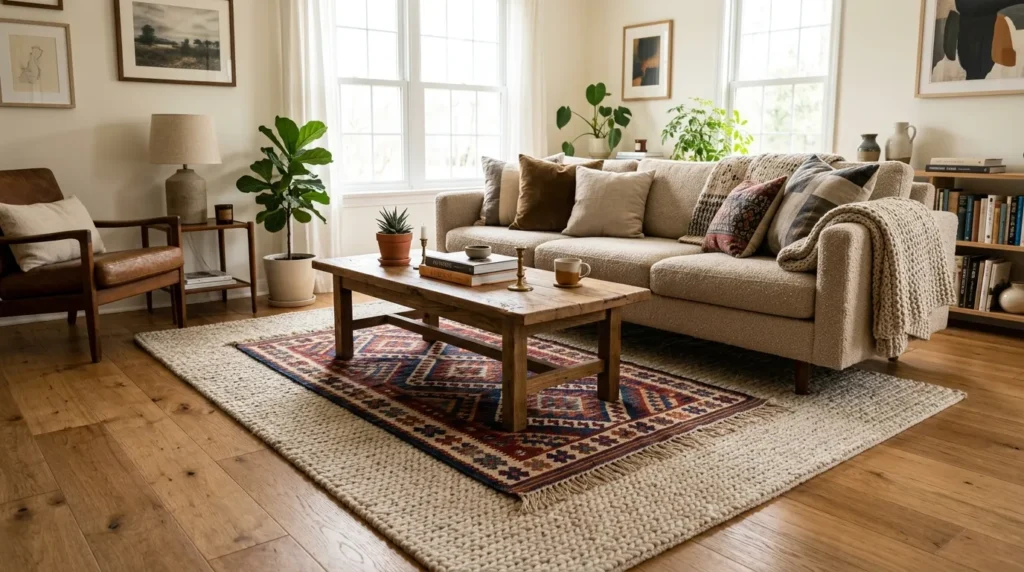
- Adds depth and texture to floors
- Creates visual separation in open spaces
- Enhances comfort and warmth underfoot
- Works with neutral or patterned combinations
Layered rugs are a practical decor approach that enhances both visual interest and comfort. By layering a smaller patterned rug atop a larger neutral base, you can define seating areas or entryways in open layouts. This technique works because it introduces dimension and pattern without overwhelming the space. I’ve noticed that layered rugs add a designer touch instantly while remaining budget-friendly and flexible for seasonal updates.
In real homes, this approach improves usability by guiding movement and anchoring furniture arrangements. For example, a layered rug under a sofa and coffee table separates the living area from a dining space. Choosing textures like jute with wool or cotton with shag adds tactile contrast, making rooms feel inviting underfoot. Additionally, layered rugs are easy to replace or swap, offering versatility while maintaining a cozy, curated atmosphere.
10. Soft Wall Art
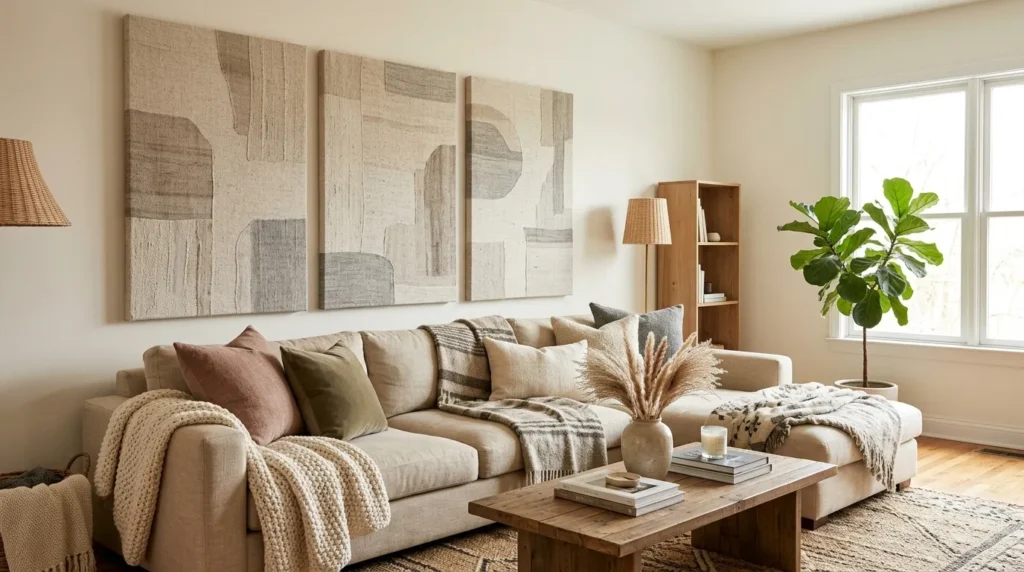
- Adds color, texture, and personality
- Breaks up plain walls without clutter
- Works with fabric, canvas, or framed prints
- Enhances focal points in any room
Soft wall art, such as fabric panels, textured canvas pieces, or framed textile prints, creates interest without dominating a room. Unlike hard or metallic artwork, soft pieces contribute warmth and dimension, complementing other cozy elements like rugs, throws, or curtains. In my experience, carefully chosen wall art transforms spaces from bare to intentional, making them feel personalized and inviting.
Visually, soft wall art enhances the usability of rooms by establishing focal points and balancing furniture arrangements. It works well over beds, sofas, or console tables, creating a sense of completion in otherwise plain walls. Layering multiple small pieces or choosing oversized statement pieces adds drama and interest while keeping the cozy, approachable vibe intact. Materials like linen, cotton, or wool blends ensure texture is palpable and inviting.
11. Ambient Mirrors
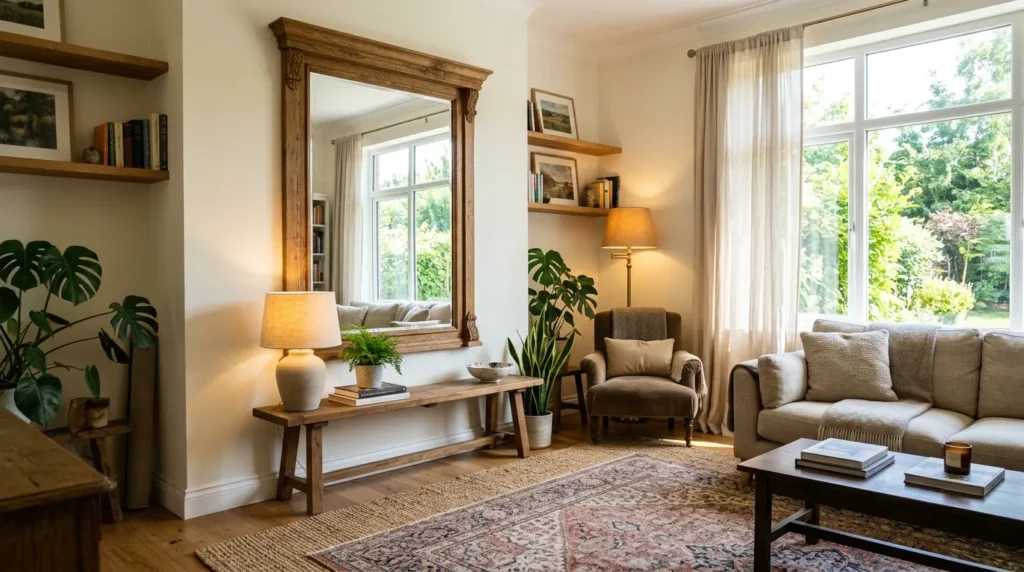
- Reflects light to enlarge spaces
- Adds decorative depth without clutter
- Works in living rooms, hallways, or bedrooms
- Complements layered lighting and furniture layout
Mirrors aren’t just functional—they amplify light and create a sense of spaciousness. Placing mirrors opposite windows or light sources enhances natural illumination, making rooms feel brighter and cozier simultaneously. I’ve seen homes with strategically positioned mirrors feel instantly larger and more open, while also highlighting beautiful furniture or decor arrangements.
Beyond size perception, mirrors introduce decorative depth. Ornate frames, wooden trims, or minimalist designs can echo the room’s style, complementing lighting, rugs, or accent furniture. In hallways, entryways, or above mantels, mirrors serve as functional art while enhancing the ambiance. Using mirrors with soft finishes or subtle bevels avoids harsh reflections, maintaining warmth and visual comfort throughout the home.