11 Cozy Decor Tips That Instantly Make Your Home Feel Warmer
Introduction
A home should feel like a sanctuary—a place where comfort, style, and personality meet effortlessly. In today’s fast-paced lifestyle, creating a space that radiates warmth and invites relaxation is more important than ever. From city apartments to suburban houses, small design adjustments can dramatically enhance a room’s ambiance. In this guide, we explore sixteen practical and visually inspiring decor ideas that make any space feel cozier. Each tip focuses on usability, aesthetics, and Pinterest-worthy appeal, giving you actionable strategies to transform your rooms into warm, inviting havens that your family and guests will love.
1. Layered Textures
Bullet Points:
- Combines fabrics like wool, cotton, and linen for depth
- Adds visual interest and tactile comfort
- Enhances couches, bedding, and seating areas
- Allows easy seasonal updates
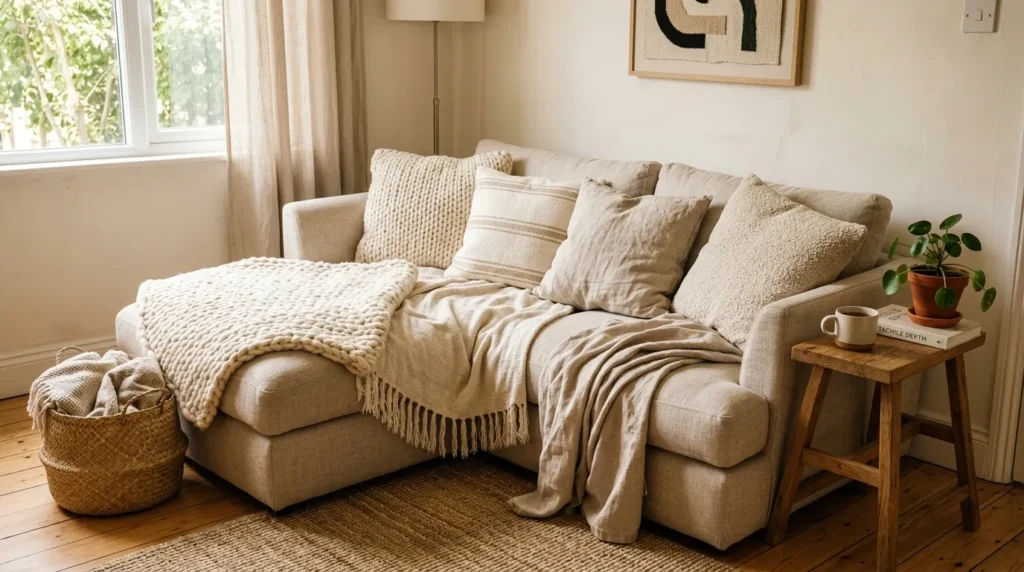
Layered textures are essential for a cozy, visually engaging room. Combining soft throws, cushions, and rugs creates a multi-dimensional look that feels inviting and lived-in. I’ve noticed this approach works especially well in living rooms and bedrooms because it softens hard furniture edges and adds warmth to neutral palettes. Mixing materials like chunky wool, smooth cotton, and linen balances tactile sensation with visual depth. Even subtle variations in texture can transform a space from flat to dynamic, making it instantly appealing while maintaining comfort and functionality across everyday use.
Practically, layering textures improves both aesthetics and comfort. Throwing a chunky knit blanket over a cotton sofa instantly invites relaxation, while patterned cushions introduce color and personality. Rugs layered on hardwood floors create softness underfoot and define functional zones, like seating areas. Seasonal adjustments are easy: swap thick, warm fabrics in winter for light linens during summer. Layered textures allow homeowners to refresh interiors without major renovations. This approach ensures every room feels curated, visually balanced, and genuinely welcoming, creating the kind of Pinterest-inspired warmth people notice immediately.
2. Ambient Lighting
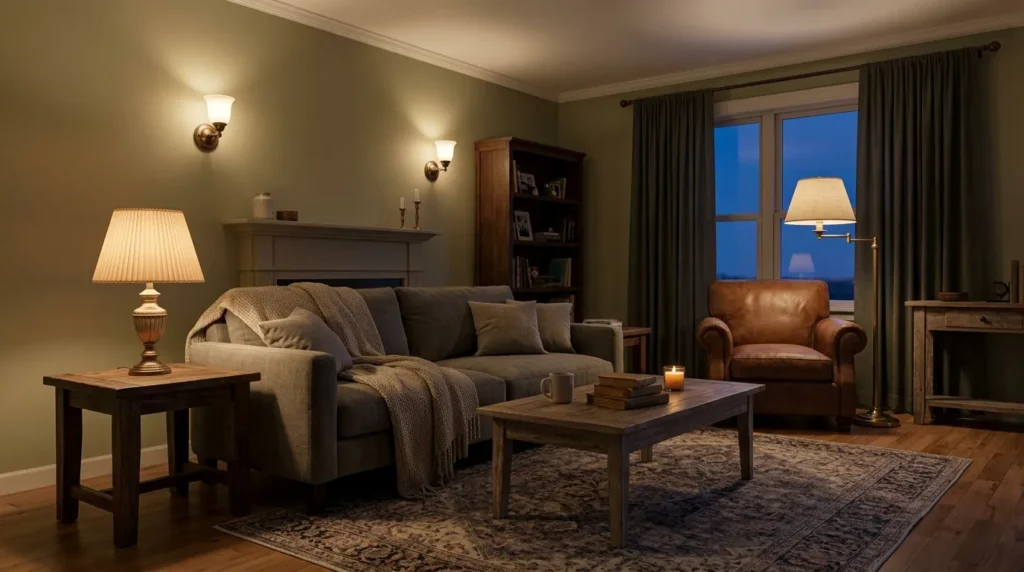
Bullet Points:
- Softens overhead lighting for comfort
- Combines table lamps, floor lamps, and sconces
- Highlights textures and key decor elements
- Adjustable or dimmable options for flexibility
Ambient lighting instantly transforms a space, adding warmth and mood. Harsh ceiling lights often make rooms feel sterile, but soft, layered lighting encourages relaxation and intimacy. I’ve seen designers recommend using multiple light sources at different heights to balance illumination. Table lamps near reading chairs, sconces along walls, or floor lamps by seating areas can create inviting nooks. Warm-toned bulbs enhance wood tones, textiles, and wall colors. Layered lighting also allows homeowners to emphasize decor focal points, like artwork or architectural details, while keeping the environment naturally comfortable and aesthetically pleasing.
Using ambient lighting improves usability and perception of space. A dimmed lamp over a reading corner encourages lingering with books or coffee, while wall sconces highlight textures without overwhelming the room. Combining soft lights at varying heights eliminates shadows, making spaces feel larger and more balanced. In kitchens or dining areas, gentle lighting enhances evening relaxation and creates intimate settings for gatherings. I’ve noticed that thoughtful placement ensures every corner feels intentional, highlighting textures, colors, and details in a way that enhances both comfort and style, blending form and function seamlessly.
3. Natural Elements
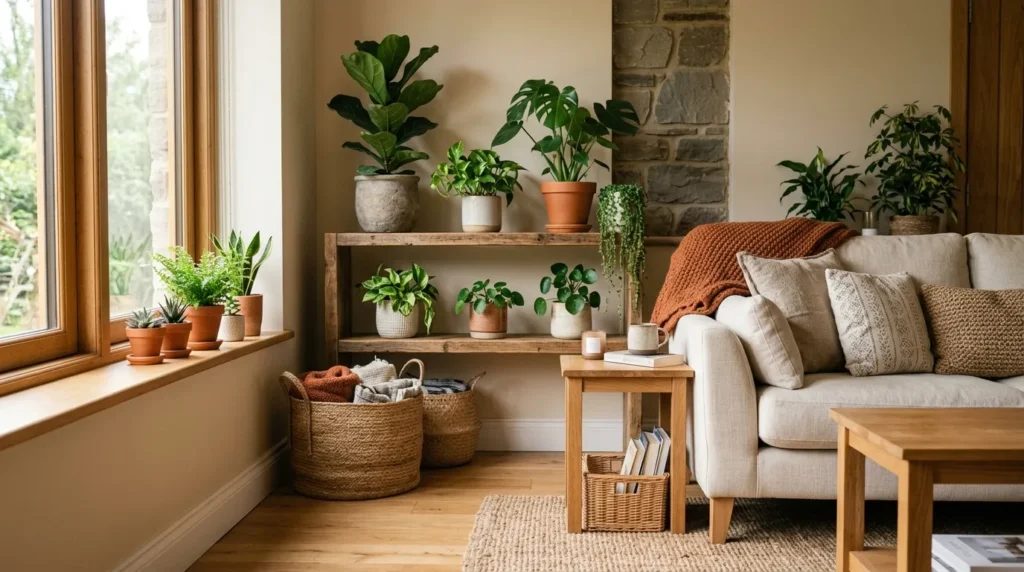
Bullet Points:
- Integrates plants, wood, stone, or wicker
- Adds organic textures and warmth
- Connects indoors with nature
- Provides visual focal points and sensory interest
Incorporating natural elements immediately softens interiors and adds life. Wooden furniture, stone accents, woven baskets, or potted plants bring texture, warmth, and character to any space. I’ve noticed homes feel more approachable when designers introduce these organic materials, creating an effortless connection between indoor comfort and the natural world. Even small touches, like a wooden tray, a stone sculpture, or a woven lamp, provide depth and tactile interest. These elements contrast beautifully with synthetic or metallic finishes, grounding the room and giving every corner a balanced, intentional aesthetic that is both practical and visually appealing.
Natural elements transform usability and perception. Indoor plants filter air and create dynamic focal points of varying heights, while wood furniture adds warmth and durability. Stone accents or wicker baskets can organize while adding texture and charm. By choosing materials with natural imperfections, each piece feels authentic and intentional. Integrating natural touches allows homeowners to create spaces that are functional, comfortable, and visually balanced. Even small areas like shelves or entryways benefit from these details. In my experience, a well-considered inclusion of nature makes a room instantly inviting, tactile, and aesthetically rich, enhancing every sense in the space.
4. Layered Rugs
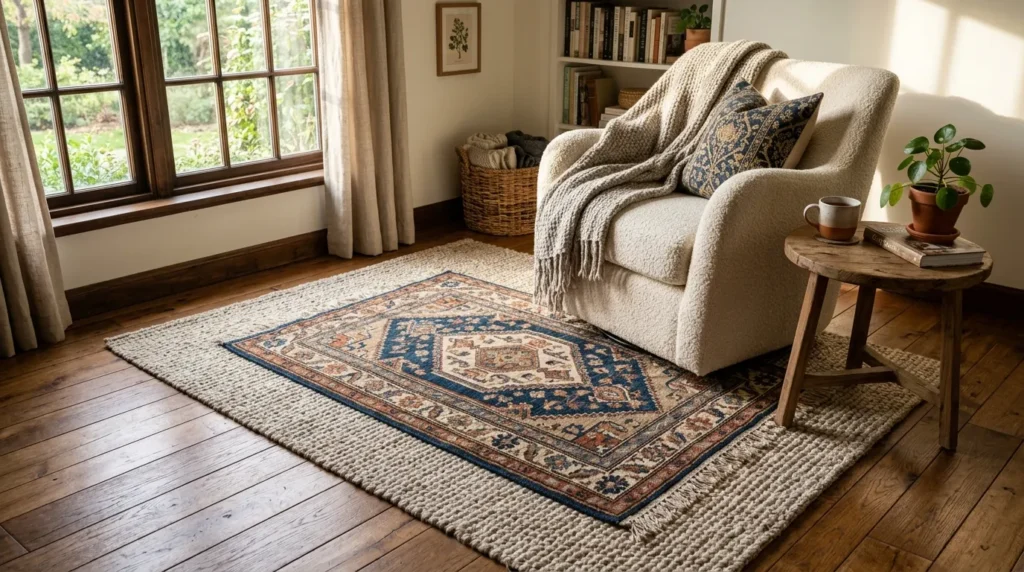
Bullet Points:
- Combines size, texture, and pattern for depth
- Defines functional areas in open spaces
- Softens flooring for comfort
- Creates visual focal points
Layered rugs add instant dimension to any room. Using different sizes, textures, and patterns enhances visual interest while delineating areas like seating or dining zones. I’ve seen this technique turn a basic living room into a Pinterest-worthy space effortlessly. A neutral base rug topped with a patterned accent rug provides texture and color contrast without overwhelming the eye. Layered rugs also improve comfort, especially on hardwood or tile floors. This simple strategy creates a sense of warmth and groundedness, making rooms feel purposeful, inviting, and thoughtfully arranged without major redesigns or costly additions.
Layering rugs also enhances usability and seasonal adaptability. Soft rugs underfoot create warmth, defining cozy nooks for reading or conversation. Small patterned rugs can add pops of color and highlight furniture arrangements, while larger base rugs unify spaces. This technique works well for open floor plans, establishing zones without walls. Seasonal swaps, like lighter fabrics in summer or plush layers in winter, are simple and effective. Layered rugs make rooms feel intentionally designed yet effortlessly cozy. In practice, they blend aesthetics, texture, and comfort, elevating spaces visually and practically while enhancing every step you take within the room.
5. Cozy Seating
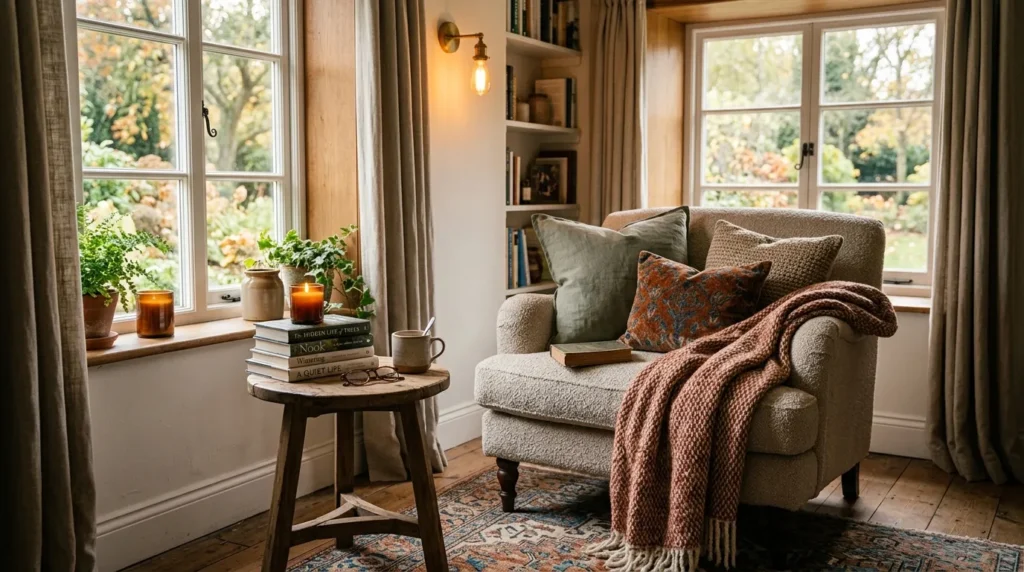
Bullet Points:
- Includes armchairs, loveseats, or window nooks
- Encourages relaxation and conversation
- Supports layering with throws and cushions
- Enhances living rooms, bedrooms, or small corners
Comfortable seating makes a space instantly inviting. Deep armchairs, cushioned loveseats, or built-in window nooks offer both functionality and warmth. I’ve noticed that varied seating arrangements allow spaces to feel intimate and approachable, breaking the monotony of uniform furniture. Adding layers of cushions and soft throws increases tactile comfort while visually softening furniture lines. Even compact spaces can benefit from small upholstered chairs or ottomans, enhancing flexibility without crowding. Properly planned seating balances ergonomic support with aesthetic appeal, ensuring rooms are functional, cozy, and visually engaging for family gatherings or quiet evenings.
Strategically placing cozy seating improves room dynamics and usability. A plush armchair by a window creates a perfect reading nook, while a loveseat with layered cushions fosters conversation. Window seats transform unused corners into functional, charming spots. The right combination of scale and texture ensures spaces accommodate different activities, from lounging to socializing. Adding throws and tactile fabrics elevates both warmth and visual appeal. In my experience, comfortable seating arrangements can redefine a room’s personality, blending style with functionality and creating interiors that feel both curated and naturally welcoming for all who enter.
6. Statement Lighting
Bullet Points:
- Serves as decorative and functional element
- Chandeliers, pendants, or oversized lamps create focus
- Enhances ceiling height perception
- Highlights textures and furnishings
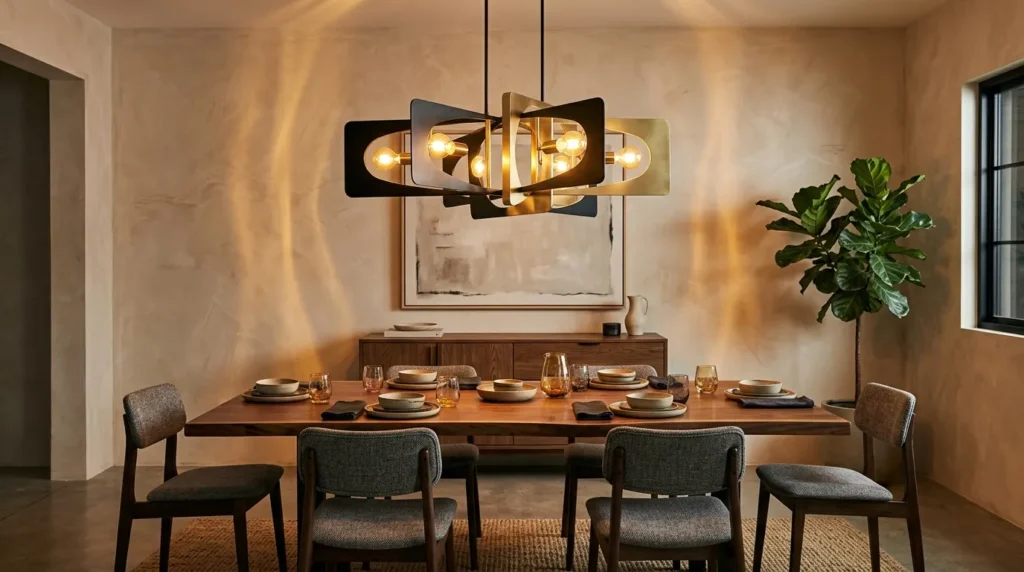
Statement lighting blends artistry with utility, transforming a room immediately. Bold chandeliers, oversized pendants, or sculptural floor lamps draw attention while anchoring the space visually. I’ve seen rooms feel more curated and Pinterest-worthy simply by adding one dramatic light fixture. Beyond aesthetics, statement lighting highlights surrounding textures like wood, stone, or textiles, enriching the overall ambiance. When layered with ambient and task lighting, it provides practical illumination while reinforcing style. Thoughtful placement ensures balance, allowing fixtures to shine as focal points without overwhelming the room’s natural harmony.
Statement lighting changes both perception and usability. A chandelier over a dining table creates a central visual anchor, while staggered pendant lamps energize kitchens or entryways. Light reflections highlight textures and surfaces, enhancing depth. This technique also influences spatial perception, making lower ceilings appear taller or compact rooms feel expansive. Statement fixtures introduce sculptural appeal without clutter, combining art and function. When integrated with other lighting layers, the room achieves balance, warmth, and visual interest. In my experience, carefully chosen statement lights elevate the space, creating an inviting, stylish environment while improving lighting efficiency and design coherence.
7. Warm Color Schemes
Bullet Points:
- Uses earthy tones like beige, taupe, terracotta, and olive
- Enhances natural light and comfort
- Ensures visual continuity across rooms
- Complements textures, furniture, and accessories
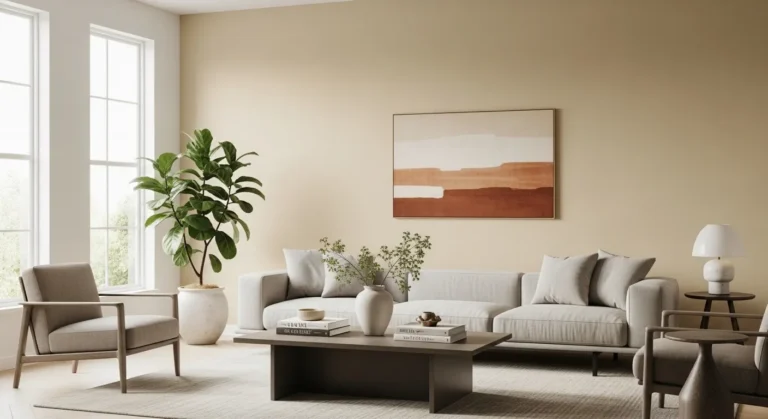
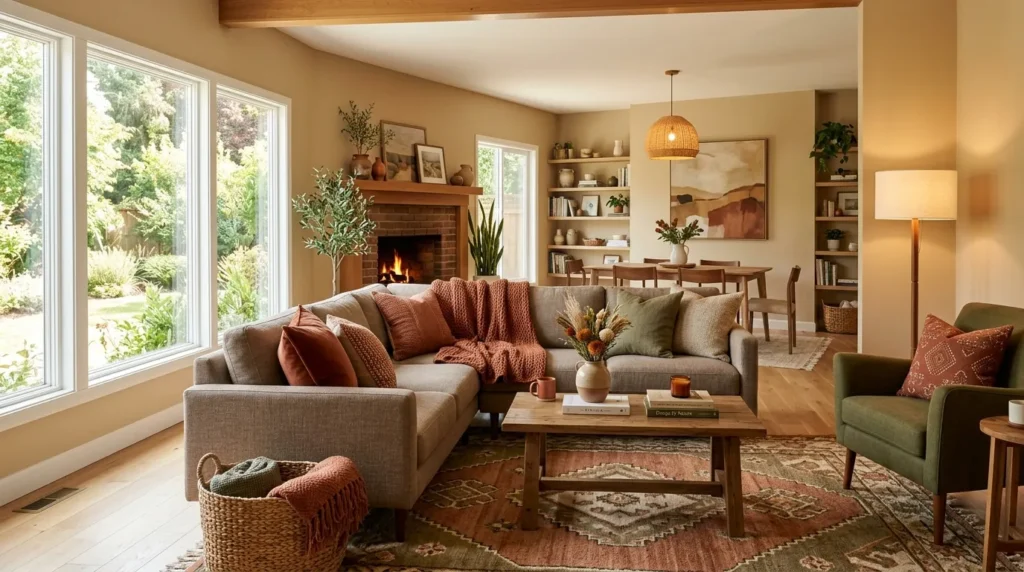
Warm colors immediately create a comforting and inviting atmosphere. Earthy shades like beige, taupe, terracotta, and olive connect spaces to natural tones and textures. I’ve noticed that cohesive palettes make homes feel intentional and visually harmonious, particularly when paired with wood, stone, or woven materials. Even subtle accent colors in cushions, throws, or artwork can introduce warmth without overpowering a room. These tones work across various styles, from contemporary to rustic, creating balance and consistency. A well-chosen palette sets a welcoming foundation for layered textures, furniture arrangements, and decorative accents.
Applying a warm color scheme transforms both mood and usability. Neutral walls with earthy accents harmonize furniture and decor, creating a seamless flow throughout a home. Terracotta or rust-colored pillows, taupe throws, and olive-green accents provide subtle contrast while enhancing warmth. The palette also interacts beautifully with lighting, reflecting soft, cozy tones in the evening. Layered across textiles, walls, and accessories, warm colors make spaces feel curated, comfortable, and visually inviting. In my experience, these hues provide versatility, allowing homeowners to refresh or re-style rooms seasonally without disrupting the overall ambiance.