Discover 11 Modern Apartment Ideas for a Stylish and Functional Space
A stylish apartment should never feel like a compromise between beauty and everyday comfort. Whether you rent a compact studio in Chicago, live in a high-rise in Dallas, or decorate a cozy one-bedroom in Brooklyn, the right design choices can make your space feel bigger, calmer, and more personal. The best apartment ideas work with real life: limited square footage, shared walls, storage needs, pet-friendly choices, and budgets that do not allow a full renovation. This guide gives you practical inspiration you can actually use, without forcing your home to feel staged.
Inside these Modern Apartment Ideas, you will find room-friendly upgrades that improve both style and function without making your home feel overdecorated. Think smarter layouts, flexible furniture, layered textures, better lighting, and rental-friendly details that create a polished look. Each idea focuses on how the space feels, how it photographs, and how it supports daily routines. You can use one concept for a weekend refresh or combine several for a complete apartment transformation that feels intentional, modern, easy to maintain, and genuinely comfortable for everyday American living, even in smaller rentals.
1. Open Flow

- Improves movement by creating clear walking paths between the sofa, kitchen, entryway, and windows, which helps small apartments feel less crowded.
- Makes a studio or open-plan rental feel more organized by giving each area a natural purpose without adding heavy dividers.
- Works well with rugs, slim consoles, open-leg furniture, and repeated finishes that connect different zones visually.
- Adds a polished designer feel because the layout looks planned, balanced, and easy to use during daily routines.
Open flow is the secret behind apartments that feel larger than their floor plan. Instead of pushing every piece of furniture against the walls, create clear walking paths and visual breathing room between zones. A sofa can float slightly away from the wall, a rug can define the living area, and a slim console can separate the entry from the lounge. This approach works especially well in studios and open-plan rentals because it gives each activity a natural place without adding bulky partitions, permanent construction, or awkward visual breaks today.
The transformation comes from making the eye travel smoothly from one area to another. Use matching wood tones, repeated metal finishes, or a consistent neutral palette so the living room, kitchen, and entry feel connected. In my experience, apartments look more expensive when the layout feels intentional, not crowded. Keep high-traffic areas open, choose furniture with visible legs, and avoid blocking windows. The result is a home that feels airy, practical, and ready for hosting, working, relaxing, and everyday movement in a busy American lifestyle, especially after long weekdays too.
2. Smart Furniture

- Adds hidden storage through ottomans, benches, lift-top tables, and bed frames, making it easier to control clutter without extra cabinets.
- Helps one room serve several purposes, especially when the apartment must support work, dining, relaxing, and guest sleeping.
- Saves money because fewer pieces can do more jobs while still keeping the space visually clean and stylish.
- Works best with durable materials like performance fabric, powder-coated metal, compact wood frames, and easy-clean upholstery.
Smart furniture turns tight square footage into a space that adapts throughout the day. Look for pieces that do more than one job, such as a storage ottoman, sleeper sofa, lift-top coffee table, nesting tables, or a bench with hidden compartments. These pieces are especially useful in apartments where one room may need to support lounging, remote work, dining, and overnight guests. The goal is not to fill the room with gadgets, but to choose attractive furniture that quietly solves everyday problems while keeping surfaces calm after work at home.
A multifunctional setup can make a small home feel organized instead of improvised. Try a dining table that doubles as a desk, a wall-mounted drop leaf table for breakfast, or a modular sofa that can shift for movie nights. That’s why many designers recommend measuring your room before buying anything, including doorways and elevator access. Materials like performance fabric, powder-coated metal, walnut veneer, and easy-clean upholstery keep the look polished while standing up to real apartment life, from takeout nights to weekend guests and quick resets every Sunday at home.
3. Warm Neutrals

- Creates a calm base that feels bright, soft, and timeless without looking cold or unfinished.
- Makes budget furniture feel more cohesive because similar tones visually connect different pieces from different stores.
- Works beautifully with natural textures such as linen, jute, cane, pale wood, stoneware, wool, and boucle.
- Allows easy seasonal updates with small accents like terracotta pillows, olive throws, black frames, or brass lamps.
Warm neutrals create a modern base that feels calm without looking plain. Instead of using only stark white or cool gray, mix ivory, oatmeal, taupe, mushroom, sand, cream, and soft beige. These shades bounce light around the apartment and make inexpensive pieces feel more cohesive. The trick is variation: combine a boucle chair, linen curtains, a jute rug, ceramic vases, and pale wood furniture so the room has depth. This palette works beautifully in rentals because it feels elevated, forgiving, and easy to update with minimal cost over time beautifully.
The result is a space that photographs softly and feels restful in person. Warm neutrals also make seasonal styling easier because you can add olive green, terracotta, black accents, or brushed brass without redesigning the whole room. I’ve noticed this approach works especially well in apartments with limited natural light, where bright whites can feel flat. Use washable slipcovers, textured pillows, woven baskets, and matte finishes to keep the palette practical. Your home will feel relaxed, grown-up, and flexible enough to evolve through every season without major spending or stress.
4. Statement Lighting

- Adds instant character to basic rentals, especially when ceiling fixtures feel outdated or cannot be replaced.
- Creates different moods for work, dinner, reading, movie nights, and relaxing without moving furniture around.
- Works with plug-in wall sconces, sculptural floor lamps, oversized paper lanterns, shaded table lamps, and dimmable bulbs.
- Makes the apartment feel warmer at night because layered light softens corners, furniture edges, and plain walls.
Statement lighting instantly changes an apartment because it adds architecture without renovation. A sculptural floor lamp, oversized paper lantern, plug-in wall sconce, or shaded table lamp can make a basic rental feel custom. Choose lighting that looks beautiful even when it is turned off, then layer it so the room has options for reading, dining, hosting, and relaxing. In apartments with ceiling fixtures you cannot replace, plug-in lamps become your design power move, especially when outlets are placed thoughtfully near furniture beside sofas, beds, or small dining nooks beautifully today.
Good lighting makes colors richer, corners softer, and evenings more inviting. Use warm bulbs, dimmable smart plugs, woven shades, glass globes, or brushed metal bases to create mood without harsh glare. Place one light near seating, one near a work surface, and one lower accent light near shelving or a console. This layered approach helps a room feel designed instead of merely furnished. It also improves usability, because your apartment can shift from bright weekday productivity to cozy Friday-night comfort in seconds for guests too without changing the furniture layout.
5. Vertical Storage

- Uses wall height instead of floor space, which is especially helpful in narrow rooms, small closets, and compact entryways.
- Keeps everyday items accessible through shelves, hooks, peg rails, over-door organizers, and wall-mounted cabinets.
- Adds visual structure when styled with a balance of baskets, books, framed art, plants, and decorative containers.
- Helps reduce surface clutter so tables, counters, and floors stay clearer during busy weeks.
Vertical storage helps an apartment gain function without stealing valuable floor space. When closets are small and rooms are narrow, the walls become your best organizing tool. Use floating shelves, tall bookcases, over-the-door racks, slim entry hooks, peg rails, and wall-mounted cabinets to lift storage upward. The look stays modern when you leave breathing room around each piece and avoid packing every shelf completely. Mix practical items with decorative objects so the storage feels styled rather than purely utilitarian and visually balanced from every visible angle in daily life too.
This idea works because it turns empty wall space into a visual feature. A tall shelving unit can frame a desk, a floating ledge can hold art and books, and a peg rail can organize bags near the entry. I’ve seen this work well in many homes where floor clutter made the apartment feel smaller than it really was. Stick to matching baskets, labeled bins, and consistent hardware finishes. You will gain organization while keeping the room open, clean, and easier to maintain throughout the week even during busy mornings.
6. Layered Textures

- Adds warmth without overcrowding the room, making a clean apartment feel cozy, tactile, and lived-in.
- Works with rugs, curtains, cushions, throws, baskets, ceramics, wood, cane, ribbed glass, and soft upholstery.
- Makes neutral color schemes look richer because texture creates depth even when the palette stays simple.
- Helps budget decor feel more thoughtful by giving the eye different surfaces to notice and enjoy.
Layered textures make a streamlined apartment feel warm, touchable, and finished. Smooth walls, flat cabinets, and simple furniture can look cold if everything has the same surface. Add softness with a wool rug, cotton throw, velvet pillow, linen curtain, ribbed glass vase, cane chair, or chunky knit blanket. The key is contrast, not clutter. When textures vary but colors stay connected, the room gains depth while still feeling calm, modern, and easy to live in after long workdays when you want comfort without adding visual weight to the room naturally.
This technique changes the mood of a room without requiring more furniture. A neutral sofa becomes inviting with boucle cushions, a jute rug grounds a small living area, and linen drapes soften hard window frames. In my experience, texture is what makes budget decor look intentional because it creates richness the eye can feel. Use washable fabrics where spills happen, tighter weaves near pets, and darker textures in high-touch areas. The space will feel comfortable, stylish, and more layered in every season of daily life without feeling overfilled or messy.
7. Compact Dining

- Creates a real eating zone even when the apartment does not have a separate dining room or breakfast nook.
- Works with round bistro tables, pedestal tables, wall-mounted counters, narrow consoles, benches, and stackable stools.
- Improves daily routines by separating meals from the sofa, desk, and bed, making the home feel more balanced.
- Looks polished with a small rug, plug-in pendant, simple centerpiece, washable chair cushions, or framed wall art.
Compact dining can make even the smallest apartment feel more complete. You do not need a formal dining room to create a place for meals, coffee, work breaks, or casual hosting. A round bistro table, wall-mounted counter, narrow console table, or two-person pedestal table can fit beautifully near a window or kitchen edge. Choose chairs that tuck in fully, benches that slide under, or stools with slim frames. This keeps the area useful without blocking the main path through your home especially when space is limited every single day comfortably.
A defined dining spot adds rhythm to apartment living because it separates meals from the sofa and laptop. Use a pendant-style plug-in light, washable rug, framed art, or small centerpiece to make the zone feel intentional. Materials like marble-look laminate, oak veneer, metal legs, and performance seat cushions balance style with durability. That’s why many designers recommend round tables for tight spaces: they soften corners and improve movement. The result feels polished, practical, and surprisingly welcoming for everyday meals or weekend brunch with friends in a small apartment every week.
8. Bedroom Zoning

- Makes a studio, loft, or small bedroom feel calmer by visually protecting the sleeping area.
- Uses rugs, curtains, screens, headboards, lighting, bookcases, and matching nightstands to define the bed zone.
- Helps reduce mental clutter when the bedroom also includes a desk, dresser, storage baskets, or workout corner.
- Improves rest by making the sleep area feel intentional, softer, and separate from daytime tasks.
Bedroom zoning helps an apartment feel restful even when the bedroom shares space with work, storage, or exercise. The goal is to create a visual boundary around sleep, not necessarily build a wall. Use a large rug under the bed, matching nightstands, a headboard, curtain panels, a folding screen, or a tall bookcase to signal where the sleeping area begins. This works especially well in studios, lofts, and one-bedroom apartments where every corner needs a clear purpose and calmer evening routine for better daily living in practice every night peacefully.
A well-zoned bedroom changes how the whole apartment functions after dark. When the sleep area feels protected, the home becomes easier to unwind in, even if your desk sits nearby. Keep office supplies in closed storage, use warm bedside lamps, and choose bedding that feels hotel-clean but personal. I’ve noticed that matching lamps and symmetrical pillows instantly make a rental bedroom feel calmer. Add blackout curtains, breathable cotton sheets, and a low-profile dresser to improve comfort, privacy, and everyday organization without crowding the room or blocking natural light at all.
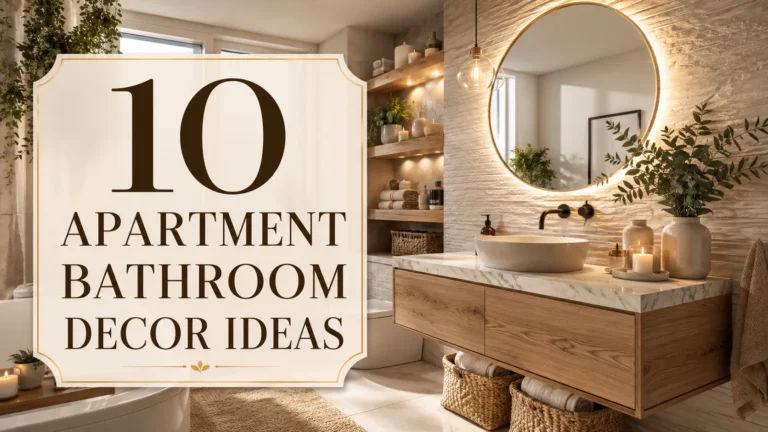
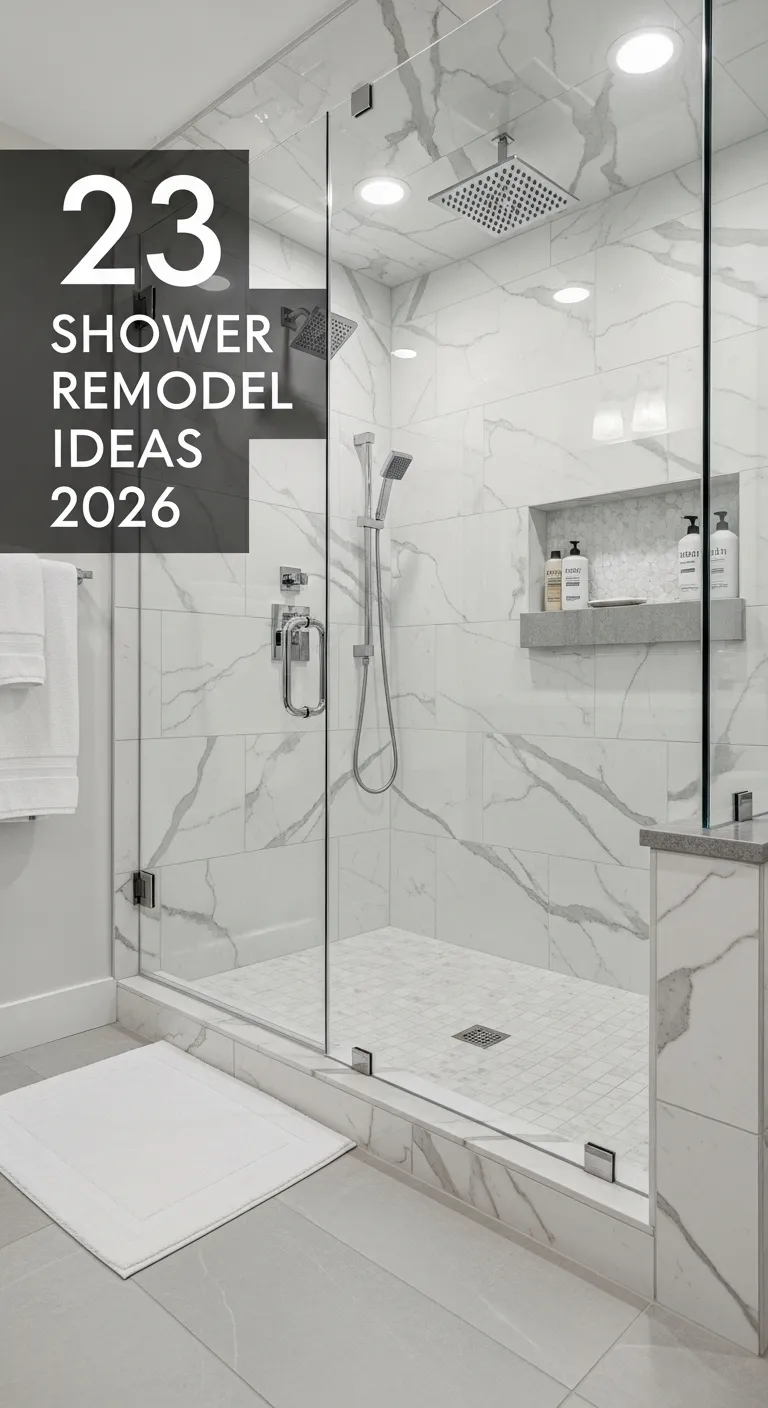
9. Bathroom Refresh

- Gives a rental bathroom a cleaner, more elevated look without changing tile, plumbing, or permanent fixtures.
- Works with matching towels, refillable dispensers, adhesive shelves, shower curtains, soft bath mats, and under-sink bins.
- Makes small bathrooms feel bigger by reducing visual clutter and keeping the color palette tight.
- Adds a spa-like feeling through moisture-safe materials such as teak, ceramic, acrylic, cotton, and stainless steel.
A bathroom refresh can make a rental apartment feel cleaner, brighter, and more spa-like without remodeling. Start with what you can change easily: shower curtain, bath mat, towels, mirror, soap dispenser, peel-and-stick hooks, and under-sink storage. Choose a tight color palette, such as white, stone, sage, warm gray, or matte black accents. Small bathrooms respond quickly to visual order, so matching containers and hidden storage matter more than expensive finishes or complicated weekend projects. Add a framed print, soft lighting, and a covered trash bin for a finished look fast.
The biggest upgrade is making every item feel intentional. Replace mismatched bottles with refillable dispensers, use a washable runner, add eucalyptus or faux greenery, and install renter-friendly adhesive shelves inside the shower. In my experience, bathrooms look more luxurious when surfaces stay clear and towels match. Use moisture-safe materials like teak, acrylic, ceramic, stainless steel, and cotton terry cloth. Your daily routine will feel smoother, and the room will look fresher for guests without requiring tile work, plumbing, or permanent changes at all in your rental home this year easily.
10. Balcony Corner

- Turns unused outdoor space into a relaxing mini room for coffee, reading, plants, or quiet evening breaks.
- Works with folding chairs, compact side tables, outdoor rugs, solar lights, railing planters, and privacy screens.
- Adds greenery and softness to urban apartments, especially in warm-weather cities or high-rise buildings.
- Uses weather-friendly materials like resin wicker, teak, washable cushions, powder-coated metal, and lightweight planters.
A balcony corner can become the most charming part of an apartment when it is treated like a tiny outdoor room. Even a narrow balcony can hold a folding chair, compact side table, outdoor rug, lantern, and a few weather-safe planters. The key is choosing pieces that handle sun, wind, and changing temperatures. Look for powder-coated metal, resin wicker, teak, washable cushions, and lightweight pots that are easy to move when weather shifts or guests arrive without needing a large budget, contractor, or permanent outdoor installation for renters everywhere today.
This small upgrade gives your home an extra place to breathe. Morning coffee, evening reading, and quiet phone calls feel better when the balcony has comfort and privacy. Use bamboo screening, railing planters, string lights, or solar lanterns to soften the view without overwhelming the space. That’s why many renters focus on balcony styling first during spring and summer. It creates a vacation-like mood at home, adds greenery to the apartment, and makes limited square footage feel more generous every day during warm weekends, slow mornings, and relaxed evenings too.
11. Personal Gallery

- Adds personality to plain apartment walls without requiring paint, wallpaper, or permanent installation.
- Works best above a sofa, bed, console, dining nook, or hallway where the arrangement can become a focal point.
- Looks more cohesive when frames repeat in black, oak, white, brass, or another consistent finish.
- Combines personal photos, travel prints, sketches, small mirrors, textile art, and meaningful pieces in a balanced layout.
A personal gallery wall gives a modern apartment character without making it feel cluttered. Instead of filling every wall, choose one focused area above a sofa, bed, console, or dining nook. Mix framed prints, personal photos, textile art, sketches, and small mirrors in a controlled palette. Black, oak, white, or brass frames keep the display cohesive. Use removable picture strips in rentals, and lay everything on the floor first so the spacing feels balanced before anything goes up. Add one oversized piece to anchor the layout and prevent a scattered look.
The best gallery walls feel collected, not random. Choose art that connects to your lifestyle, favorite places, family memories, or colors already in the room. I’ve seen this work well in many homes because it turns plain apartment walls into a conversation feature. Keep larger pieces near the center, repeat one frame color, and leave enough negative space around the arrangement. Your home will feel more personal, finished, and memorable while still looking clean enough for a modern interior. Add a picture light, slim shelf, or nearby plant for extra dimension.